


Buying diamonds today is about much more than the carat number on a certificate. Walk into any store and you’re confronted with a long list of options: round, oval, pear, marquise and a few names you may never have heard before. Lab grown diamond shapes & cuts can be confusing at first, but once you know a few simple ideas, choosing becomes a lot easier.
Not sure where to start? The shape is the outline you see, and the cut is what makes the stone sparkle. Lab grown diamonds are also identical to mined ones in appearance, hardness and fire so you can have any shape you've ever admired.
In this guide to lab grown diamond shapes & cuts, we’ll go over every classic shape, the new and unusual cuts people are talking about these days, and how to match a shape to your finger and your daily routine. We have added notes from the Indian market as well, because a stone has to endure scooter rides, kitchen heat and long office days.
Table of Contents
- Diamond Shape vs Diamond Cut: The Difference Most Buyers Mix Up
- Lab Grown Diamonds vs Natural Diamonds: Same Sparkle, Same Cuts
- Diamond Shape Names and What Each One Looks Like
- Trending Diamond Shapes Everyone Is Asking About Right Now
- New and Unusual Cuts Worth Knowing
- Shapes That Make a Diamond Look Larger
- Matching Shape to Rings, Earrings and Pendants
- How Indian Buyers Actually Choose a Diamond Shapes and Cuts
- The Cut Grade Checklist Before You Buy
- Quick Decision Guide: Match Shape to Your Priority
- Choosing Your Diamond at Heer by GIVA
- Frequently Asked Questions
Diamond Shape vs Diamond Cut: The Difference Most Buyers Mix Up
First of all, something to remember: shape and cut are not the same although a lot of people use the words as if they are. This is the first step to understanding lab grown diamond shapes & cuts without getting overwhelmed.
The shape of a diamond is its outline, such as round, oval or pear. Cut is a measure of how well the angles and proportions of the facets of a diamond reflect light back to your eye. Cut is graded from Excellent to Poor. The shape is a style choice . The cut is how much the stone sparkles .
The words “shape” and “cut” mean different things.
Shape is a matter of taste. A cut is all about quality: the way the facets sit, the depth of the stone and the quality of the polish. A poorly cut stone may look dull, even with excellent colour and clarity. A well cut stone looks lively. That’s why many jewellers rate Cut as the most important of the 4Cs for sparkle.
Cutting styles
Most diamond cuts follow one of three styles. Brilliant cuts use triangular and kite-shaped facets to maximise sparkle, as in round, oval, pear and cushion. Step cuts use long, rectangular facets for a “hall of mirrors” effect, as in emerald and Asscher. Mixed cuts blend both, as in radiant.
Therefore, two diamonds of the same shape can look completely different if their cut quality differs. It is a little detail that makes a big difference, and it comes back in our checklist later.
Read more: 4 C's of a Diamond: How They Shape Solitaire's Beauty
Lab Grown Diamonds vs Natural Diamonds: Same Sparkle, Same Cuts
Here is what to know if you are a person who likes the idea of a diamond. These stones are lab grown using methods called CVD or HPHT and are made of the same carbon, with the same crystal structure and hardness as mined diamonds. The cutters have the same tools and facet plans, so any shape that appears in a mined stone can be cut here too.
Also reputable labs like BIS, IGI and GIA grade them on the same 4Cs and the report clearly states that the stone is lab grown. And the beauty of this is that in the case of lab grown diamonds vs natural diamonds the real differences are origin and price, not appearance. It is important to point out that natural diamonds have their own value and charm, so this is just about having more choice. And that is how a lab created diamond can often get you a bigger or better quality stone for the same budget.
|
Feature |
Lab grown |
Natural |
|
Origin |
Grown in a lab |
Formed in the earth |
|
Look |
Identical to the eye |
Identical to the eye |
|
Price |
Generally lower for the same size and quality |
Generally higher |
|
Shapes and cuts |
Every shape available |
Every shape available |
What’s more, everything you learn about lab grown diamond shapes & cuts here applies equally to natural stones.
Diamond Shape Names and What Each One Looks Like
Knowing the names of diamond shapes will make shopping a lot easier as you’ll finally be able to describe what you like within lab grown diamond shapes & cuts.
Quick answer: Round, oval, princess, cushion, emerald and pear are the most popular shapes at the moment. The classic sparkler is round, the rising star is oval and emerald and the cushion suits a softer, vintage mood.
Brilliant Cut
There is something lovely about the way light hits a round. It gives the most sparkle with 58 facets. Crafted for days when you want to keep it simple, it’s a perfect option for timeless style.
Ellipse
An elongated brilliant that makes the fingers look longer and slimmer. It has more face-up size per carat than a round. Perfect for those who want to keep it effortless.
Princess
Sleek, modern look with sharp corners and brilliant faceting. Request protective prongs as the corners can chip.
Pillow
A soft square with rounded corners. Like a pillow. It has a lovely warm vintage feel and no sharp points so is a lovely choice for everyday wear. A piece you will find yourself wearing again and again.
Emerald
A rectangular step cut with long, mirror-like sides. Elegant and understated but shows clarity easily so choose a clean stone. One of those designs that never looks out of place.
Asscher
The square cousin of the emerald, with clipped corners, and deep step facets. It has an art deco charm.
Pear
A teardrop, round one end, pointed to the other. Great for rings, pendants and earrings and easy to wear up or down. Prong to protect the end.
Marquis
A boat shape with two pointed ends. It looks the biggest for its carat weight and has a vintage glam vibe. Both tips require protection.
Radiant
A square or rectangle with cut corners and brilliant facets. “You get the clean outline of an emerald with the sparkle of something closer to a round. It wears well everyday.
Heart
Romantic and bold but needs some size to show the shape. The point needs a prong. Is it like comparing it to a triangle? See our blog on [Heart Cut vs Trillion Cut].
Trillion
Bold modern looking triangle. Used as a center stone or as side stones. Corners must be protected.
Baguette
Step cut rectangle, slender, used generally as accent stones in bands. The perfect amount of sparkle without stealing the show.
Read more: Radiant Cut Diamond Rings: 2026’s Hottest Trend
Whichever you pick, these diamond shapes all come in a range of cut qualities, which is why the cut grade matters as much as the outline. The good news is that every one of them is available across lab grown diamond shapes & cuts, so the real question is only which one suits you.
Trending Diamond Shapes Everyone Is Asking About Right Now

Highlighting the stunning beauty of a hexagon-cut diamond set
Moving on to what is new. Now, here’s where things get interesting. These days the excitement is not so much about a brand-new shape, but more about how classic shapes are set. Here are the shapes of lab grown diamonds that are getting the most attention.
East-west settings: Oval, emerald or pear, set sideways across the finger. Looks modern. Makes the stone look wider. It can be worn with a thin plain band too.
Long cushion: oval softness of a pillow. It’s one of those pieces that fits almost any hand and a piece you’ll keep going for.
Hexagon: A six sided shape, usually step cut. A little surprising and a nice way to add personality to your outfit. Geometric.
Toi et moi: French for "you and me," two stones set side-by-side, usually a pear and a marquise. Something you'll be pleased to give and happier to wear.
Bezel and low-profile settings: A thin rim of gold protects the edges and holds the stone close to the finger.
Any of these will give your look a fresh touch and you’ll see why lab grown diamond shapes & cuts are getting more creative.
Read more: Asscher vs Radiant- What is the Major Difference You Must Know
New and Unusual Cuts Worth Knowing

For your everyday wear ring
Moving on to what is new. Now, here’s where things get interesting
Another style worth exploring is the less common end of the shelf. These are the diamond cuts you might not be familiar with yet and they’re where a ring can feel really personal.
Kite cut: four sides, two long and two short. Graphic, angular and it stretches the stone look.
Shield cut: An outline in the shape of a shield, often in step or mixed facets. It can say something and not be loud
Rose cut: Know what’s special about it? Flat base and dome top with triangular facets. It glows softly, rather than sparkling hard, so it feels candlelit and vintage.
Old mine and old European cut Antique styles with a high crown, a small table, and chunky facets that flash rather than sparkle.
Bullet and trapezium: Stones set in tapered steps next to a center diamond for shape without crowding.
Radiant crushed ice: A radiant that has many little facets for a glittery, shimmer look.
Not all odd shapes are always on the shelf. Many are made to order, so ask early about timelines. This is the most fun side to explore for lab grown diamond shapes & cuts as well because you can pick something that no one around you is wearing.
Read more: Emerald vs. Pear Shape Diamond Rings: Which One Is Right for You?
Shapes That Make a Diamond Look Larger
Carat is a measure of weight, not size. A round or princess has most of its weight in depth, beneath the surface. Longer shapes will spread more of that weight across the top, making them appear larger face up. That’s a huge reason for people to check out lab grown diamond shapes & cuts beyond the classic round.
Marquise, oval and pear shapes tend to look the largest for their weight because of the length, which elongates the surface area. Emerald and radiant also seem generous, while round and princess have more depth, so they seem slightly smaller.
Plus the setting. East-west placed, an oval or pear appears even wider.
One thing to watch is the bow-tie, a darker shadow across the center of an oval, pear or marquise shape. A pale one is normal, but a strong one is distracting. All of these diamond shapes can show it. Along with that, ask for a video before you decide.
Read more: Stunning Lab Grown Diamond Engagement Ring Designs for Women
Matching Shape to Rings, Earrings and Pendants

Soft edges, timeless brilliance a pillow-cut diamond pendant
The same shape can look different in lab-grown diamond jewellery depending on what it’s set in.
Lab Grown Diamond Rings
Rings get the most hits. Oval, round, cushion and radiant are the safest shapes for everyday wear. Princess, marquise, pear and trillion look good but need V-prongs or a bezel. Oval, round and cushion win the engagement while emerald flatters a sleek, understated look. A plain round solitaire is a timeless accessory that is perfect for any occasion for a more simple touch.
Lab Grown Diamond Earrings
Then earrings: the two stones should be a close match, so ask to see them side by side. Round and princess studs look just as pretty with everyday clothes, while pear and marquise drops add movement to complement your outfit and enhance your look.
Lab Grown Diamond Necklace Options
A solitaire hangs just below the collarbone so almost any shape will do. A pear or oval lab grown diamond pendant gives a gentle drop, and a round is easy to layer. It’s one of those pieces that looks beautiful with your outfit, regardless of neckline.
The right match is what makes lab grown diamond shapes & cuts feel personal and not just technical.
How Indian Buyers Actually Choose a Diamond Shapes and Cuts
Here’s a little styling secret: the best shape is the one that works for your life, not your mood board.
Everyday wear. Heat, scooter rides, kitchen work and clinking bangles all test a ring. Round, oval and cushion shapes are fine with softer edges, but pointed shapes need protective settings.
The woman who buys herself. Many women nowadays pick their first diamond for themselves, to celebrate a promotion or a milestone. A small solitaire pendant or stud is a lovely choice for a first piece of lab grown diamond jewellery.
Family’s view. Parents might choose a classic round, and a cushion or oval can be a middle path, feeling traditional but looking fresh.
Budget. An elongated shape can make a smaller carat look bigger, without stretching the budget, which is why many people choose lab grown diamond rings this way.
Events. A lab grown diamond in a shape you love, works great for virtually any occasion.
Don’t follow trends, think about which diamond shapes you can wear time and time again. In India, selecting lab grown diamond shapes & cuts is as much about lifestyle as it is about look.
Read more: Timeless Gold Jewellery Picks Your Mom Will Cherish Forever
The Cut Grade Checklist Before You Buy

Do not miss to check the diamond before buying
Most buyers stop at the shape names and carats. A little knowledge helps here. Many people judge a diamond cut by sparkle alone, but a few checks will help you choose with confidence.
Cut grade: This is mainly standardised for round stones and you should aim for Excellent.
For other shapes read the polish and symmetry on the report and believe your eyes.
Ratio and proportion: The elegance of a long shape is a function of the ratio of length to width.
Certificate: Select a report from a trusted lab like IGI, GIA, and verify the report number against the stone.
Try it on First, see the shape on your hand. Size on a finger can feel very different than size on a screen.
The table shows the ratios that are most commonly preferred, but the final choice is based on personal taste. Different diamond cuts have different sweet spots.
Read more: First Salary Gold Jewellery Guide | Smart Investment Ideas
|
Shape |
Commonly preferred length-to-width ratio |
|
Oval |
1.30 to 1.50 |
|
Emerald |
1.30 to 1.50 |
|
Pear |
1.50 to 1.75 |
|
Marquise |
1.75 to 2.15 |
|
Radiant (rectangular) |
1.20 to 1.40 |
|
Round, princess, cushion (square) |
1.00 to 1.05 |
The checklist works the same whether you compare lab grown diamonds vs natural diamonds, and it is what turns knowing lab grown diamond shapes & cuts into buying well.
Read more: What to Consider While Buying Diamond Jewellery
Quick Decision Guide: Match Shape to Your Priority
Now that you know the diamond shape names, here is a quick way to narrow them down.
|
Your priority |
Best two shapes |
|
Maximum size for the budget |
Marquise, oval |
|
Classic, forever look |
Round, cushion |
|
Vintage mood |
Cushion, old European |
|
Modern and minimal |
Emerald, radiant |
|
Something unexpected |
Hexagon, kite |
|
Value for money |
Oval, pear |
Among all the lab grown diamond shapes, there is no single best one, only the one that fits your priorities. Use this as a starting point when comparing lab grown diamond shapes & cuts in store.
Choosing Your Diamond at Heer by GIVA

Heer by GIVA is the meeting place of fine gold and certified stones. Whether it’s lab grown diamond rings, lab grown diamond earrings, lab grown diamond necklace or lab grown diamond pendant, you can select your shape, carat and metal in 14K gold or 18K gold. Heer by GIVA offers a wide range of designs and plenty of options to build a piece around your own story. Got a specific shape in mind? Ask about made to order, as Heer by You lets you customise rings, pendants and earrings for yourself. Visit the Heer by GIVA store, show us your design, and get your diamond jewellery made the way you imagined.
Frequently Asked Questions
What are the different lab grown diamond shapes?
The main shapes are round, oval, princess, cushion, emerald, Asscher, pear, marquise, radiant, heart, trillion and baguette. Newer and rarer options include hexagon, kite, shield and rose cuts, all part of the wider world of lab grown diamond shapes & cuts.
What is the difference between diamond shape and diamond cut?
Shape is the outline of the stone, such as pear or oval. Cut refers to the quality of its facets and proportions, which decides how well it sparkles, whichever of the lab grown diamond shapes & cuts you choose.
Which diamond shape looks the biggest?
Marquise usually looks the largest per carat, followed by oval and pear, because their length spreads the stone across the finger.
What are the most popular diamond cuts?
Round brilliant leads, followed by oval, princess, cushion, emerald and pear, across all lab grown diamond shapes & cuts.
Which diamond shape is best for an engagement ring?
Round, oval and cushion are the most loved, while emerald suits a sleeker taste. Pick one with durable edges if you will wear it daily.
What is the difference between round, oval, princess and emerald-cut diamonds?
The round cut is circular with maximum sparkle. The oval cut is elongated and looks bigger. The princess cut is square with sharp corners. Emerald is rectangular with step facets and a quieter, mirror-like flash.
Are lab grown diamonds available in different shapes?
Yes. Every shape cut from a mined stone can be cut from a lab grown one, including fancy and made to order shapes, so lab grown diamond shapes & cuts cover the full range.
Do lab grown diamonds have the same cuts as natural diamonds?
Yes. They use the same facet patterns, cut grades and styles, and cutters follow the same standards.
How do I choose the right diamond shape for jewellery?
Think about the piece, your lifestyle and your taste. Choose softer edges for daily rings, matching pairs for earrings and any graceful shape for pendants, then compare lab grown diamond shapes & cuts in person.
Which diamond shape is best for earrings and pendants?
Round, pear and cushion work well for lab grown diamond earrings, while pear and oval give a graceful drop on a lab grown diamond pendant.
Are lab grown diamonds real diamonds?
Yes. They are chemically, physically and optically the same as mined diamonds, and labs like BIS, IGI and GIA grade them.
Choosing among lab grown diamond shapes & cuts comes down to two questions: which outline do you love, and is the cut well made? Look past the shape name, check the diamond cut quality, and pick something that suits your hands and your routine. Whether it is a first solitaire or a lab grown diamond necklace you will wear on repeat, good lab grown diamond jewellery is something you’ll be happy to gift and even happier to wear. Let your style do the talking.
-
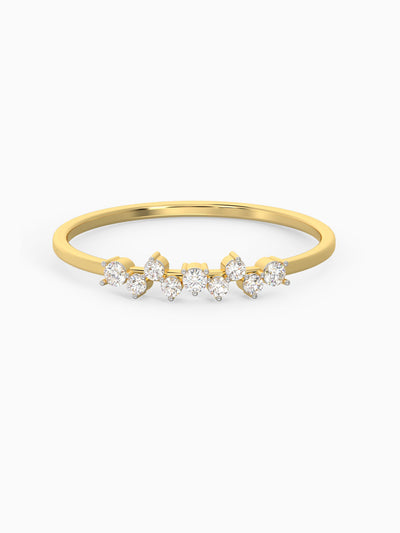
Anushka Sharma Gold Classic Elegance Diamond Ring
Regular price ₹12,032Sale price ₹12,032 Regular priceUnit price per₹15,893 -
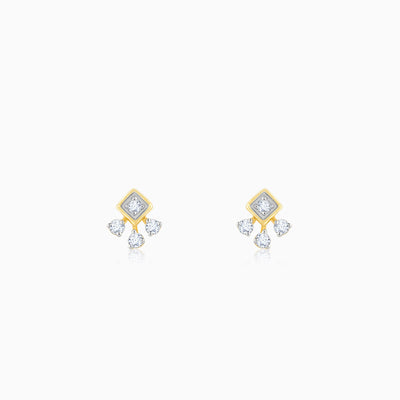
Gold Exquisite Trio Lab Grown Diamond Stud Earrings
Regular price ₹11,131Sale price ₹11,131 Regular priceUnit price per₹15,764 -
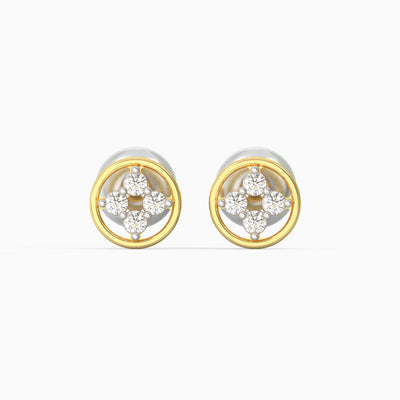
Anushka Sharma Gold Circular Quartet Diamond Stud Earrings
Regular price ₹13,221Sale price ₹13,221 Regular priceUnit price per₹17,802 -
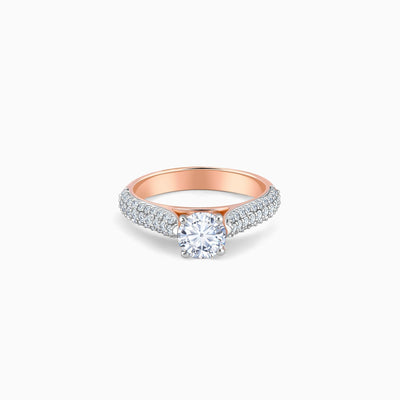
Rose Gold Solitaire Meraki Lab Grown Diamond Ring
Regular price ₹72,724Sale price ₹72,724 Regular priceUnit price per₹92,852
-
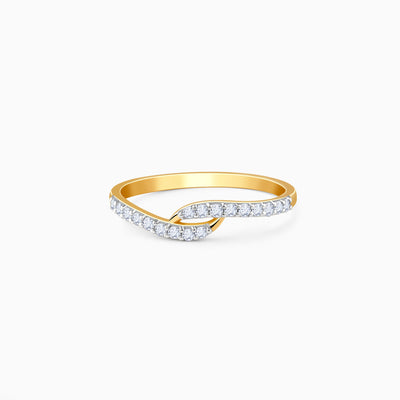
Gold Elira Wave Lab Grown Diamond Ring
Regular price ₹17,240Sale price ₹17,240 Regular priceUnit price per₹22,697 -
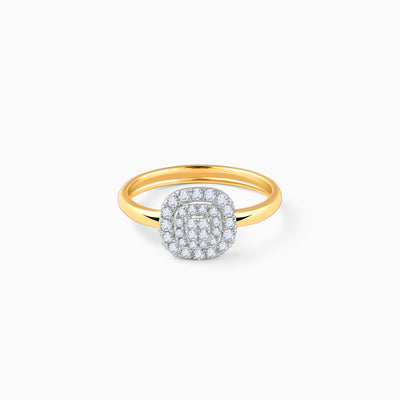
Gold Glam Lab Grown Diamond Ring
Regular price ₹21,834Sale price ₹21,834 Regular priceUnit price per₹28,989 -
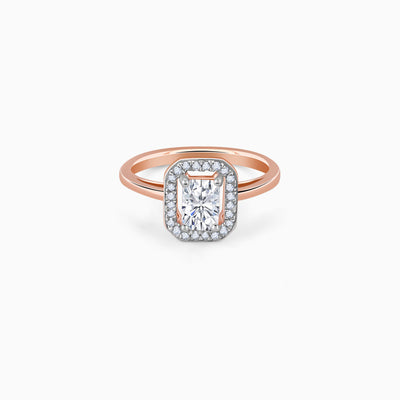
Rose Gold Magnum Halo Lab Grown Diamond Ring
Regular price ₹49,173Sale price ₹49,173 Regular priceUnit price per₹63,433 -
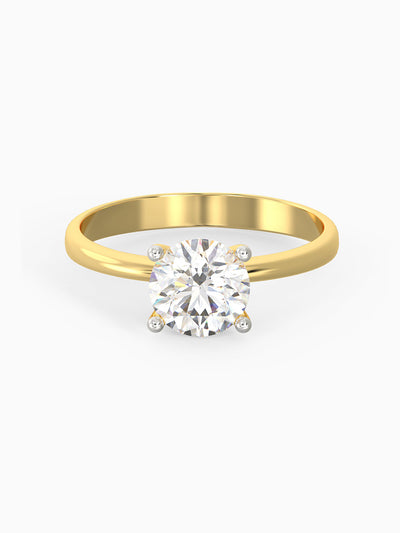
Anushka Sharma Gold Mystic Aura Solitaire Diamond Ring
Regular price ₹53,276Sale price ₹53,276 Regular priceUnit price per₹63,624



You May Also Like

You are in a jewellery store, you have a budget and no idea what to choose. Does this ring a bell? A birthday gift in gold has never just been...
Gold Jewellery for Milestone Birthdays: Meaningful Gift Ideas for Every Age
You are in a jewellery store, you have a budget and no idea what to...

Jewellery trends come and go. A good pendant doesn’t. It sits on a chain, goes from the office to the gym to a wedding, and somehow never comes off. That staying...
Top 10 Gold Pendant Designs for Women: Elegant Styles for Every Occasion
Jewellery trends come and go. A good pendant doesn’t. It sits on a chain, goes from...

You are at a jeweller’s counter, two diamond rings sit in front of you, one soft and rounded, one sharp and triangular. The heart cut vs trillion cut question suddenly...
Heart Cut vs Trillion Cut: Differences, Appearance, Price and Which Diamond Shape to Choose
You are at a jeweller’s counter, two diamond rings sit in front of you, one...

There were two rings on the velvet tray. One is small and neat, the other is bigger and obviously more expensive, and all the relatives at the counter have opinions....
0.5 Carat vs 1 Carat Diamond: Which Offers Better Value?
There were two rings on the velvet tray. One is small and neat, the other...

Open any old family jewellery box in India and you will typically find one piece that looks different from the rest. The sparkle is softer, a little glassy, never razor-sharp....
Polki Jewellery With Gold: The Uncut Diamond Tradition That Is More Stunning Than Ever in 2026
Open any old family jewellery box in India and you will typically find one piece...

Ask anyone who wears a gold nose pin every day, and they will tell you the same thing: It may be a single piece of jewellery, but its impact is undeniable....
Gold Nose Pins: Traditional Designs, Modern Styles and How to Choose
Ask anyone who wears a gold nose pin every day, and they will tell you the...
