


Table of Contents
1. Why a Solitaire Shows Off Every Single Detail
2. Cut: The C That Controls the Sparkle
3. Color: Why "Whiter" Isn't Always What You Notice First
4. Clarity: The Cost Nobody Sees But Everyone Feels the Price Of
5. Carat: Size, Proportion and the Illusion of "Bigger"
6. How the 4 Cs Work Together in a Heer by GIVA Solitaire
7. Solitaire Ring vs Diamond Pendant: Do the 4 Cs Matter Differently
8. Quick Answer Box
9. FAQs
You're scrolling through rings late at night and they all look "nice" until you actually zoom in. Then one stone suddenly looks alive and the one next to it looks flat, even though they’re the same carat weight. That difference is not chance. 4Cs doing their thing or not doing their thing.
Patience has no place to hide. It is not a cluster of small stones where one poor diamond is lost among the rest but a solitaire which puts a single stone right in the limelight. Every decision you make about cut, colour, clarity and carat is exposed as soon as light strikes your finger, your ear or your collarbone. So whether you are picking your first or fifth stone, it’s understanding how these four factors actually work together (not just what they mean in theory) that separates a stone that photographs beautifully from one that just sits there.
This guide breaks down each C in plain language, tells you where to actually spend your budget and shows it all played out in real pieces so you’re not guessing at checkout. Whether you’re dreaming of a lab-grown diamond solitaire for everyday wear or for a special occasion, the same four factors determine how it looks in the mirror.
Why a Solitaire Shows Off Every Single Detail
A solitaire is by definition a single stone which is dominant, set alone, with no side stones vying for attention. This is why quality decisions are more important here than almost anywhere else in fine jewellery. But when you get a diamond with 10 smaller diamonds set into it, your eye averages the sparkle out over the whole thing. Your eye finds it and inspects it alone, whether you want it to or not.
This is why solitaires are also such an honest test of work. Every time, a well-cut, well-matched stone in a simple setting will out-sparkle a larger, poorly cut stone. Here size is not everything. It’s all about the balance of the 4 Cs against each other well before the stone was even set.
Cut: The C That Controls the Sparkle
If there is only one thing you remember from this entire guide, it's this: 'cut' is the 'C' that determines how much light actually bounces back to your eye. The colour and clarity will contribute to the “clean” look of a diamond, but it’s the cut that makes it shine in the first place.
A diamond that's cut too shallow will leak light out the bottom. One cut too deep loses light on the sides. Only a cut cut in the right proportions will bounce light straight back up through the top of the stone. And that's what creates that fire and brilliance people associate with a good diamond in the first place.
How Cut Angles Decide Light Return, Not Size
Two diamonds of the exact same carat weight can look completely different in brightness purely because of their cut angles. This is the part most first-time buyers skip because they assume "cut" just means the shape (round, oval, or emerald). Shape and cut are related but not the same thing. Shape is the outline. Cut is the precision of the angles and facets within that outline.
Choosing a Shape for Everyday Wear
Round and cushion shapes tend to hide small imperfections better because their facet pattern scatters light in more directions. That’s exactly why they dominate everyday solitaire collections. Emerald and baguette cuts are more direct in showing off clarity because their long, flat facets act almost like a window into the stone, so they need a slightly cleaner diamond to look their best.
If you are buying a diamond solitaire ring for everyday wear, rather than a special occasion ring, then generally a round or cushion cut with a well-proportioned setting will give you a more forgiving sparkle for the money. A lab-grown solitaire ring in this shape also tends to better hide minor day-to-day scuffs than sharper, more angular cuts.
Colour: Why "Whiter" Isn't Always What You Notice First
Colour grading goes from colourless to noticeably tinted, and most buyers assume they need to go for the absolute top of that scale. The truth is that the difference between a top grade and a near-colourless grade is not visible to the naked eye in most lighting, especially once the stone is set.
The Colour Scale, Without the Jargon
Imagine it’s not about memorising letter grades but more about three practical buckets: icy white, warm white, and visibly tinted. In a patients setting, anything in the icy white to warm white spectrum will look bright and clean. The stones you need to be careful of are the ones that have a visible tint, because that’s where the yellow tone starts to become apparent to a non-jewellery person.
How Gold Tone Changes What You See
This is the part that almost no one talks about. The metal your stone is set in will alter the way its colour appears to the eye. The warm gold tone of yellow gold provides contrast to the stone, which can make a near-colourless diamond look whiter than it technically is. Any warmth would show more honestly in the same stone in white gold or platinum. This is actually useful information if you're deciding between 14K and 18K gold settings because it means you don't always need the highest colour grade to get a stone that looks brilliantly white in the final piece.
Read more: Everything you need to know about diamonds
Clarity: The C Nobody Sees But Everyone Feels the Price Of
Clarity refers to the presence of internal and external characteristics called inclusions and blemishes that are naturally occurring as a diamond is forming. Most people overpay for this. Clarity grades above “eye-clean” are only visible under magnification. No one across the dinner table admiring your ring is whipping out a loupe.
Eye-Clean vs Microscope-Clean
An eye-clean diamond is one that doesn't have inclusions that can be seen with the naked eye at a normal viewing distance, but a jeweller's loupe may show tiny characteristics. Past that point you are paying for microscope-clean grade, and that cost is not reflected in visible beauty. This is one of the easiest places to save money without affecting how the stone actually looks on you.
Why Certification Actually Protects You Here
That’s where certification really pays off. An independent grading source’s report confirms the clarity of a certified solitaire diamond as well as the other three Cs, so you’re not taking a salesperson’s word for what you’re paying for. That paperwork is the only real proof of what you're getting when you're buying online instead of under a jeweller's loupe in-store.
Carat: Size, Proportion and the Illusion of "Bigger"
Carat is a measurement of weight, not size, which surprises a lot of first-time buyers. Two stones of the same carat weight may be different in diameter depending on the cut. A shallow cut spreads the same weight over a larger top surface, thus looking bigger from above. A deeper cut concentrates that weight downwards, making the same carat weight look smaller when viewed face-up.
Matching Carat to How You Actually Live
If you’re the kind of person who types all day, cooks, or works with your hands, a smaller, well-cut stone set low in a secure prong will hold up better day to day than a larger, more exposed stone. If the piece is more for occasions, dinners, weddings, festive days, you have more leeway to go bigger as it won’t get daily wear and tear.
Setting Style Can Make Carat Work Harder
A halo-style setting, or one with a slightly raised profile, can visually stretch a smaller carat weight to look bigger than it is. This is a smart way to get visual impact without stretching your budget purely on raw carat weight.
Why Carat Alone Never Tells the Full Story
Shopping by carat number alone is tempting because it seems like the easiest way to compare two pieces. But once cut, colour, and setting come into play, two 0.5 carat stones can look totally different. A slightly smaller stone that is beautifully cut and set flatteringly will almost always outshine a slightly larger stone that has been cut to retain weight instead of for brilliance. If you are comparing two diamonds that are in a similar price range, ask about the cut grade before you ask about the carat weight. That one question tells you more about how the stone will actually look than the weight ever will.
Read more: What to consider when buying diamonds?
How the 4 Cs Work Together in a Heer by GIVA Solitaire
None of these four factors work independently. A lab grown diamond solitaire with a good cut but not great colour will still appear bright and lively. A stone that is top colour but poorly cut will look dull no matter how “clean” it is on paper. The real skill in buying solitaire is knowing which C to play up depending on how and why you wear it, rather than trying to get the highest grade on all four at once.
|
Buyer Type |
What to Prioritize |
What to Compromise On |
Typical Focus |
|
Everyday wearer |
Cut, then clarity |
Carat size |
Smaller, well-cut round stone for daily durability and sparkle |
|
Gifting buyer |
Color, certification |
Carat size |
A near-colorless, certified stone that looks flawless without needing explanation |
|
Occasion or statement buyer |
Carat, then cut |
Clarity grade slightly |
A bigger, brighter stone that reads well in photos and under event lighting |
This is also where solitaire ring prices get less confusing. When you know which Cs are important for how you’ll wear the piece, you stop paying for grades you’ll never see, and you start paying for the ones that actually make a difference in how the stone looks on you.
Solitaire Ring vs Diamond Pendant: Do the 4 Cs Matter Differently
Yes, and that is something that is not talked about enough. A diamond solitaire pendant, worn close to the skin (typically around the collarbone) gets light at a slightly different angle to a ring worn at hand level. Colour and cut are just a little more important here, since you're seeing it close up more, and at that distance any warmth or dullness is more apparent.
A solitaire diamond ring is worn more often on a daily basis, so clarity and setting security are a bit more important in the decision. And it’s seen more often from a distance (across the table, in a handshake, in photos taken from arm’s length), so cut and brilliance matter more than up-close clarity in most everyday situations.
Neither piece requires the top rating in all four Cs. They just need the right two prioritised for how they’ll actually get worn.
How do the 4 Cs affect a diamond solitaire's beauty?
Cut determines how much light the stone reflects, which controls sparkle. Color affects how white or warm the stone appears. Clarity determines whether inclusions are visible to the naked eye. Carat determines size and, combined with cut, how large the stone appears face-up. In a solitaire, all four are more visible than in multi-stone jewellery, since there's only one stone to judge.
FAQs
What is a solitaire diamond?
A solitaire diamond is a single, standalone stone set as the central focus of a piece, without smaller side stones surrounding it. The design keeps all attention on that one diamond's cut, color, clarity and carat.
What is the best lab grown diamond solitaire under 20000?
At this price point, look at smaller solitaire studs, nose pins, or entry-level rings with a modest carat weight and a well-executed round cut. Prioritising cut quality over carat size will give you the most visible sparkle within this budget. Cheek out the Heer by GIVA gold under 20k Collection.
Is a 14k gold lab grown solitaire ring a good everyday choice?
Yes. 14K gold is more durable than 18K for daily wear since it has a higher percentage of alloy metals mixed in, which makes it more resistant to scratches and bending while still holding a lab grown stone securely.
How do I choose the right solitaire diamond size?
Think about how often you'll wear the piece and in what setting. Daily wear favors a smaller, well-cut stone set low and secure, while occasion wear gives you more room to go bigger since the piece won't face constant friction or impact.
Is a lab grown solitaire ring a good choice for engagement in 2026?
Yes. Lab grown diamonds are chemically and visually identical to mined diamonds, cost meaningfully less at the same carat and clarity level, and come with the same certification standards, making them a practical and increasingly popular engagement choice.
-
-
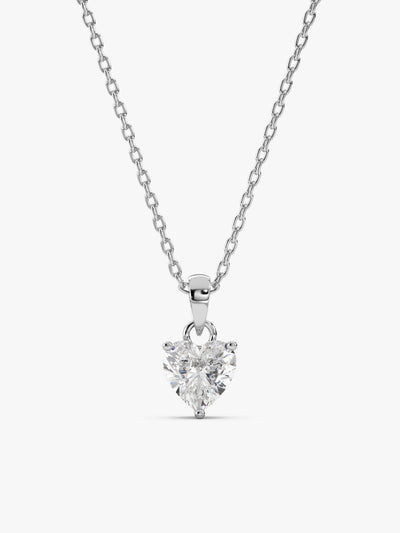
Silver Solitaire Heart Pendant with Link Chain
Regular price ₹1,999Sale price ₹1,999 Regular priceUnit price per₹5,799 -
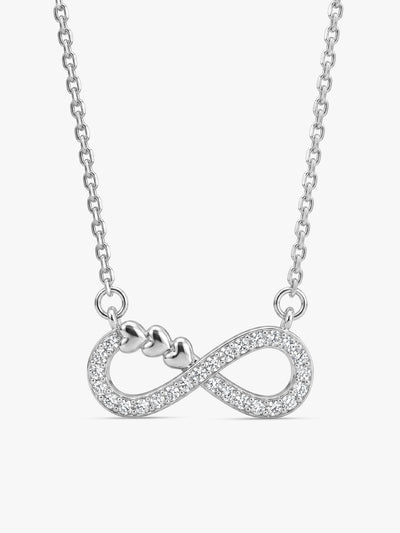
Silver Infinity Heart Necklace
Regular price ₹2,999Sale price ₹2,999 Regular priceUnit price per₹6,199 -
Bestseller
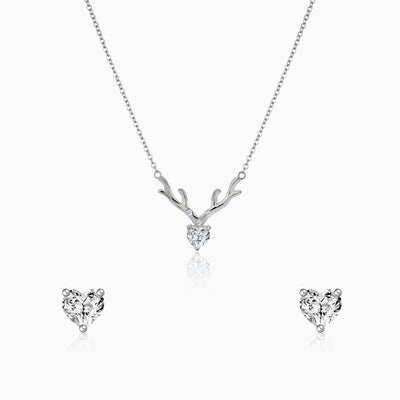
Silver Deer Solitaire Heart Set
Regular price ₹6,399Sale price ₹6,399 Regular priceUnit price per₹10,599
-
-
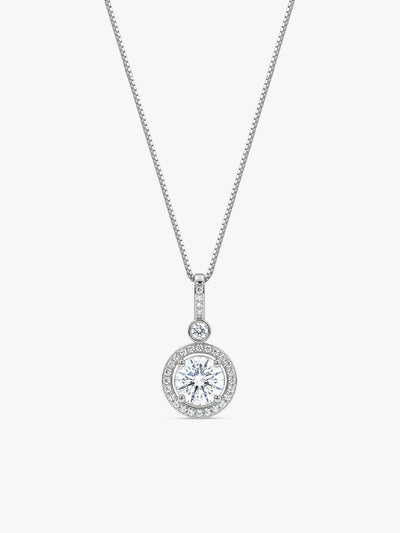
Silver Drizzle Drop Pendant with Box Chain
Regular price ₹2,999Sale price ₹2,999 Regular priceUnit price per₹6,199 -
Bestseller
-

Silver Pink Flower Mini Drop Earrings
Regular price ₹3,799Sale price ₹3,799 Regular priceUnit price per₹5,999


