


Table of Contents
1. Why Silver Layering is Having Its Biggest Moment Yet
2. What You Need Before You Start
3. 8 Ways to Layer Your Silver Chain Like a Pro
4. How to Layer Silver Chains Without Tangling in India
5. 5 Layering Mistakes and How to Fix Them
6. The Indian Climate Problem Nobody Talks About
7. 5 Silver Chain Layering Mistakes Indian Women Make
8. Quick Reference Guide
9. Build Your Silver Chain Stack with GIVA
10. FAQs
Why Silver Layering is Having Its Biggest Moment Yet
Here is something to remember. Layering necklaces was pretty much a woman’s move a few years ago. Jewellery was hardly admitted among men. Then 2024 happened. Indian influencers, athletes and male celebrities started stacking chains, openly and unashamedly. Ranveer Singh wore five at a time. Rohit Sharma walked into a press conference with his collar layered in silver and gold. What was once over the top became a statement of intention.
That cultural shift did something strange to women’s jewellery too. More is more. Layering is more. Curation is layering. The question shifted from how many chains to which chains and exactly how. Indian women spotted. By 2025, silver chain layering had made its way from Instagram into real life worn with kurtas, co-ords, saree blouses and corporate workwear.
Silver necklaces are making the strongest comeback ever for cool-toned modern outfits in 2026. The practice of wearing multiple fine chains across office, festive and casual settings is firmly mainstream in India now. This guide provides you with the exact system.
What You Need Before You Start Layering Silver Chains

Silver Anchor with Bar Design Chain
Which Silver Chain Length Is Best for Layering in India?
The reliable three-layer formula: 16 inches at the collarbone as your base, 18 inches just below the collarbone as your mid layer, and 20 to 22 inches at the upper chest for your pendant or accent chain. Keep a minimum 2-inch gap between each layer. This applies across all Indian body frames and necklines.
The Only Guide You Need to Chain Lengths for Indian Necklines
Most international guides relate chain lengths to western tops. None consider how a round neck kurta falls differently on an Indian collarbone than a crew neck tee, or how saree blouse necklines can vary from square to deep-U to halter in a single wardrobe.
|
Chain Length |
Where It Falls |
Best Indian Neckline Match |
|
14 inch |
Base of neck, choker |
Boat neck, off-shoulder, lehenga blouse |
|
16 inch |
Collarbone |
Round neck kurta, crew neck, basic tee |
|
18 inch |
Just below collarbone |
V-neck, sweetheart, keyhole, salwar kameez |
|
20 inch |
Upper chest |
Deep V, ethnic fusion co-ords |
|
22 inch |
Mid-chest |
High neck, mandarin collar kurta |
|
24 inch |
Lower chest |
Saree blouse, halter neck, anarkali |
The 5 Silver Chain Types That Layer Best
Which Chain Types Work Best for Layering Silver Necklaces?
Cable chains are the best base layer, fine, flat, and flexible. The box chain holds shape well as a second layer. The rope chain adds texture as a third accent layer. Snake chain is naturally anti-tangle and ideal for pendants. The figaro chain is bold enough to anchor a stack as a final statement layer.
Cable chain – fine and flexible, lies flat as a base without competing with anything above it
Box chain - clean and structured, holds its shape well as a mid layer
Rope chain- textured and light-reflecting, best for the accent third layer Snake chain, designed to be smooth and flat and naturally anti-tangle, great for pendant chains
Figaro chain – bold alternating links, stands out as a statement on its own or as a strong final layer
GIVA has all five types in various lengths so you can build a full stack in one brand. The collection is made of 925 sterling silver.
8 Ways to Layer a Silver Chain for Women Like a Styling Pro
1.The Classic 3-Layer Stack | 2. The Pendant Focal Point | 3. The Thick and Thin Contrast | 4. The Coin and Chain Combo | 5. The Oxidised Silver and 925 Silver Mix | 6. The Minimalist Double Layer | 7. The Festival-Ready Layering Stack | 8. The Kurta Layering Method
1. The Old Three Layer Stack
How To Make A 3 Strand Silver Chain Stack?
Begin with a basic cable chain, 16 inches at the collarbone. Add an 18” chain with a small pendant just below. Finished with a 20” lightly textured chain at the upper chest. Leave 2 inches between each layer. Master this first, because all other methods are built on it.
Formula: 16" plain cable chain + 18" chain with small pendant + 20" lightly textured chain
Best for: office, college, everyday errands
Basic kurta. Match neckline Round neck Scoop neck
GIVA pick: Start with a dainty 16" silver chain from the GIVA everyday collection
2. The Pendant as the Centrepiece
How To Wear A Silver Chain with Pendant With Another Chain?
Attach the pendant to your longest chain and wear it at the bottom of the stack. All the chains above it are plain. Do not hang two pendants at the same height, they visually clash and knock together. One pendant per stack. Always.
Formula:20" statement pendant chain +16" plain chain.
Good for: brunch, date, night out, college sendoff
Neckline styles: V-neck, keyhole, halter
GIVA pick: moon or evil eye pendant on the longer chain, simple silver on the shorter
The chain above the pendant is just to frame it. The easy way. Let the pendant
do its work.
3. The Thin and Thick Contrast
Size: 16" dainty cable chain + 18" rope or box chain
Best for: festive casual, college, Navratri daywear, weekend outing
Neckline: Round Neck, Boat Neck
Key rule: put the thinner chain on first; if you layer the thicker chain first the minimal chain will slide underneath and get tangled within the hour
Different textures rub differently against the skin, and interlocking is prevented naturally. This is the easiest beginner stack, two chains, instant visual depth.
Read more: Which Silver Chain for Women Suits You Best?
4. The Coin and Chain Combo
What is the style of layering coin and chain for Indian women?
Focal layer is an 18" coin or chakra pendant pendant chain. 16" plain chain above focal layer and optional 22" thin chain below focal layer. Coin pendants reimagine the visual language of traditional Indian temple jewellery in a contemporary, everyday format that works just as well with kurtas, co-ords and western outfits.
Formula: 18" coin pendant chain + 16" plain chain + optional 22" long thin chain
Best for: Diwali, ethnic fusion, casual festive, kurta sets
Round neck kurta, ethnic co-ords, front open jacket: Match the neckline
GIVA selection: Coin & Chakra Pendant Range
5. The Oxidised Silver and 925 Silver Mix
Can You Mix Oxidised Silver and Plain 925 Silver Chains When Layering?
Yes. Plain 925 silver is bright and polished. Oxidised silver is dark and matte. Layering both creates contrast and depth without mixing metal families. This works especially well for Indian skin tones because both finishes are cool-toned. Use one oxidised chain and one plain 925 silver chain with a 2-inch length difference for a clean, intentional stack.
Formula: one oxidised silver chain (dark, matte) + one 925 silver chain (light, polished)
Best for: Ethnic wear, boho styling, college, casual outing
Neckline Coordination: Perfect for Every Neckline
This is different, because the layering guides all default to mixing gold and silver. Mix oxidised and plain silver for the same depth, cooler and more cohesive on Indian skin tones, all achievable within one metal family.
6. The Minimalist Double Layer
Formula: 16” plain chain + 18” chain with small initial, zodiac or moon pendant.
Best for: casual college wear, coffee shop runs, laid back weekends, work-from-home to evening
Neckline match: basic kurta, fitted round neck, crew neck
Rule: Both chains should be thin enough so that they look like one intentional layered piece, not 2 separate necklaces that happened to land on the same person.
If layering feels intimidating, start here. Two chains, one meaningful, one meaningless.
7. The Festival-Ready Layering Stack
How to Layer Silver Chains with Indian Ethnic Wear for Festivals?
Use a 16" choker-style chain as the base, an 18" chain with a floral or temple-motif pendant as the mid layer, and a 22" plain chain as the accent. For heavily embroidered blouses or lehengas, switching all three to minimal chains, heavy embroidery plus heavy chains creates visual overload. When wearing heavy jhumkas or a maang tikka, reduce to 2 chain layers and remove the pendant.
Formula: 16” choker chain + 18” floral or temple-motif pendant chain + 22” long plain chain
Best for: Navratri, Diwali, Pongal, mehendi, festive daywear
Neckline match: saree blouse (deep neck or halter), lehenga choli, anarkali, silk kurta
The big rule: jewellery needs hierarchy. There can be only one loudest element in each outfit. If the earrings are heavy, the chain stack takes a step back.
8. The Kurta Layering Method
Which Silver Chain Length Works Best for Each Kurta Neckline?
Round neck: 16" + 18". V-neck: 18" pendant + 20" plain. Mandarin collar: 20" + 22" only. Boat neck: 14" choker + 20" long chain. Keyhole neck: 18" centred pendant. Angrakha: 20" + 22". Match the starting length to how high the neckline sits the shorter the chain, the more neckline fabric it needs to rest against cleanly.
|
Kurta Neckline |
Chain Formula |
Why It Works |
|
Round neck |
16" + 18" |
Sits just inside the neckline edge cleanly |
|
V-neck |
18" pendant + 20" plain |
Echoes and elongates the V shape |
|
Mandarin/band collar |
20" + 22" only |
Avoids crowding the high structured neckline |
|
Boat neck |
14" choker + 20" chain |
Frames the wide neckline from both sides |
|
Keyhole |
18" pendant centred |
Pendant drops through the keyhole naturally |
|
Angrakha |
20" + 22" |
Stays visible across the wrap-style front |
No other jewellery brand has mapped silver necklace layering directly to Indian kurta necklines.
Read more: The Comeback of Silver Chains for Women in 2026
How to Layer Silver Chains Without Tangling: The Complete India Guide

Silver Beaded Rope Chain
6 Rules to Avoid Tangles
2 inch minimum gap – chains less than 2 inches tangle by noon. Un-negotiable.
Thinnest chain goes first --forms the base. On top of that are heavier chains to hold it down.
Use a layering clasp – it anchors all clasps to one fixed point, eliminating the main source of tangling
Mix chain textures – rope and cable chains move differently against the skin and don’t interlock
Same-length fix – add a chain extender for the 2 inches needed
Remove before bed and exercise - twisting overnight is the biggest cause of knots
How to Layer Silver Chains Without Tangling in India
Keep a 2-inch length gap between every chain. Put the thinnest chain on first. Use a layering clasp to anchor all chains at one point. Mix chain textures so they move differently. Never layer two chains at the same length. In Indian summers and monsoons, wipe chains dry after every wear before storing separately in anti-tarnish pouches.
What Is a Layering Clasp and Do You Need One?
A layering clasp also called a necklace spacer bar attaches multiple chains to a single clasp point at the back of the neck. All chains are held apart at fixed intervals so they cannot wrap around each other. It is the single most effective anti-tangle solution for anyone layering silver chains daily.
The Indian Climate Problem Nobody Talks About
Why Do Silver Chains Tangle More in Indian Summers and Monsoons?
Heat and humidity increase sweat. Sweat makes silver chains slightly sticky. Sticky chains create surface friction between layers, causing them to tangle faster than they would in a dry climate. In cities like Mumbai, Chennai, and Kolkata between March and September, this is a daily reality for anyone wearing layered silver chains.
- Wipe chains with a dry soft cloth after every wear before storing
- Store in anti-tarnish zip pouches with a silica gel packet inside
GIVA's 925 silver chains carry anti-tarnish treatment, which directly reduces humidity's impact on shine
How to Store Layered Silver Chains to Prevent Tangling?
Clasp each chain before storing. Store each chain separately, never in the same dish. In Indian humidity, add a silica gel packet to each storage pouch. Travel hack: thread each chain through a cut drinking straw before packing. At home, use a hook board or tiered necklace stand so chains hang separately and stay visible.
Read more: Discover Stunning Silver Necklaces for Women at GIVA
5 Silver Chain Layering Mistakes Indian Women Make
Most Common Silver Chain Layering Mistakes and How to Fix Them
The five most common mistakes: layering two chains at the same length, using all thin chains with no anchor, placing two pendants at the same length, attempting four-plus chains as a beginner, and pulling chains off without unclasping. Each has a direct fix.
|
Mistake |
The Fix |
|
Two chains at the same length |
Add a chain extender creates the 2-inch gap needed |
|
All thin chains, no anchor |
Add one slightly thicker chain to hold the stack in place |
|
Two pendants at the same length |
One pendant per stack on the longest chain only |
|
Layering 4+ chains as a beginner |
Start with 2, master spacing, then build to three |
|
Pulling chains off without unclasping |
Always unclasp first pulling bends lobster clasps and weakens links |
Quick Reference: Silver Chain Layering for Indian Women in 2026
|
Occasion |
Layers |
Chain Formula |
Pendant? |
|
Office |
2 |
16" + 18" |
Small, optional |
|
College/daily |
2–3 |
16" + 18" + 20" |
Yes, zodiac or initial |
|
Festive / Navratri |
3 |
16" + 18" + 22" |
Yes, floral or coin |
|
Date/evening |
2 |
18" + 20" |
One statement pendant |
|
Saree/ethnic |
2–3 |
14" + 18" + 22" |
Minimal or none |
|
Travel / casual |
2 |
16" + 18" |
Optional |
The faux pas, India-style: wearing all three at once - the heavy jhumkas, the maang tikka and the full three-chain stack. For earrings that do heavy lifting, take the chain stack up to 2 layers, remove the pendant and let the ears lead. Every outfit needs one loudest element, not three.
Build Your Silver Chain Stack with GIVA

Silver Rope Chain
So when it comes to layering a silver chain for women it’s really about three things: the right length spacing, one focal pendant, and chain textures that are different enough to stay separate throughout the day. All the techniques in this guide operate inside that system.
GIVA’s 925 sterling silver chains come in every length this guide uses: 14”, 16”, 18”, 20”, and 22” in cable, rope, box, and snake styles. Hallmarked by BIS. Anti-tarnish Design of Indian daily wear.
Frequently Asked Questions
Q: How do I layer silver chains without tangling in India?
Keep a 2-inch gap between each chain. Put the thinnest on first. Use a layering clasp. Mix textures: rope, cable, and box. In humid months, wipe chains dry after each wear and store separately in anti-tarnish pouches with a silica gel packet.
Q: Can I layer silver chains with kurtas and sarees?
Yes. Round neck kurtas: 16"+18". Saree blouses with deep necks: 14" choker with 18" pendant chain. Halter-neck lehengas: 20" to 22" chains that follow the open neckline without crowding it.
Q: How many silver chains should I layer at once?
Two to three is ideal. Beginners start with two. The classic stack is three chains at 16", 18", and 20". Beyond three, only increase if each chain differs by at least 2 inches and textures vary significantly.
Q: Is 925 silver good for daily layering wear in India?
Yes. 925 sterling silver is durable enough for daily stacking, lightweight for all-day comfort, and holds its shine with basic care. Wipe dry after wearing and store in anti-tarnish pouches.
Q: Do you need to mix gold and silver to create a layered look?
No. The most distinctive layering combination for Indian women in 2026 is plain 925 silver paired with oxidised silver. Both are cool-toned, within the same metal family, and far more suited to Indian skin tones than a gold-silver mix. The contrast between matte and polished silver creates the same depth.
Q: Can I mix plain 925 silver with oxidised silver when layering?
Yes. Plain 925 silver is bright and polished. Oxidised silver is dark and matte. The contrast creates depth without mixing metal families. GIVA stocks both, making this combination possible within one brand without buying a second metal.
-
-
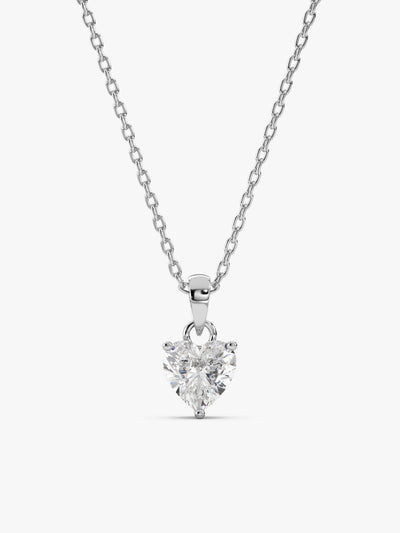
Silver Solitaire Heart Pendant with Link Chain
Regular price ₹1,999Sale price ₹1,999 Regular priceUnit price per₹5,799 -
Bestseller
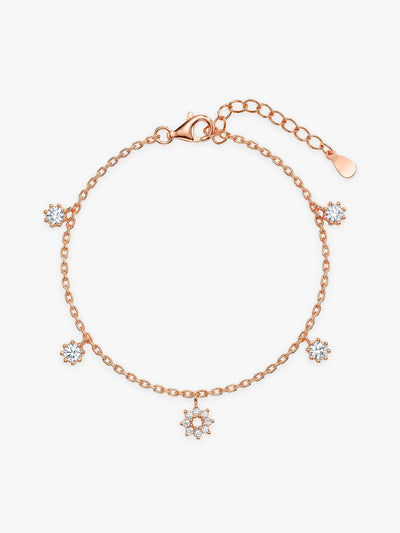
Rose Gold Flower Charm Bracelet
Regular price ₹2,399Sale price ₹2,399 Regular priceUnit price per₹5,299 -
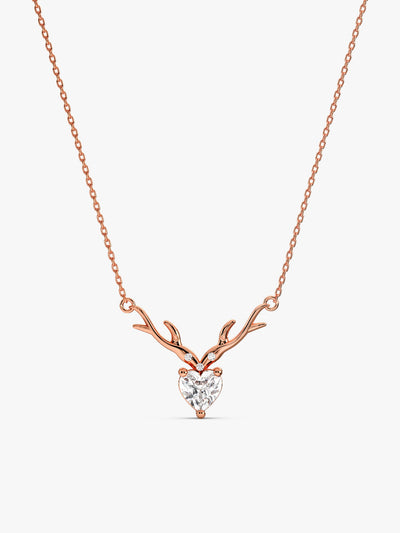
Rose Gold Deer Heart Necklace
Regular price ₹1,999Sale price ₹1,999 Regular priceUnit price per₹6,199
-
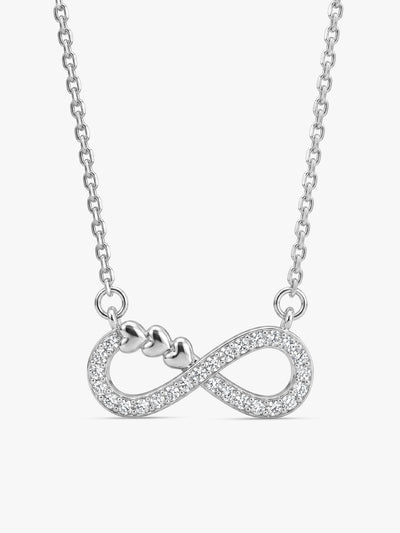
Silver Infinity Heart Necklace
Regular price ₹2,999Sale price ₹2,999 Regular priceUnit price per₹6,199 -
Bestseller
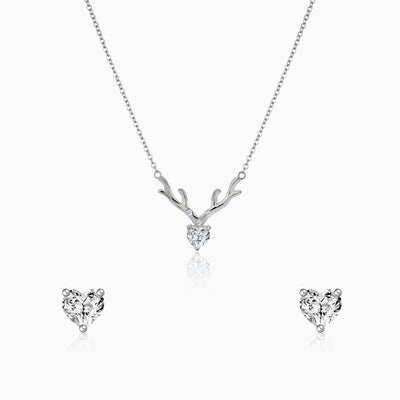
Silver Deer Solitaire Heart Set
Regular price ₹6,399Sale price ₹6,399 Regular priceUnit price per₹10,599 -
-
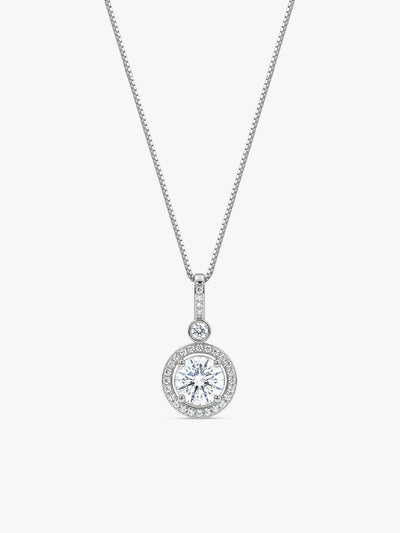
Silver Drizzle Drop Pendant with Box Chain
Regular price ₹2,999Sale price ₹2,999 Regular priceUnit price per₹6,199



You May Also Like

A black bead has a silent power. It does not scream for attention like a diamond does but in Indian households it holds more significance than almost any other piece...
Black Beads Chain Designs: Mangalsutra and Modern Styles for the Contemporary Woman
A black bead has a silent power. It does not scream for attention like a...

Table of Contents Why Stud Earrings Are the Everyday Hero of Every Indian Jewellery Box Silver Studs for Daily Wear: The Cool, Comfortable Choice Gold Stud Daily Wear: For Festive...
Best Stud Earrings for Daily Wear: Silver and Gold Designs You Will Never Take Off in 2026
Table of Contents Why Stud Earrings Are the Everyday Hero of Every Indian Jewellery Box...

For Rakhi 2026, sisters can try breezy ethnic wear like a cotton silk saree or an anarkali suit, accessorised with jhumkas or an elegant silver choker. Brothers can stick to...
What to Wear on Rakhi 2026: Outfit and Jewellery Ideas for Sisters and Brothers
For Rakhi 2026, sisters can try breezy ethnic wear like a cotton silk saree or...

Table of Contents 1. Can You Wear Silver Jewellery in Bangalore's Monsoon 2. Why Bangalore's Monsoon Behaves Differently for Jewellery 3. Which Jewellery Is Safe to Wear in Monsoon: Material...
Monsoon Jewellery: The Best Silver Pieces to Wear When It Rains in Bangalore
Table of Contents 1. Can You Wear Silver Jewellery in Bangalore's Monsoon 2. Why Bangalore's...

Table of Contents 1. The Mangalsutra in 2026: Still Sacred, But Definitely Stylish 2. What Are Women Actually Buying? Trending Mangalsutra Designs Right Now 3. Which Mangalsutra Style Suits Which...
Mangalsutra Guide 2026: Which Style Suits Which Woman?
Table of Contents 1. The Mangalsutra in 2026: Still Sacred, But Definitely Stylish 2. What...

India’s jewellery map is much wider than the gold-heavy Kundan and Polki pieces that most of us imagine first. Travel northeast to Assam and you get a completely different design...
Assamese Jewellery: The Ancient Craft of Junbiri, Gamkharu and Dhulbiri You Need to Know
India’s jewellery map is much wider than the gold-heavy Kundan and Polki pieces that most...
