


Fashion and Lifestyle
Assamese Jewellery: The Ancient Craft of Junbiri, Gamkharu and Dhulbiri You Need to Know


India’s jewellery map is much wider than the gold-heavy Kundan and Polki pieces that most of us imagine first. Travel northeast to Assam and you get a completely different design language, based on crescent moons, twin pigeons, dhol drums, motifs taken straight from the nature and music of the Brahmaputra valley. This is Assamese jewellery and once you know the names and what they signify, your idea of Indian craftsmanship becomes so much richer.
This guide details the names of Assamese jewellery, the most iconic pieces like Junbiri, Gamkharu and Dhulbiri, and how each design relates to Assam’s culture, festivals and daily life.
Assamese jewellery is generally referred to as Asomiya aabhoron (Assamese ornaments) or traditional Assamese gold jewellery, which includes a particular family of pieces rarely seen outside the northeast. Assamese jewellery is different from the heavily stone-studded jewellery of Rajasthan or temple jewellery of South India. It uses a thin layer of gold foil (locally known as paat-sun) applied over a pure silver base. This process makes the jewellery light and easy to wear daily, still giving it a rich golden finish.
The designs are mainly inspired by three sources: nature (birds, flowers, the moon), musical instruments used in Bihu celebrations, and objects from traditional Assamese homes such as the japi, a handwoven bamboo headgear. Assamese traditional jewellery is not just decorative ornaments. Each piece of jewellery has a name, a story and a cultural role.
Gamkharu, also known as Kharu, is a wide and strong bracelet or bangle that has been an integral part of Assamese dressing for generations. The word is derived from the local word for wrist ornament, as in Hindi "Kangan".
Weight and presence on the wrist is the distinguishing factor of Gamkharu. Gata Kharu is traditionally made in gold or gold-foil-over-silver and has several regional varieties, including Bala Kharu, Sanchara Kharu and Magarmuria Kharu, each with a slightly different surface pattern or clasp style. Gamkharu was worn by men in the earlier days and has become a staple wear for the Assamese women in weddings and Bihu performances.
Efforts are on today through initiatives like Project Gamkharu to get a Geographical Indication tag for this craft, so that it is recognised as a genuine product of Assam’s artisans. That shows you how serious the region is about the authenticity of this design and why buying from a trusted source is so important if you want a real piece instead of a mass-produced copy.
Dhulbiri: jewellery inspired by the sound of Bihu Dhulbiri (also known as Dholbiri) is a necklace with a pendant in the shape of a dhol, the traditional drum played during Bihu celebrations. Here is a fine instance of an Assamese jewellery design drawing upon the musical heritage of the State rather than on nature or royal symbols alone.
Dhulbiri, which is traditionally made in gold, lends itself to being worn on special occasions
such as weddings and Bihu dance performances and so has a celebratory, festive character. Its cylindrical drum-like shape makes it different from any other Indian regional necklace style and it is usually paired with other Assamese jewellery like the Junbiri or Gamkharu to complete a bridal or festive look.
Read more: Why Is Blue Stone Jewellery So Popular in India?

Assamese jewellery designs that you will love
Once you get your head around Junbiri, Gamkharu and Dhulbiri, the rest of Assam's jewellery vocabulary becomes much easier to navigate.
The Loka Paro earrings or pendants have two identical birds – ‘Paro’ translates to pigeon in Assamese – placed back to back. The twin-bird design, which dignitaries of the Ahom dynasty traditionally wore, is supposed to symbolise harmony and togetherness.
Thuria is a round and star-shaped earring that features a minimal classic silhouette and is believed to be one of the oldest and most traditional forms of earrings in Assam.
Kerumoni is a combination of two Assamese words “Keru” for ear and “Moni” for jewel. It is a term for an earring or necklace pendant with one side that is wider and a small round hole, generally finished with a string of pearls or beads.
Galpata is the Assamese version of a choker, a neckpiece that fits close to the neck, is typically seen in floral patterns and rests higher on the neck than other necklace styles of greater length.
Jethi Pota is inspired by the Kopou phool, Assam’s native orchid, and is a chain of richly coloured embellishments, often worn during Bihu.
Xensorai, the hawk, and Dug-Dugi, a spade-shaped design across rings, pendants and earrings, are the other members of the wider family of Assamese ornament names.
Read more: Trending Nose Pin Designs in India 2026
The language of design is devoid of anything purely decorative, which makes the study of Assamese jewellery a truly educational one. Each motive has its origin in reality: birds for companionship and harmony; the moon for natural beauty; musical instruments for celebration; and flowers like the Kopou orchid for regional identity. This is a long way from jewellery traditions based only on royal patronage or religious iconography.
The use of gold foil over silver jewellery also tells us something deeper about Assamese values. Traditionally, this technique gave beautiful jewellery to families of all economic backgrounds, not just the rich. The craftsmanship remained intricate and skilled, but the materials also kept it within reach, which is one reason these pieces are still worn so widely during Bihu and weddings rather than reserved only for the elite.
The link to Bihu, in particular, cannot be overstated. Rongali Bihu is the most important festival of Assam which celebrates the beginning of the agricultural new year. Almost every major jewellery piece like Junbiri, Gamkharu, Dhulbiri, Jethi Pota has a documented role in Bihu dance costumes. The jewellery here is not separate from cultural performance. It’s a part of it.
The conversation around jewellery in India has for long been dominated by a handful of well known styles Kundan, Polki, temple jewellery and Meenakari. But regional traditions like Assam’s are enjoying a revival of visibility in 2026, thanks to a combination of GI tagging efforts and shoppers on the lookout for jewellery with real cultural depth, not just trend-driven design.
If you’re looking to venture beyond mainstream Indian jewellery, then it’s good to know about pieces like Junbiri, Gamkharu and Dhulbiri. Every part of a country has its own visual vocabulary, dictated by the history of the place, its festivals and the materials available. Assam’s jewellery is a powerful example of how a regional craft can be both deeply traditional and thoroughly wearable today.
It is generally called Asomiya aabhoron or traditional Assamese gold jewellery, known for its gold foil over silver technique and nature-inspired designs like Junbiri and Gamkharu.
Most names describe the shape or inspiration behind the piece. Junbiri means crescent moon, Kerumoni combines the words for ear and jewel, and Dhulbiri is named after the dhol drum.
Junbiri earrings are best sourced from heritage Assamese jewellery sellers who now ship across India, since they typically use authentic gold foil over silver craftsmanship.
Yes, several Assamese jewellery specialists offer bridal sets online featuring Junbiri, Gamkharu and Dhulbiri, often sold as complete coordinated sets for weddings.
Growing interest in authentic regional craft, along with GI tagging initiatives like Project Gamkharu, has brought renewed visibility to Assamese jewellery traditions this year.
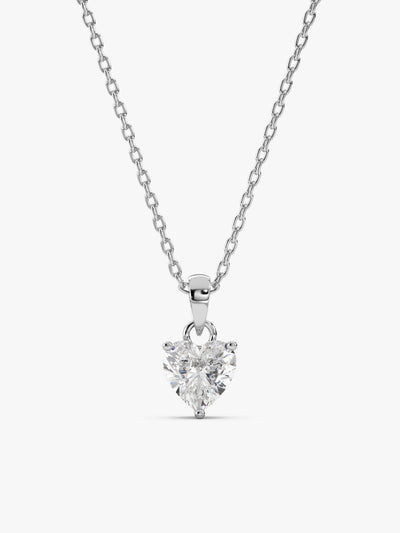
Silver Solitaire Heart Pendant with Link Chain
Bestseller
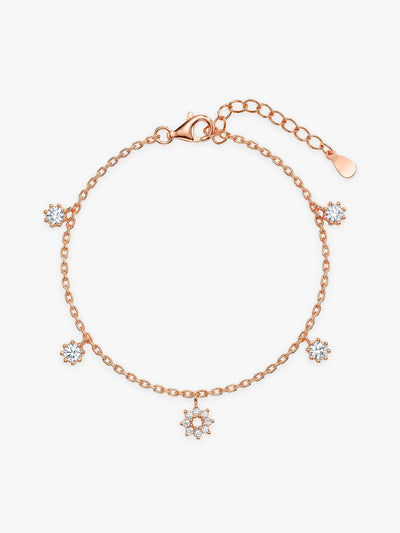
Rose Gold Flower Charm Bracelet
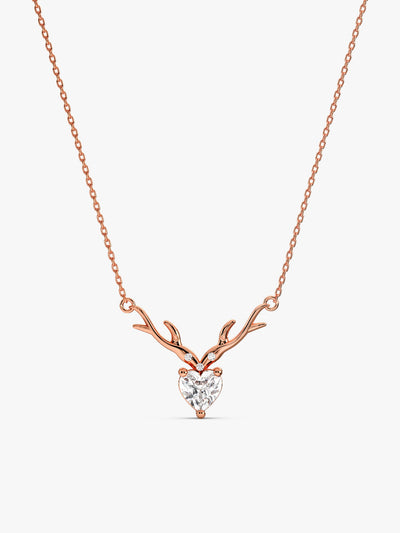
Rose Gold Deer Heart Necklace
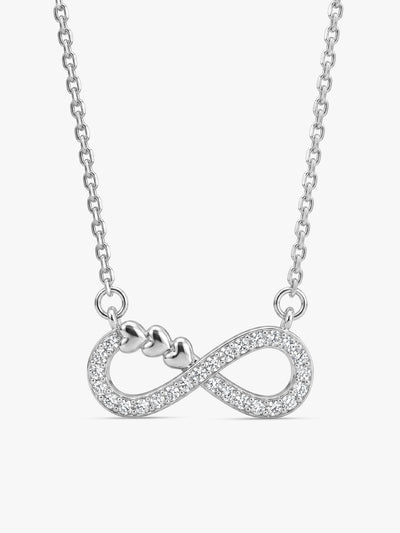
Silver Infinity Heart Necklace
Bestseller
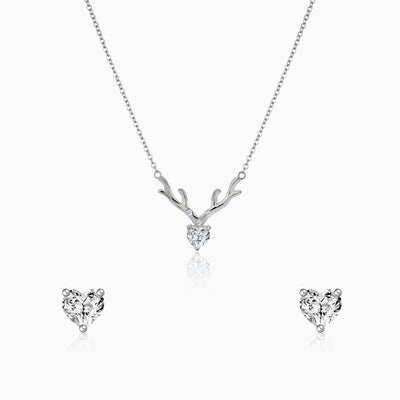
Silver Deer Solitaire Heart Set
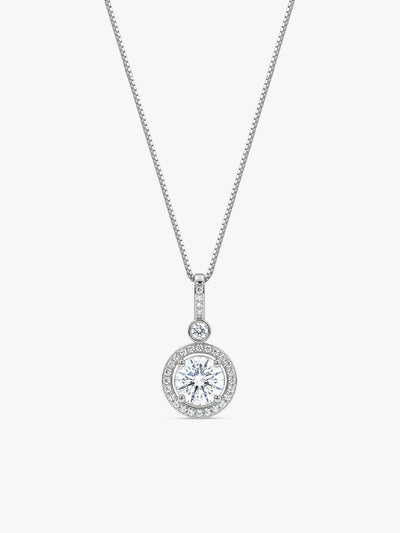
Silver Drizzle Drop Pendant with Box Chain

A black bead has a silent power. It does not scream for attention like a diamond does but in Indian households it holds more significance than almost any other piece...
A black bead has a silent power. It does not scream for attention like a...

Table of Contents Why Stud Earrings Are the Everyday Hero of Every Indian Jewellery Box Silver Studs for Daily Wear: The Cool, Comfortable Choice Gold Stud Daily Wear: For Festive...
Table of Contents Why Stud Earrings Are the Everyday Hero of Every Indian Jewellery Box...

For Rakhi 2026, sisters can try breezy ethnic wear like a cotton silk saree or an anarkali suit, accessorised with jhumkas or an elegant silver choker. Brothers can stick to...
For Rakhi 2026, sisters can try breezy ethnic wear like a cotton silk saree or...

Table of Contents 1. Can You Wear Silver Jewellery in Bangalore's Monsoon 2. Why Bangalore's Monsoon Behaves Differently for Jewellery 3. Which Jewellery Is Safe to Wear in Monsoon: Material...
Table of Contents 1. Can You Wear Silver Jewellery in Bangalore's Monsoon 2. Why Bangalore's...

Table of Contents 1. Why Silver Layering is Having Its Biggest Moment Yet 2. What You Need Before You Start 3. 8 Ways to Layer Your Silver Chain Like a...
Table of Contents 1. Why Silver Layering is Having Its Biggest Moment Yet 2. What...

Table of Contents 1. The Mangalsutra in 2026: Still Sacred, But Definitely Stylish 2. What Are Women Actually Buying? Trending Mangalsutra Designs Right Now 3. Which Mangalsutra Style Suits Which...
Table of Contents 1. The Mangalsutra in 2026: Still Sacred, But Definitely Stylish 2. What...


