


Buying a diamond is frequently one of the most important jewellery purchases you will ever make. Whether it’s an engagement ring, a special gift, or a long-term investment, the brilliance and emotional significance of the diamond is real. There is the potential to get overcharged, misled, or get something you didn’t think you were getting. This is where diamond certification comes in. In this blog we will talk about why certification matters, what you should look for in a certificate, how to read a certificate, and how you as a buyer can use this information to protect yourself and ensure you get the value you intended. Real-life examples and context will help you make it applicable.
What is a Diamond Certificate (or Report)?

Made With 14K Gold And Lab Grown Diamonds
1 The Importance of Terminology
To first understand a diamond certificate (or report) - it is important to appreciate that while many sellers call it a certificate, the technically more accurate term is grading report. The International Gem Society (IGS) explains:
“Although many websites and vendors use ‘certification’ and ‘grading report’ interchangeably … a certificate suggests the diamond receives an independent, external review … diamond grades … are still opinions, not facts.”
In summary: the grading report is the opinion of the gemological lab expert about what this diamond's characteristics are not a guarantee.
2 What will be included in the report
According to reputable sources of jewellery - a comprehensive diamond grading report will include:
The 4 Cs: Carat Weight, Colour Grade, Clarity Grade, Cut Grade.
Additional factors: polish, symmetry, fluorescence, treatments (i.e., laser drilled, fracture filled), inscription number (if it is on the girdle)
A unique report number or serial number to connect that physical stone with paperwork.
Whether the diamond is natural or lab grown (where applicable) and whether there was any enhancement.
Read more: Diamond Cut Guide: Explore Popular Shapes & Their Brilliance
The Importance of Buying Certified Diamonds
When purchasing a diamond without a certification, it's akin to purchasing a luxury car without a registration number or history report. That's why a certified diamond is always the smarter and safer route to go:
1. Authenticity and Trust
A certified diamond confirms that the stone is authentic as a natural stone, not a synthetic stone (unless you are intentionally purchasing a lab grown diamond; these diamonds also come with their certifications). Certification ensures that you can check whether your diamond was created in a lab or taken from the earth, and your transaction is fully open and transparent.
Example:
Let's say you have two identical stones in your hand — a natural diamond and a lab-grown diamond. Both may look visually the same without the certification but will have a huge price differential between the two. A certified stone ensures that you can verify what you actually paid for.
2. Accurate Appraisal
The certification defines the actual market value of a diamond through grading its quality objectively. Jewelleers and insurance companies base their prices and insurance value on this report.
For example, a GIA certified diamond that is an excellent cut, colour D, and VS1 clarity could be worth much more than a diamond that is not certified, but that the seller “says” is the same quality.
3. Protection from Unfair Misrepresentation
Certification allows buyers to be protected from misclaimed sales. Certification guarantees the seller's description matches the lab's independent report. Without it, you could pay top prices for a lesser quality diamond without any knowledge of it.
4. Simpler Price Comparison
When you compare diamonds, the certificate allows you to make an apples-to-apples comparison based on quantifiable measures rather than appearance. The grading specs make it simple to compare diamonds from different sources.
5. Better Resale and Insurance Value
A certified diamond is more likely to retain its resale value and facilitates the insurance process since the certificate acts as legal proof of value and authenticity.
Read more: Everything You Need to Know About Diamonds: A Complete Guide
Top Diamond Certification Laboratories: Who Can You Trust?
There are differences between certification labs; some grading agencies can be counted on more than others in terms of reliability, accuracy, and reputability. Here are the most reputable diamond grading lab authors, in order:
1. GIA (Gemological Institute of America)
- The most respectable and broadly recognised diamond grading lab across the world.
- GIA is recognised for their rigorous grading standards and consistency for grading purposes.
- GIA certified diamonds may demand a premium, simply because of the institute’s respectability.
If you want the best assurance of authenticity, always seek "GIA certified diamond rings" or "GIA certified diamond earrings," etc.
2. IGI (International Gemological Institute)
- Widely used for both natural and lab-grown diamonds.
- IGI is respectable and offers a friendly report, with grading that includes cut proportions and detailed diagrams of the diamond as well.
- IGI is often used by retail jewellers, and even online diamond brands such as GIVA – who provide fair trade, ethically sourced, and certified lab grown diamonds.
3. HRD (Hoge Raad voor Diamant)
- Based in Antwerp, Belgium, the diamond capital of the world.
- HRD is known for grading diamonds to the European standard that is used in the international diamond market.
4. AGS (American Gem Society)
- AGS focuses heavily on the cut quality and light performance in grading diamonds.
- AGS uses a numerical scale ranging from 0-10, and this grading system is one of the most respected grading agencies among fine jewellers.
5. SGL (Solitaire Gemological Laboratories)
- SGL is a popular option in India as well as the Middle East.
- SGL provides certificates for chain stores, and (surprisingly) for some online jewellery retailers.
What Is on the Diamond Certificate?
Understanding what each line states about your diamond can help give you more comfort in evaluating its quality and value.
1. Carat Weight
This tells you how heavy the diamond is.
Pro Tip: Two diamonds at the same carat weight can vary greatly in the levels of beauty if the cut quality differs.
2. Cut Grade
Indicates the quality of the diamond's shape and symmetry. The cut determines sparkle and brilliance more than any other factor.
Grades include Excellent, Very Good, Good, Fair, and Poor.
3. Colour Grade
Indicates how colorless a diamond is. Diamonds are graded from D (colourless) to Z (light yellow or brown).
Example: A diamond graded D-F colour will appear icy white; this is the best color for engagement rings or halo diamond settings.
4. Clarity Grade
Indicates how many internal or surface imperfections (inclusions) the diamond has.
Grades range from Flawless (FL) to Included (I1-I3).
Recommendation: Most buyers would find the best value in a VS1 or VS2 diamond, which is eye-clean and priced just below that of diamonds graded VVS.
Read more: Build a Timeless Gold & Lab Grown Diamond Jewellery Collection- GIVA
5. Polish and Symmetry
- These factors determine how light moves and performs through the stone.
- Top polish and symmetry = top sparkle.
6. Fluorescence
Fluorescence is the term used for a diamond that glows under the use of UV light. While faint fluorescence doesn't usually negatively impact appearance, strong fluorescence can result in the diamond appearing milky.
7. Proportion Illustration and Laser Inscription
Premium reports (ex. GIA reports) have an illustration visual depicting inclusion(s) and the diamond proportions. Some diamonds have the certificate number laser-engraved on the girdle for verification.
Lab Grown Diamond Certification
As lab grown diamonds become more popular than ever, having a certification for lab diamonds is even more important. Reputable labs such as IGI and GIA have started to grade lab diamonds using the same 4Cs, while also indicating that the diamonds are LAB GROWN.
The Benefits of Certified Lab Grown Diamonds
- You are guaranteed ethical sourcing of your diamond.
- 100% real diamond (carbon crystal).
- Certification stating even-quality brilliance, durability and purity.
For example: A certified GIVA lab grown diamond ring has the same sparkle as a mined diamond but costs much less, AND it has full certification disclosure.
Common Myths About Diamond Certification

Made With 14K Gold And Lab Grown Diamonds
Myth 1: Certification is an Option
Reality: It is vital. Without certification you have no independent verification of the quality or authenticity of the diamond.
Myth 2: All Certifications are the Same
Reality: Some labs impose more stringent standards than others. GIA and IGI are recognised for being unbiased and consistent in grading, while some less well-known labs may provide inflated grading.
Myth 3: Certification Increases Diamonds' Price
Reality: Certified diamonds provide better value in the long run. The expense of certification is for your peace of mind and not for a piece of paper.
The Shopping Guide: How to Select a Certified Diamond
Before you purchase any diamond jewellery, online or in-store; here’s what you should verify:
✅ Certification. Check that it comes with certification from a recognised certificate provider (GIA, IGI or HRD).
✅ Match report number. Compare the report number to the actual diamond (look for the laser engraving).
✅ Review all 4Cs and proportions.
✅ Check on the lab's official web site.
✅ See how prices compare to similar certified diamonds.
✅ Favour a brand that is reputable and trustworthy. GIVA is a certified brand, with certification on all diamond and lab grown diamond jewellery all available.
Frequently Asked Questions on Diamond Certification
1. Is a diamond certificate the same as a warranty?
No, a certificate describes the characteristics of a diamond, while a warranty protects against defects of manufacturing or damage.
2. Are lab grown diamonds IGI-certified always?
Typically, yes. However, GIA and HRD also offer certification for lab-grown diamonds now as well.
3. Can I get my diamond insured without a certificate?
Insurance companies prefer certified diamonds because the certificate serves as objective evidence.
4. Do all jewellers provide certification?
Not all. Reliable jewellers, such as GIVA include diamond certificates with every diamond purchase, while some smaller stores may not include diamond certification. Always ask.
-
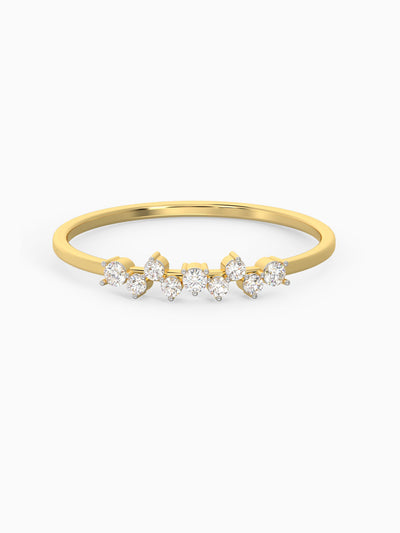
Anushka Sharma Gold Classic Elegance Diamond Ring
Regular price ₹12,837Sale price ₹12,837 Regular priceUnit price per₹16,698 -
Anushka Sharma Rose Gold Minimal Lab Grown Diamond Nose Pin
Regular price ₹19,675Sale price ₹19,675 Regular priceUnit price per₹21,888 -
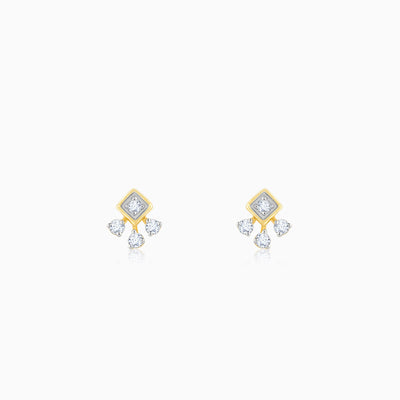
Gold Exquisite Trio Lab Grown Diamond Stud Earrings
Regular price ₹11,791Sale price ₹11,791 Regular priceUnit price per₹16,424 -
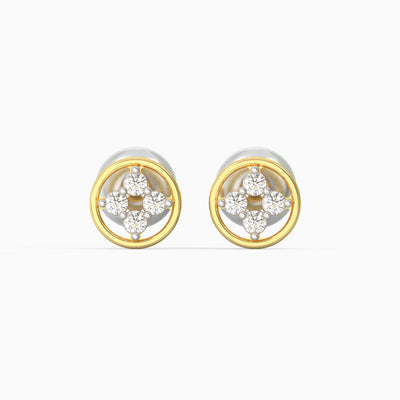
Anushka Sharma Gold Circular Quartet Diamond Stud Earrings
Regular price ₹14,181Sale price ₹14,181 Regular priceUnit price per₹18,762
-
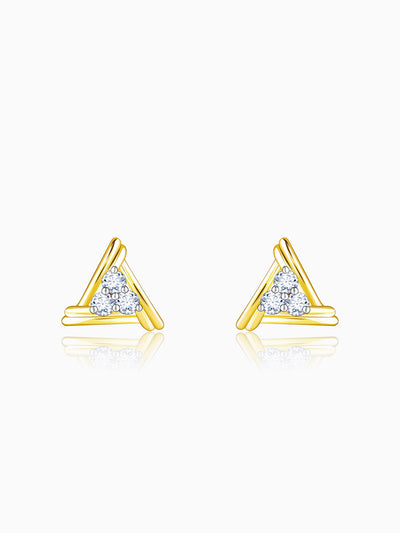
Anushka Sharma Gold Geometric Trio Diamond Earrings
Regular price ₹14,581Sale price ₹14,581 Regular priceUnit price per₹20,398 -
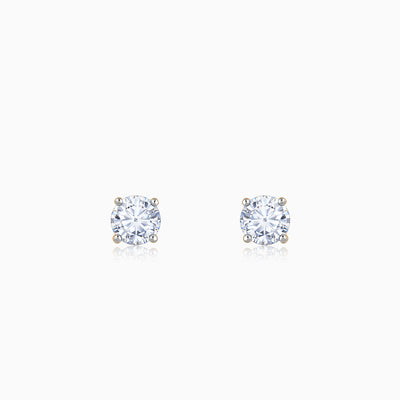
Anushka Sharma Gold Dot Bling Lab Grown Diamond Earrings
Regular price ₹18,493Sale price ₹18,493 Regular priceUnit price per₹21,736 -
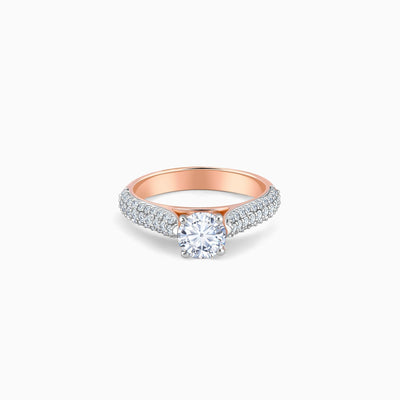
Rose Gold Solitaire Meraki Lab Grown Diamond Ring
Regular price ₹77,901Sale price ₹77,901 Regular priceUnit price per₹98,029 -
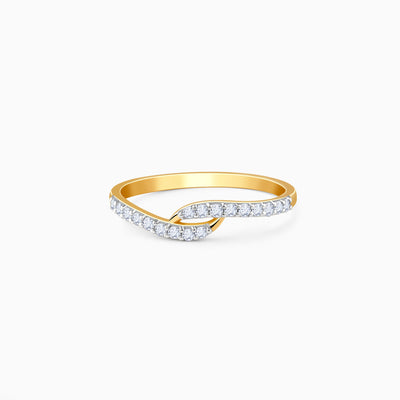
Gold Elira Wave Lab Grown Diamond Ring
Regular price ₹18,385Sale price ₹18,385 Regular priceUnit price per₹23,842



You May Also Like

Ask anyone who wears a gold nose pin every day, and they will tell you the same thing: It may be a single piece of jewellery, but its impact is undeniable....
Gold Nose Pins: Traditional Designs, Modern Styles and How to Choose
Ask anyone who wears a gold nose pin every day, and they will tell you the...

Jewellery is having a big moment in colour. Walk into any wedding, office or weekend brunch in 2026 and you’ll see deep emerald greens, ruby reds and sapphire blues on...
Synthetic Gemstone vs Natural Gemstone: Which One Is Right for Your Jewellery in 2026?
Jewellery is having a big moment in colour. Walk into any wedding, office or weekend...

Often a woman’s first piece of fine jewellery is a gold chain, and it’s usually the one she wears most. It will sit at your collarbone through office days, family...
Gold Chain Designs for Women: Types, Styles, Weight and How to Choose
Often a woman’s first piece of fine jewellery is a gold chain, and it’s usually...

At every Indian wedding, there is a small sound that no one forgets, the click of the mangalsutra clasp closing at the back of the bride’s neck. For years, that...
Best 15 Wedding Gold Necklace Designs for Brides: Traditional to Modern Styles
At every Indian wedding, there is a small sound that no one forgets, the click...

Few pieces of jewellery feel as personal as a bracelet. It rests close to your pulse, catches the light with every gesture and moves easily from a morning meeting to...
Gold Bracelet Designs for Women: 18K Styles, Weight, Types and Buying Tips
Few pieces of jewellery feel as personal as a bracelet. It rests close to your...

It is not just a piece of jewellery that a mangalsutra is. It's what your mum blessed before the wedding, what your mother in law checked twice and what you...
9K Gold Mangalsutra: Best Designs and How to Choose the Right One
It is not just a piece of jewellery that a mangalsutra is. It's what your...
