


Silver has a magic that seems effortless; cool-toned, splendid, and prestigious without ever trying too hard. Whether the silver is a finely detailed chain, a sculptural cocktail ring, or our beloved minimal daily wear, silver jewellery always has a special charm. As clean as silver looks on day one, it doesn't take long before most wearers will see the change; the gentle dulling of shine, the yellowish or blackish patches that start developing, and the slow shift from bright to dull.
This always leads the wearer to that common but slightly confusing quandary: Why does sterling silver lose its shine? This can be real 925 sterling silver after all. Is there any science behind this?
Absolutely! It is all chemistry. Grasping the lovely side of silver requires understanding its downfalls. The tarnish is not a fault in the metal; it is a result of the chemistry that occurs between silver and its environment. The chemistry taking place here is really interesting and relates to atomic motion along with chemistry changing at a molecular level in the environment around it, as well as biology in the human body.
This in-depth and exclusive breakdown will demystify the principles behind silver shine, tarnish, and aging, and demonstrate how esteemed companies like GIVA Silver jewellery work hard to conserve shine through careful workmanship and alloy makeup.
The Radiance of Silver: Why It Shines in the First Place
To recognise why shine diminishes we have to know why silver shines so beautifully in the beginning. The sparkle you perceive in 925 silver jewellery exists because of the way silver atoms interact with light as visible electromagnetic radiation. On a very small scale, silver is one of the most reflective metals known. In fact, pure silver reflects nearly 95% of visible light; a higher rate than gold and platinum!
The reason it reflects so well is related to the arrangement of electrons within silver. In metals, electrons are not tightly coupled to the atoms: they move freely and their movement forms what is scientifically described as an "electron sea". When light interacts with this sea of electrons, the electrons oscillate quite quickly and displace the light, causing the light to bounce and reflect outward away from silver's surface, thus what produces silver's unique, mirror-like shine.
But the brilliance of metals only remains as long as the surface is clean, unaffected, and stable with regard to chemical reactions. Once the surface interacts with itself or the surrounding environment, the chemistry changes and puts shine to pieces.
925 Sterling Silver: The Alloy Behind Everyday Luxury
As the name implies, most jewelry made with fine silver, specifically 925 sterling silver, is not completely pure silver, but there’s no need to worry. Pure silver (99.9%) is too soft to wear on a regular basis, it bends easily, scratches quickly, and cannot hold intricate shapes. This is why jewellers around the world turn to sterling silver, which is a scientifically engineered alloy.
925 silver jewellery is made with:
- 92.5% of pure silver and
- 7.5% of alloy metals (copper is the most common)
Copper increases strength while maintaining shimmer, but the alloying process also creates different chemical behaviours. Since copper is significantly more reactive than silver, copper tarnish will form more quickly, which is another good reason sterling silver may have more tarnish over time.
This is not a defect; it is just the nature of chemistry. Though, once we understand the purpose of copper, it’s not too difficult to accept that even sterling silver jewellery from reputable brands still needs some care.
Read more: Comprehensive guide to spot genuine 925 silver jewellery
The Science of Tarnish: Understanding Why Silver Gets Darker Over Time
Tarnish is not dirt. It's not a stain. It’s chemistry at work.
When an object made of silver comes into contact with sulfur-containing materials in the air, a chemical reaction occurs that results in silver sulfide, the dark coating on the surface of your jewellery. Even the highest quality 925 sterling silver experiences tarnishing because sulfur is present in air pollution, exhaust, cosmetics, perfumes, sweat, and some foods.
The Chemical Reaction of Tarnish
The reaction is:
2 Ag + H₂S → Ag₂S + H₂
So,
Silver (Ag) reacts with hydrogen sulfide (H₂S)
Then Ag + H₂S reacts to become silver sulfide (Ag₂S)
This generates hydrogen gas
Silver sulfide is black. That is, tarnished silver is dull, dark, or patched.
This thin layer of silver sulfide on jewellery inhibits light from reflecting off the surface, so the jewellery looks dull even though the silver itself remains untarnished.
Sources of Sulfur: What the Environment is Not Sharing with You
Sulfur compounds exist even in clean environments. These compounds can be invisible and often odorless in small amounts, but sulfur is normally strong enough to create tarnishing on silver jewellery.
These are the more indirect sources:
Air Pollution
Industrial emissions, vehicle exhaust, and smoke have sulfur oxides, which are fast-tracked into tarnishing. Silver jewellery in the city, depending on pollution levels, may tarnish faster than it would elsewhere.
Household Items
Rubber bands, paper, paints, some plastics, and even certain household cleaning chemicals, release sulfur compounds. If your jewellery is stored improperly these everyday products become tarnishing catalysts.
Beauty and Skincare Products
Deodorants, moisturisers, sunscreen, hair sprays, perfumes, and makeup may also include sulfur compounds or chemical components that oxidise easily.
Food
Certain foods, like onions, eggs, mustard, kale, broccoli, and even certain seafood, are able to emit sulfurous gases once they are exposed to oxygen. So even wearing your silver jewellery while cooking could also speed up dulling.
All of these things certainly assist in why your silver jewellery that you have looked after appears less shiny than when it was purchased.
Human Chemistry: Impact of Your Body Chemistry on Silver Jewellery
One other significant contributor to tarnish is your body chemistry. Each individual's sweat contains a unique profile based on the following:
- Hormones
- Diet
- Medications
- Skin pH
- Mineral content
- Microbial activity
Sweat contains chloride ions, lactic acid, urea, and trace sulfur compounds. When sweat interacts with sterling silver, especially the copper content, a reaction starts.
Someone with slightly more acidic sweat or higher levels of sulfur in their system will observe tarnishing occurring at a faster rate. This process is not an indicator of a poor quality metal, but rather the human body's unique chemistry at work along with a reaction.
Oxidation vs Tarnish: Two Processes That Are Often Confused
While people frequently use these two terms interchangeably, oxidation and tarnish are not the same process.
- Oxidation occurs when the copper in sterling silver reacts with oxygen, forming copper oxide, which can cause jewellery items to appear yellowish or dull.
- Tarnish occurs when a piece of silver reacts with sulfur, creating silver sulfide, which is dark or blackish in colour.
Overall, both chemical processes are responsible for loss of lustre but the darkening of silver sulfide makes it typically easier to identify and clean.
Once you know the difference, you can decide what applicable cleaning will suffice.
The Role of Humidity, Heat, and Moisture: The Unseen Factors That Reduce Shine
Environmental effects substantially contribute to the speed at which your 925 silver jewellery tarnishes.
Humidity
Humid air is a conductor and facilitates the speed of sulfur and oxygen particles. Areas with tropical climates, like many places in India, naturally speed up the tarnishing process.
Heat
Higher temperatures increase reaction rates. Keeping jewellery near heat, such as in a kitchen, on a car dashboard, or near hot water pipes, leads to quicker dulling.
Sweat and Water
Wearing silver while exercising, showering, or swimming introduces salt, chlorine, and minerals that increase corrosion and discoloration.
The more moisture introduced to silver, the more hastened the chemical reactions occur.
Why Newly Purchased Silver Can Tarnish So Fast (Seems)

Silver Deer Heart in Red Necklace
Sometimes, people notice that their new jewellery starts to tarnish sooner than expected, for this can be due to the micro-residues on the surface, residues that exist from either manufacturing, storage or handling. The residues can be:
- Natural skin oils from handling
- Humidity (inside packaging)
- Trace detergent
The residues become reactants and speed up the tarnishing process. Luxury brands will polish and use ultrasonic cleaners to minimise this, but the science is still the same; the moment silver comes into contact with the air, the clock begins ticking.
Read more: Guide to Caring for 925 silver jewellery I Keep Your Pieces Shiny and Beautiful
The Mirage of Dullness: When Silver Looks Cloudy but Isn’t Actually Tarnished
Once in a while, silver jewellery looks less shiny but isn't actually tarnished. This is referred to as "visual dullness" and is caused by micro-scratches. Although silver is soft (925 sterling silver also), it will experience fine scratches from daily wear, which creates scatters of light rather than a direct reflection.
These scratches are not damage, but simply natural wear and tear. A professional polish or gentle buff will easily restore clarity. This is where the skill and hand-crafted work of high-end brands comes into play.
The 925 Hallmarking: Reassurance, Not Protection
A common misconception is that 925 sterling silver hallmarking means that the jewellery will never tarnish. However, the hallmark only indicates that the metal is of certain purity. It does not alter the chemical interactions of the metal. No matter how high the purity of the silver is, it will still oxidise when exposed to air. The hallmark assures you of authenticity, long wear, and safe wearing, but it does not guarantee that the jewellery is not capable of tarnishing.
What it does guarantee is that the jewellery will withstand the continued cleaning and polishing, and not degrade like silver-plated or mixed-base metals.
How Silver Jewellery is Made To Prevent Tarnishing
Quality brands like GIVA use advanced finishing processes that delay the peeling away and ideal visibility:
Protective Coatings
Fine silver jewellery is often protected with a thin layer of anti-tarnish technology that is very hard and invisible. But, in reality it is very effective in resisting tarnish, it eventually comes off but will delay the initial change of colour by a great deal.
Rhodium Plating
Upon the shopping away of the protective layers, most pieces of fine silver jewellery are then coated with rhodium which is a member of the platinum family. Rhodium is also resistant to tarnishing, oxidation. Most importantly it adds a premium quality white finish that is, in the jeweling trade, determined by purity and brilliance.
Most rings, most earrings, bracelets, and most pendants were coated with rhodium before being presented for sale, and they will resist discoloration as well.
Surface Polishing
Polishing to a mirror finish diminishes any surface imperfections and minimises the area that can be affected by reactions.
Alloy Quality Control
The quality of the alloy metals (25%) in 925 silver is as important as the silver itself. Lower grade alloys introduce impurities that can speed tarnishing while higher-grade copper alloys can stabilise the structure.
These careful design considerations provide longevity and beauty for 925 silver jewellery that doesn't exist with untreated silver.
Read more: 925 Silver Jewellery Styling for Every Season
Do some people cause silver to tarnish more quickly? The Reality of Body Chemistry and Jewellery
If your answer was "yes," it's okay because you are correct! Science will back you up on this.
There are some people who have a higher sulfur amino acid consumption (for example, eating eggs, onions, garlic, red meat, etc.) and/or some unique metabolic peculiarities, which can cause tarnish to occur more quickly. There are also medication issues that can impact sweat composition, heightening sulfur output as a result of taking medications such as antihistamines, contraceptives, or diuretics.
All of this goes a long way to support why some people see tarnish in days or weeks, while others will maintain a shine for months. It's not about the quality of the metal, it simply rests on personal biology.
The Life Cycle of Silver Jewellery: From Shine to Tarnish and Back Again
Despite all these concerns, the life cycle of tarnish is reversible. Tarnish on silver is only a surface occurrence, as it does not damage the underlying metal, and silver can maintain its shine with some good cleaning, polishing, or the occasional replating.
Tarnish is not permanent; consider it a layer that can be removed.
How to Maintain the Shine of 925 Silver
The first step to maintaining shine, is to limit exposure. Remove silver jewellery before exercising, swimming, cooking or applying skin care products. Gently wipe the pieces with a microfiber cloth before storing it to remove any oils and moisture (these promote tarnish). Then, store the jewellery in an airtight pouch, away from rubber, and perfumes or cosmetics.
Regular cleaning with mild soap and water is the best way to prevent tarnish from building up on a surface. For heavy duty cleaning, you can use a silver dip or a polishing cloth, but use these sparingly for silver that has surface plating. Do not use any materials that can scratch the surface of the silver, like steel wool or sponge material.
For very nice silver, the best thing to do for the piece is to clean it professionally once or twice a year so that the Jewellery can maintain that new shiny look. Brands that offer a maintenance service can make the experience even more seamless, so that your accessory ages gracefully.
Reasons that Explain Why GIVA Silver Jewellery Remains Bright for a Longer Time
At GIVA, silver craftsmanship is an art and a science. Silver jewellery is made from 925 sterling silver (hallmarked) that is additionally finished using advanced methodologies of plating. Many GIVA jewellery designs benefit from additional anti-tarnishing process and high-grade plated finish (Layer). These advancements help GIVA jewellery remain bright and shiny, even in humid environments.
We as a part of the team take quality control seriously, making alloy composition, polishing and plating meet international quality control standards. This gives all customers the confidence that the jewellery isn't just beautiful, it is thoughtfully engineered for long-lasting shine.
Jewellery Shines, Science, and What Lasts
In many respects, silver is a living metal. Silver breathes, reacts, changes, and ages, much like the person who wears it. Losing its colour and shine is not a defect in the jewellery; rather, it is an expected reaction to chemical change. Once you appreciate the science, the change, even though it is frustrating, represents something meaningful, nature giving proof of a metal’s authenticity and of life used with it.
With tender loving care to your 925 silver jewellery, your jewellery will shine for many years. It is also the careful planning of the craftsmanship, the careful selection of precious metal alloy, and the protective coatings that luxury pieces not only continue to shine longer than traditional silver but shine longer than expected.
And, the best part is that, if over time, your jewellery has lost its meaning in its life, you do not need to worry. GIVA offers a lifetime replating service, so your pieces can be returned to original glow and shine. GIVA is a promise of longevity, craftsmanship, and the kind of aftercare that only a trusted brand can provide.
-
-
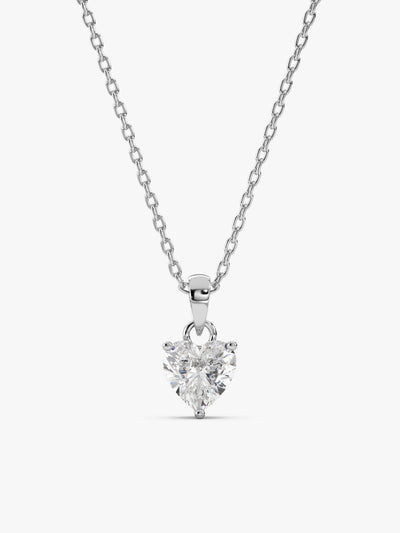
Silver Solitaire Heart Pendant with Link Chain
Regular price ₹1,999Sale price ₹1,999 Regular priceUnit price per₹5,799 -
Bestseller
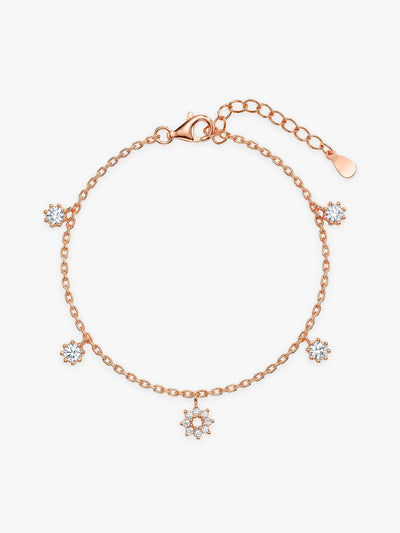
Rose Gold Flower Charm Bracelet
Regular price ₹2,399Sale price ₹2,399 Regular priceUnit price per₹5,299 -
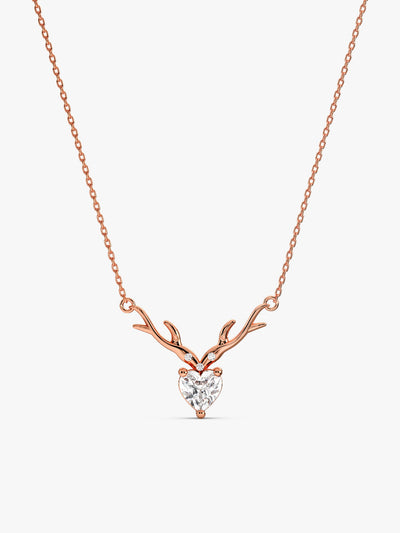
Rose Gold Deer Heart Necklace
Regular price ₹1,999Sale price ₹1,999 Regular priceUnit price per₹6,199
-
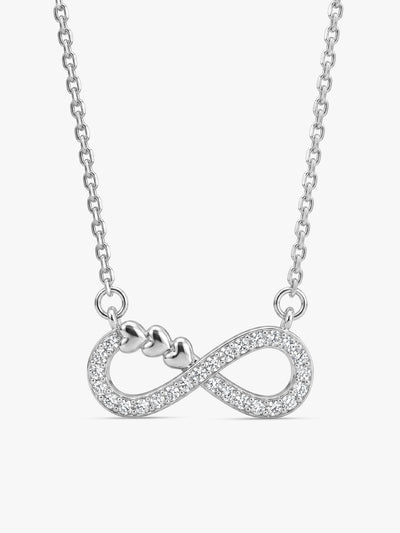
Silver Infinity Heart Necklace
Regular price ₹2,999Sale price ₹2,999 Regular priceUnit price per₹6,199 -
Bestseller
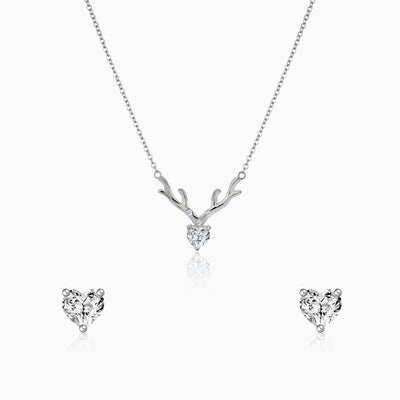
Silver Deer Solitaire Heart Set
Regular price ₹6,399Sale price ₹6,399 Regular priceUnit price per₹10,599 -
-
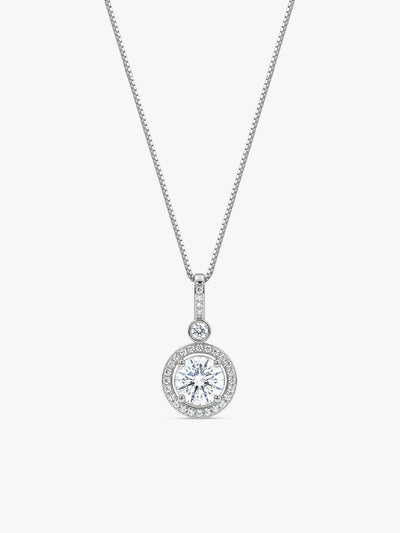
Silver Drizzle Drop Pendant with Box Chain
Regular price ₹2,999Sale price ₹2,999 Regular priceUnit price per₹6,199



You May Also Like

Nose piercing in India has never been just decoration. It sits at the crossroads of ritual, region and now, quietly, rebellion. A nose pin used to be something you wore...
Silver Nose Ring Guide: Types, Designs, Styling & How to Choose the Right One
Nose piercing in India has never been just decoration. It sits at the crossroads of...

Ask any Indian mother about wedding jewellery and she won’t begin with the mangalsutra. She’ll ask if you’ve picked your bichiya. It’s one of those quiet decisions that gets made...
Marriage Silver Toe Ring Designs: Traditional Bichiya, Meaning and Modern Styles
Ask any Indian mother about wedding jewellery and she won’t begin with the mangalsutra. She’ll...

If you've ever stood in front of your wardrobe on a wedding morning running your fingers over three different boxes trying to decide what actually goes together, you already know...
12 Jewellery Sets for Women for Weddings, Parties and Everyday Wear
If you've ever stood in front of your wardrobe on a wedding morning running your...

Between the ring you wear to work every day and the one you save for a wedding lunch, there’s a whole world of ring styles that most women only discover...
10 Silver Ring Designs for Women: Minimal, Everyday & Statement Styles
Between the ring you wear to work every day and the one you save for...

Table of Contents What Is a Bangle Bracelet and How Does It Fit into the Jewelry World? Bangle Bracelet vs Bracelet: The Core Differences Explained Exploring Styles: Bangle vs Bracelet...
What is the difference between a bangle bracelet and a bracelet?
Table of Contents What Is a Bangle Bracelet and How Does It Fit into the...

If you've spent even ten minutes on jewellery reels lately, you've probably wondered about cuff earrings vs climber earrings and which is best for your ear. An ear cuff wraps...
Cuff Earrings vs Climber Earrings: What's the Difference & Which Style Should You Choose?
If you've spent even ten minutes on jewellery reels lately, you've probably wondered about cuff...
