


By late winter's most fleeting breath, spring is nearing. People can't wait to enjoy the warmth of springtime sunshine & the sense of endless possibilities that come with it. The changing of the seasons from cold, frosty mornings to beautiful sunny afternoons is much more than just an environmental change; it is a moment of renewal, hope and growth.
In India, the festival of Makar Sankranti represents this change, signifying the transition of the sun into Capricorn and representing the start of longer and brighter days ahead.
For many people, Makar Sankranti Date (2026) will be meaningful because it offers a chance to start new beginnings and make significant transitions in their lives. Makar Sankranti has traditionally been related with the harvest, prosperity, & expressing our thanks. It is based on the idea of having an auspicious start; the potential to begin afresh, illuminated by the light of the sun. The festival provides an opportunity to create a new goal for yourself, strengthen the bonds of relationships with others, & attract positivity into your life.
For many, the festival of Makar Sankranti (2026) will represent a symbolic opportunity to let go of everything that no longer creates value & move forward positively into the future. The philosophy of renewed awareness has been the inspiration for the creators of GIVA, who create unique pieces of jewellery that enable celebrating significant moments in life. Each piece of GIVA reflects the creativity, intentionality, and optimistic spirit that accompany life's celebrations, just as Makar Sankranti does.
Makar Sankranti and its Astronomical Significance
Makar Sankranti refers to the astronomical event which takes place each year when the Sun is in the Capricorn constellation (Makara), as seen from Earth. It signifies that the Sun’s path has changed and is moving northward through the sky. This movement of the Sun will gradually increase the number of hours of daylight, as the Sun is moving away from its southern hemisphere towards the northern hemisphere, giving us longer, brighter days and a fresh burst of life to our planet.
In addition to its scientific applications, this transition also represents an important time spiritually, as per Hindu belief. Before this transition occurred ( Dakshinayan), the time period is referred to as “night of the gods”, representing inner contemplation and tranquillity, while Uttarayan was considered a “day of the gods”, representing enlightenment and positive energy. It is said that the blessings produced during this phase (such as prayers, charity or new business), will hold a greater benefit and reward when performed than they would otherwise.
Makar Sankranti has also been associated with agriculture, and is often known as the “Thanksgiving of India”, falling at or around the end of the harvest season in many regions. Therefore, farmers and their families came together to thank God for providing an abundance of natural resources to sustain both themselves and future generations. Makar Sankranti has been celebrated with various food and drink ceremonies and represents the connection between the cosmos, personal spiritual development, and the economic expansion of human beings.
Makar Sankranti 2026: Date, Punya Kaal, and Timings
Makar Sankranti (2026) likely will be on Wednesday, January 14, 2026. This day marks the beginning of Uttarayana (going toward the north) and is considered an auspicious day to start new ventures and rituals. This day marks the time of the transition of the sun into the zodiac sign of Makar (Capricorn), which is considered to bring happiness and prosperity.
This will be a brief guide to your Rituals and Planning of Makar Sankranti (2026) - key timings will help you prepare and plan accordingly.

- The time period known as Punya Kaal allows individuals to engage in Hindu rituals, including taking a holy bath, performing Surya puja, giving to charities (Daan), and performing spiritual practices with the highest level of benefit.
- The time period known as Maha Punya Kaal is especially effective for receiving blessings or connecting spiritually.
- The Makar Sankranti 2026 dates provide individuals with dates that will allow them to plan when to perform their spiritual rituals at optimal times based on cosmic timing and in accordance with tradition.
Key Highlights for 2026 Rituals:
The Daytime Transition: There is a transition period in the afternoon (3:13 pm), therefore all the major rituals and all charitable acts need to be completed on Wednesday January 14, 2026, before sunset.
Brahma Muhurta Snan: The Punya Kaal starts in the afternoon; however, it is still advisable to do a Brahma Muhurta Snan (approximately between 5:20 AM – 6:15 AM) for additional rituals for a healthy, purifying effect.
Buying Gifts and Prosperity: The Maha Punya Kaal is the best time ever to buy or give gold and silver; this will correspond to when solar energy reaches its highest point in the cycle of the Sun.
One Festival, Many Souls: How India Celebrates Sankranti
Sankranti in India is a festival that brings together the whole country but can be enjoyed differently in each part of the country. All forms of Sankranti are celebratory of the Sun changing signs through the year. Each place in India celebrates Sankranti also in accordance with its own culture, climate, crops, harvests, and community spirit; this makes the festival meaningful and special to the people of the region.
North India: Lohri and Maghi (Punjab & Haryana – bonfire, Rewri, and Bhangra)
The celebration begins a day before Makar Sankranti with Lohri, a lively winter festival featuring a large bonfire. Families and friends gather around this bonfire to offer sesame seeds, jaggery, peanuts, popcorn and a type of candy called rewrite as a token of appreciation. People sing folk songs, dance the Bhangra and Gidda, and gather in circles while dancing around the fire, creating an atmosphere of happiness and friendship. The following day, known as Maghi, is considered to be the true day of Makar Sankranti. On this day, people take holy baths, donate to charity, and start new ventures.
India's West - Uttarayan and Vasi Uttarayan - International Kite Festival (Gujarat)
The festival of Sankranti celebrates the coming of the sun into its northward position in the sky and has transformed Gujarat into a land of colour. The most important part of the festival is the International Kite Festival, which takes place in Gujarat. During this time, colourful kites fill the skies and rooftops and open areas are filled with people who try to fly their kites. The next day is Vasi Uttarayan, where people continue to celebrate and continue to have kite flying competitions with family and friends. There are many traditional snacks served during this time, such as undhiyu and chikki, and the importance of the sun's path is reiterated through the kite flights. The kite's upward flight reflects our rising hopes, freedom, and aspirations.
India's South - Pongal and Kanuma - Both Cooking Milk and Honouring the Cow (Tamil Nadu & Andhra Pradesh)
Makar Sankranti is celebrated in India as Pongal, a multi-day harvest festival. In Tamil Nadu, rice is harvested from the fields, and then it is boiled in a vessel (known as pongal pot), mixed with milk, and jaggery, causing it to overflow from the pongal pot, which is a symbol of prosperity and abundance, and thus makes us thankful to the Sun God. All of the houses during this time are decorated with Kolams and must have thanksgiving to the Sun God. Kanuma is celebrated in Andhra Pradesh and Telangana as a day to give thanks to cattle and remember the significant role cattle play in agribusiness. People celebrate Kanuma by decorating their cows, sharing meals, and gathering with their families as a sign of appreciation for what nature has given them.
East India: Poush Sankranti and Magh Bihu (Bengal & Assam – Pithe cakes and Meji bonfires)
East India- both Bengal and Assam, celebrate Poush Sankranti and Magh Bihu respectively, by preparing pithe, rice cakes filled with jaggery, coconut or sesame and many different varieties of pithe are produced in this celebration.
The Magh Bihu festival is celebrated in Assam as a way to celebrate community through large bonfires, known as Meji, celebrating the end of harvest season and being thankful for what people have been able to harvest. People come together during this celebration to pray together in gratitude for all that they have harvested, and to bring joy to each other and themselves. It is a way to express thanks and appreciation for the abundant harvest.
Central India: Sukarat and Khichdi Parv (UP & Bihar – the importance of black lentil khichdi)
Central India- In Central India, there are two festivals that are linked closely to Makar Sankranti- Sukarat and Khichdi Parv. Khichdi Parv is celebrated in both Uttar Pradesh and Bihar and the dish of khichdi made with Kalai dal is very important. This dish represents nourishment and simple sustenance, it is offered to deities, but is also eaten and shared with family members. In Madhya Pradesh, the Sukarat festival includes prayer, charity and seasonal foods and all of these traditions come together to emphasise humility, sharing and spiritual renewal, which are all part of the celebration of Makar Sankranti.
By comparing the many different expressions of culture that are associated with Makar Sankranti, we can see how one major event in the sky has woven together many cultures into one bright light.
Sacred Rituals to Follow on Makar Sankranti
The Holy Dip (Snan): Taking a holy dip from a sacred river like the Ganga, Yamuna, Godavari or Kaveri is considered to be one of the most significant rituals of Makar Sankranti festival. The practice of Snan, as the holy dip is referred to, is believed to clear one's past karmas and purify the soul.
From a spiritual perspective, bathing during Uttarayana, the period when the Sun is at its highest or most positive energy, carries great merit. It serves as a mechanism to wash away negativity and re-enter the new solar cycle with renewed focus and purpose.
The Ritual of Charity (Daana): Daana is the ritual of charity. During Makar Sankranti daana is associated with compassion and abundance which are key themes of the festival. The giving of items like black sesame ( also called til in Hindi), warm clothing, and blankets is seen as highly auspicious. Black sesame absorbs excess negativity, while blankets and clothing provide warmth to vulnerable people in the cold winter months. The sharing of gifts of gold, because of its relationship with the sun and its association with wealth and prosperity, represents long-term health and prosperity. There is an important message with the act of daana; when provided through the act of daana, true prosperity increases with sharing.
The Culinary Tradition of Till-Gul: Til-gul is a traditional sweet made from sesame and jaggery is used not only as a festive sweet but also represents a seasonally based understanding of food and nutrition. Sesame has warming properties and helps to strengthen the immune system. Jaggery aids in digestion and provides immediate energy for staying warm in the winter months. When someone exchanges til-gul while saying "Til-gul ghya, god god bola," they are promoting sweetness in their words, harmony in their relationships; thus, food becomes a source of nourishment as well as goodwill.
In summary, these practices help to create the celebration of Makar Sankranti around ideas of cleaning, giving, and living mindfully.
Upgrading Your Festive Glow: Makar Sankranti Styling Tips
Makar Sankratri is not only about spiritual renewal but also about celebrating prosperity and flourishing abundance, which therefore calls for beautiful and elegant solutions for festival attire as well as gifts that carry deep significance.
Festive Makeup and Clothing Styles - Sankratri Fashion Trend is strongly influenced by Tradition however, continues to evolve to reflect Modern Trends. Today, Sankratri Styles combine Symbols and Elegant Simplicity.
Symbolic Power of Gold- The act of purchasing gold during Makar Sankranti opens up the flow of Blessings from Goddess Lakshmi, the God and Goddess of Wealth and Prosperity. Central to the transition from one season to another (Uttarayan) on this festival day, Gold represents the Power of the Sun; Gold represents Success, Solid Grounding and Positive Energy. The act of gifting Gold or Gold Plated Items indicates the Gifter's future financial and emotional health; therefore, Provides Positive Experience For The Gifter's, the Gifter's family and friends.
A New Approach to an Old Celebration:
Traditionalist Sankranti Celebrations have historically utilised a style of heavily ornate and elaborate Heritage Jewels. Modern Festive Fashion eliminates this notion and uses a "Minimalist" Approach. Simplicity in design combined with lightweight materials and versatility makes for a compelling framework for celebrations lasting all day and allowing for easy styling. Subtle necklaces and minimal earrings lend themselves to celebrating Tradition while allowing for comfort and Modern Aesthetic appeal.
If you're searching for a jewellery store near me for that perfect gift that captures both the sentiment of giving as well as the fashionable aspect, GIVA provides a very smooth transition process. A Focus on Purity, Craftsmanship, and Timeless Designs; GIVA creates beautiful pieces of Jewellery that fit within the meaning of New Beginnings, therefore making it an excellent choice for both yourself and your loved ones this Sankranti Season.
5 GIVA Picks to Help You Shine for Sankranti
Gold Plated Necklace: A delightful everyday gold plated necklace reflecting sunshine.
Classic Gold-Plated Studs: Eye-catching, versatile stud earrings are lovely for a festive morning.
Gold Accent Pearl Earrings: Representing purity and tranquillity, these pearl earrings are a perfect match with traditional attire.
Sleek Gold-Plated Ring: A subtle accent that symbolizes new beginnings.
Meaningful Pendant Necklace: This beautiful yet lightweight pendant offers endless possibilities for styling even after Sankranti.
By mixing thoughtful fashion choices with purposeful gifting, Makar Sankranti can be a beautiful celebration of light, peace, and prosperity.
2026 Makar Sankranti is a day to celebrate!
When celebrating Makar Sankranti, focus on the positives by following the following dos and don'ts:
Do’s:
If possible, take a holy bath early in the morning or when the sun rises (Punya Kaal).
Wear light-coloured or yellow-toned clothing to honour the sun for bringing positivity.
Eat foods that are warming - til, jaggery, khichdi, and seasonally appropriate foods will help you stay warm and balanced.
Perform a simple Surya puja at home using water, flowers, and prayers to offer to the sun in the morning.
Offer sesame seeds, warm clothes, and food as an act of kindness and gratitude.
Don'ts:
Don’t eat heavy, oily, or stale foods that may lead to sluggish digestion in the winter months.
Do not use negative words or argue with your family and friends because this day represents new, sweet beginnings.
Don’t waste food or other resources on this day since Makar Sankranti is about celebrating abundance and being responsible with it.
Celebrating Mindfully will provide you with a spiritually uplifting and nourishing experience on Makar Sankranti 2026!
A Day to Start Fresh!
Makar Sankranti is a time for us all to come together in the name of renewal, thankfulness and oneness. As the Sun moves northward, we honour the cycles of nature by coming together to celebrate many different traditions with this same message. We celebrate the beauty of Mother Earth, the importance of family and friends, and the beginning of a new year with clarity and optimism. The auspiciousness of this festival is an opportunity to celebrate with mindful intentions for your new beginnings. GIVA invites you to visit any one of their stores today and select jewellery that represents your pledge to yourself: that you will be kinder, more purposeful, and more present this year than ever before.
-
-
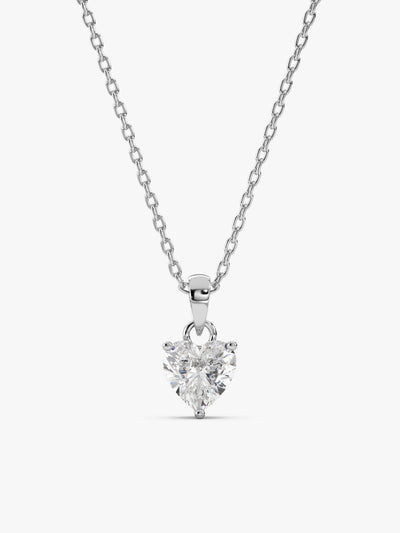
Silver Solitaire Heart Pendant with Link Chain
Regular price ₹1,999Sale price ₹1,999 Regular priceUnit price per₹5,799 -
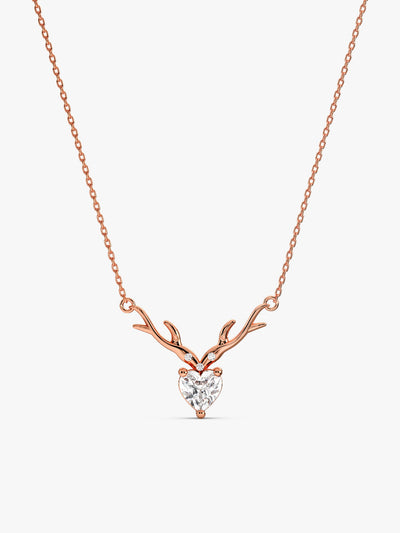
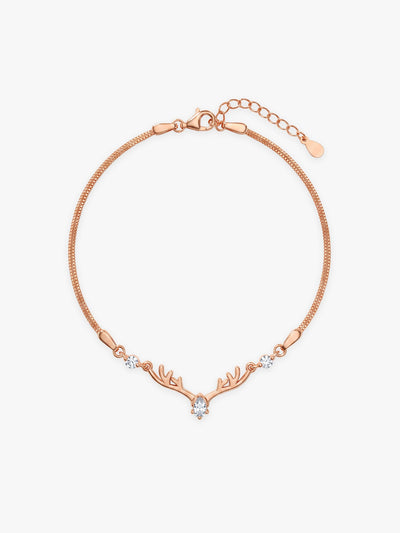
Rose Gold Deer Heart Necklace
Regular price ₹1,999Sale price ₹1,999 Regular priceUnit price per₹6,199 -

Silver Infinity Heart Necklace
Regular price ₹2,999Sale price ₹2,999 Regular priceUnit price per₹6,199
-
Bestseller
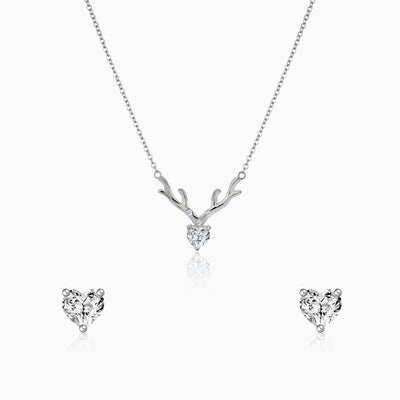
Silver Deer Solitaire Heart Set
Regular price ₹6,399Sale price ₹6,399 Regular priceUnit price per₹10,599 -
-
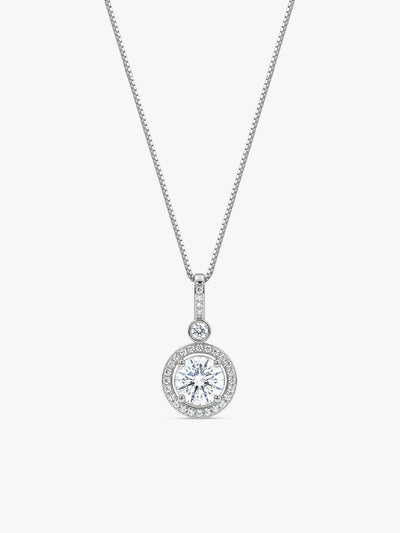
Silver Drizzle Drop Pendant with Box Chain
Regular price ₹2,999Sale price ₹2,999 Regular priceUnit price per₹6,199 -
Bestseller



You May Also Like

Nose piercing in India has never been just decoration. It sits at the crossroads of ritual, region and now, quietly, rebellion. A nose pin used to be something you wore...
Silver Nose Ring Guide: Types, Designs, Styling & How to Choose the Right One
Nose piercing in India has never been just decoration. It sits at the crossroads of...

Ask any Indian mother about wedding jewellery and she won’t begin with the mangalsutra. She’ll ask if you’ve picked your bichiya. It’s one of those quiet decisions that gets made...
Marriage Silver Toe Ring Designs: Traditional Bichiya, Meaning and Modern Styles
Ask any Indian mother about wedding jewellery and she won’t begin with the mangalsutra. She’ll...

If you've ever stood in front of your wardrobe on a wedding morning running your fingers over three different boxes trying to decide what actually goes together, you already know...
12 Jewellery Sets for Women for Weddings, Parties and Everyday Wear
If you've ever stood in front of your wardrobe on a wedding morning running your...

Between the ring you wear to work every day and the one you save for a wedding lunch, there’s a whole world of ring styles that most women only discover...
10 Silver Ring Designs for Women: Minimal, Everyday & Statement Styles
Between the ring you wear to work every day and the one you save for...

Table of Contents What Is a Bangle Bracelet and How Does It Fit into the Jewelry World? Bangle Bracelet vs Bracelet: The Core Differences Explained Exploring Styles: Bangle vs Bracelet...
What is the difference between a bangle bracelet and a bracelet?
Table of Contents What Is a Bangle Bracelet and How Does It Fit into the...

If you've spent even ten minutes on jewellery reels lately, you've probably wondered about cuff earrings vs climber earrings and which is best for your ear. An ear cuff wraps...
Cuff Earrings vs Climber Earrings: What's the Difference & Which Style Should You Choose?
If you've spent even ten minutes on jewellery reels lately, you've probably wondered about cuff...
