


For centuries, Gold has won the hearts of millions for its shine, warmth, and value. Whether it's a small chain worn daily or a precious bangle from your grandmother, gold jewellery has a sense of charm that feels endless. However, even the most detailed crafted pieces may eventually look a bit lackluster.
This look does not compromise the value or beauty of gold jewellery. Rather, it is just a reflection of the wear and tear on your jewellery from the world, your lifestyle, and the materials it comes into contact with. This guide will walk you through why your gold jewellery may start to look dull over time, the science of that process, and what techniques you can incorporate to help your pieces shine on your wrist and enjoy their beauty for years.
Gold never actually tarnishes, it is stability-based, lasting, and has integrity. The only issue is the environment surrounding your jewellery and the materials used to create the alloys mixed with pure gold to be stable. We will navigate through all of this in an easy to digest, scientific, and practical way.
What Actually Happens to Gold Jewellery Over Time? A Brief Overview
Gold will not dull or lose its colour because it is weak. It is actually one of the toughest metals on the planet. However, once gold is made into wearable jewellery, it is almost always in an alloy with another metal (like copper, silver, nickel, or zinc) to create a stronger piece of jewellery. The only other metals in a gold alloy will react with the environment in some way, causing small changes to the piece. The shine you notice when you purchase a new piece of jewellery isn't gone, but it is covered up with surface interaction including:
- Buildup of oils
- Environmental contaminants
- Tiny scratches incurred while being worn
- Residue from products
- Interaction between any alloy metals and the surroundings
All of this causes gold jewellery to appear slightly less shiny than at the time of purchase under the bright lights of the showroom. Now, let's get into the details.
Why Your Gold Jewellery May Lose Its Shine: A Complete Breakdown

Made With 14K Gold And Lab-Grown Diamonds
1. Alloy Metal Reaction - The Real Reason for Dullness
Pure Gold is too soft to be worn every day (24K) so the jeweller will mix pure gold with stronger metal(s) to create an alloy. These alloy metal(s) - silver, copper, etc., actually react with:
- Air
- Moisture
- Sweat
- Cosmetics
- Pollution
1.1 How Alloy Metal(s) react with the Air
Gold does not oxidise, but requires metals such as copper and silver that do oxidise. This can begin to create a film on the surface that lowers the reflective shine of the piece. This is not tarnish in the true sense, but rather a gentle surface change. This change is fully reversible.
1.2 Reaction with Sweat and Skin Chemistry
The natural pH and oils of your skin can affect the way the metal blend reacts. Some people's skin is more acidic than others, which may speed up:
- Small surface tarnishing
- Losing shine due to oils collecting
- Faster reactions with the metal's alloy component
- It does not damage the jewellery; it is just the natural process.
2. Daily Use and Abuse: The Quiet Effect
Gold jewellery encounters your clothing, furnishings, and even your own skin all day. This is where it creates microscopic "abuse" on the jewellery. A tiny scratch will scatter light rather than reflect it in an even pattern. That is why jewellery begins to lose some of its luster.
2.1 Fabric Friction as an Everyday Occurrence
Fabric using woven textured blends, something like wool, denim, cotton rib, or synthetics, will rub against gold as it is worn, grinding away more of the mirror finish.
2.2 Wearing Jewellery to Bed
Wearing jewellery to bed is probably common, but it adds continuous rubbing when you rollover, rub against pillows, sheets, and your own body. Each of these can wear a little away at its appearance sooner.
2.3 Stacking Multiple Gold Jewellery Pieces
Current trends with "almost limitless" layering jewellery, stacking rings or lots of chain necklaces; look stunning together, but they contribute to more friction on the understanding of this combination. Direct friction of metal against metal polishes tiny amounts of the gold surface away over time. So when you think about what you have always observed?, this just adds mass-to-mass contact in daily wear.
Read more: Discover the 18K Gold Pendants For Your Everyday Look
3. Environmental Contact: Situations and Concerns You're Not Responsible For"
Gold is constantly coming in contact, and in some cases, is undetectable
3.1 Air Pollution and Dust
Very small dust particles will actually adhere to your jewellery and create built-up layers, diminishing the reflective nature of the item. Whether you experienced a heat wave in Delhi or enjoyed your time at the beach, or another day with higher pollution levels. Gold will experience it all.
3.2 Humidity and Moisture
Moisture itself does not alter the gold, but it can affect the metals in the alloy. High humidity creates:
- Oxidation of the alloy metals
- Heavy retention of oil and dust
- Heavy retention of micro particles
All of this has an effect on the wholeness of your jewellery.
3.3 Exposure to Water (Tap, Pool, Rain)
Chlorine from swimming pools and specific minerals in tap water are not ideal environments for alloy metals. Prolonged exposure will gradually begin to have a noticeable impact on the polish of the piece.
Read more: Everything About 9K Gold Rings Before You Buy
4. Product Build-Up: The Concealed Offender
Anything that you apply to your skin on a daily basis is deposited onto your jewellery.
4.1 Cosmetic and Skincare Products
Creams, lotions, perfumes, and body oils all adhere to gold surfaces easily. Over time, these various substances create a film which causes shine to be subdued.
4.2 Hair Apparatus
If you wear necklaces or earrings frequently, hair products such as sprays, serums, and dry shampoos settle onto them.
4.3 Hand Sanitizers and Creams
For gold rings, this is a big offender. Alcohol may make the surface dry temporarily, but oils and heavier cream products cause dust to get trapped on the surface.
Every product you layer onto your skin makes your gold look a little less shiny - when in fact the gold underneath is just fine!
Read more: Trendy Daily Wear Gold Rings for Women – Best Designs to Elevate Your Style
5. Storage Habits: How You Store Your Gold Is Important
Jewellery boxes, pouches, and drawers are all factors.
5.1 Storing Gold with Other Metals
Gold stored next to silver, brass, and/or imitation jewellery can collect oxidised materials or moisture from adjoining metals which may alter the surface quality of gold.
5.2 Exposure to Air During Storage
If your jewellery box is non-airtight, moisture and air will gradually cause the alloy metals to be more ambient or interact with the air slightly.
5.3 Pooling Jewellery into One Alcove
Pieces rub against one another when placed together which causes scratches and adversely alters the surface symmetry that the piece was intended to thrive from.
6. Difference Between Loss of Shine and Tarnishing
6.1 Loss of shine ≠ tarnishing
Tarnishing is darkening or discoloration due to some type of chemical reaction (usually with silver). Gold will not tarnish.
Loss of shine is simply:
- A gentle surface effect,
- A build-up of everyday substances, and
- Light friction.
Your gold jewellery is still as precious and as beautiful, it just needs reviving.
Read more: 9k vs 14k vs 18k Gold: Which Karat Gold is Best for Daily Wear?
An Ultimate Guide to Keeping Gold Jewellery Shiny

Made With 18K Gold And Lab-Grown Diamonds
Now that you understand what causes the loss of shine, let's focus on how to maintain it.
1. Clean Regularly
Cleaning gold jewellery at home is quick and extremely effective.
1.1 Mild Soap + Warm Water
- Soak for 15 to 20 minutes
- Soft-bristle brush
- Rinse and pat dry
1.2 Microfiber Cloth Polishing
This is a quick way to take away oils and restore luster.
1.3 Avoid Harsh Cleaners
Gold does not require any bleach, antibacterial solutions, or strong detergents.
2. Smart Ways to Wear Jewellery
2.1 Put All Jewellery on Last
After you put on makeup, lotion, sunscreen, and perfume.
2.2 Take It Off Before You Do Anything
-Gym
-Swimming
-Cooking (especially if you're using spices/oils)
-Gardening
-Cleaning
2.3 Limit Contact with Rough Fabrics
Primarily scarves, knits, and jackets.
3. Perfect Storage Practices
3.1 Use Individual Soft Pouches
Helps prevent scratching of your jewellery.
3.2 Airtight Boxes Help
Less moisture means less interaction with the alloys.
3.3 Silica gel packs
Prevents humidity.
4. Occasional Professional Cleaning
Your jeweller can polish your gold with commercial tools that return your jewellery to its original shine without affecting the metal. Once or twice a year is sufficient for jewellery worn on a regular basis.
Read more: Want to know if the gold is real? Go for Gold Purity Check
5. Comprehending Karat and Luster Retention
Gold purity varies in usefulness
5.1 24K Gold
Softest & most luxurious, has natural sheen.
Best choice for very sporadic use
5.2 22K Gold
Most common among Indian households
Rich colour, durable
Will develop dullness if used very often due to alloys
5.3 18K Gold
Greater strength
Better response to maintaining shine in modern daily jewellery
When you know what you have, you can maintain the 18K gold jewellery more strategically.
Additional Factors Influencing Shine Over the Years

Made With 18K Gold
1. Your Region
- Beaches
- High in the atmosphere moisture
- Warm temperate zones
- Densely populated areas that include pollution
All this adds to losing the surface shine due to moisture and pollutants.
2. Your Habits
- Everyday users of some kind of jewellery
- People who go to the gym or train at a gym or outdoors
- Employees who work outdoors
- Frequent flyers
- Heavy users of skincare
These people will see dull gemstones quicker than someone who wears a stone occasionally.
3. Usage
- The more often you wear a piece of jewellery, the more friction.
- More friction contributes to less shine over time.
This is normal, natural, and expected and easily reversible.
Read more: Choosing the Right Gold: Comparing 10K, 14K, 18K, 22K ,24K
Debunking Misconceptions on Gold Losing Its Shine
1. "The Gold Gets Used and Loses its Integrity"
False.
Gold will never lose its intrinsic value, nor its purity.
2. "If it does lose its luster, it must be fake"
This is not true.
Even the purest gold can become cloudy due to build-up on the surface.
3. "Gold will tarnish if exposed to water"
Not true.
Gold is one of the least reactive metals in existence.
4. "You should not wear gold on a daily basis"
Gold was made to be worn every day--you just have to clean it from time to time.
Why You Don't Need to Be Concerned About Shine Loss
Gold jewellery does not lose its shine due to damage - it loses its shine due to life. Every moment you wear it:
- You touch it
- It touches the world
- It accumulates memories
- It experiences your daily routine
All of these experiences create character over time. It does not take much to make it shiny again with a simple clean.
Treating it like polishing silverware or washing your favourite pair of shoes; there is nothing wrong with maintaining it.
Read more: Try the best ways of Gold purity check at home today
Gold Is Always Glorious - Just Needs a Little Love
Knowing why gold jewellery seems to lose its lustre allows you to look after it rather than worrying about it. The metal itself is pristine, untouched, and precious.
Wearing it carefully, cleaning it regularly and storing it smartly will ensure your gold, gemstone, or diamond jewellery continues to shine as brilliantly as the day you first pulled it out of its box.
And if you are looking to enhance your collection with beautiful, hand designed pieces that are beautiful and crafted with craftsmanship in every detail, check out Heer by GIVA Gold Jewellery Collection. Elegant chains, timeless rings and modern gold jewellery designed to shine beautifully today and always.
-
-
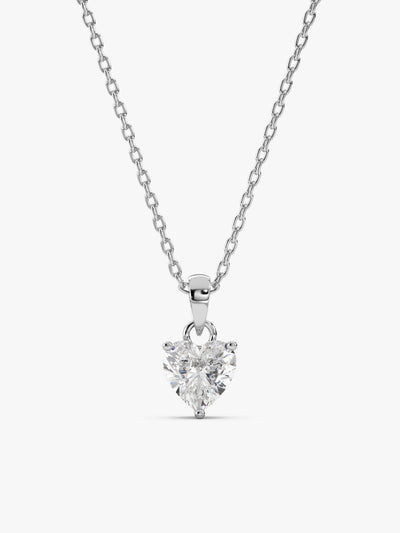
Silver Solitaire Heart Pendant with Link Chain
Regular price ₹1,999Sale price ₹1,999 Regular priceUnit price per₹5,799 -
Bestseller
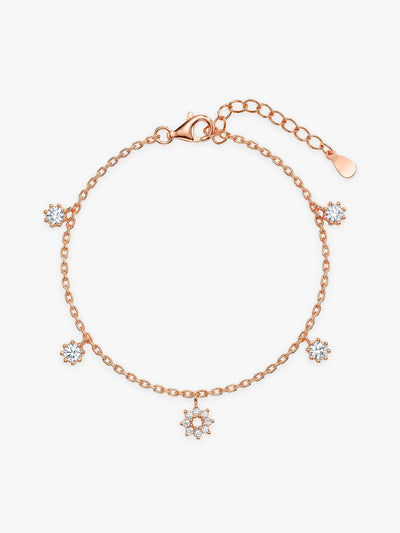
Rose Gold Flower Charm Bracelet
Regular price ₹2,399Sale price ₹2,399 Regular priceUnit price per₹5,299 -
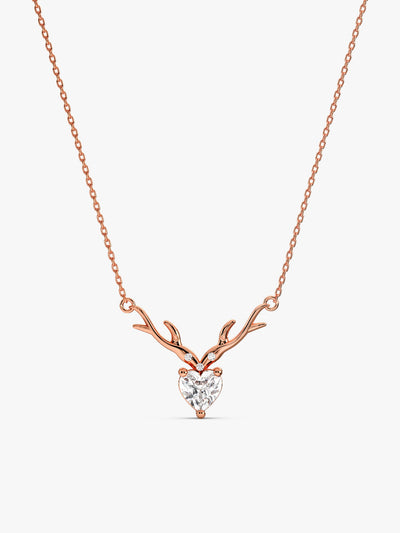
Rose Gold Deer Heart Necklace
Regular price ₹1,999Sale price ₹1,999 Regular priceUnit price per₹6,199
-
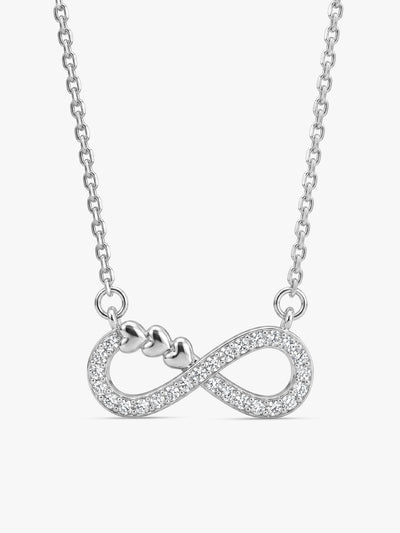
Silver Infinity Heart Necklace
Regular price ₹2,999Sale price ₹2,999 Regular priceUnit price per₹6,199 -
Bestseller
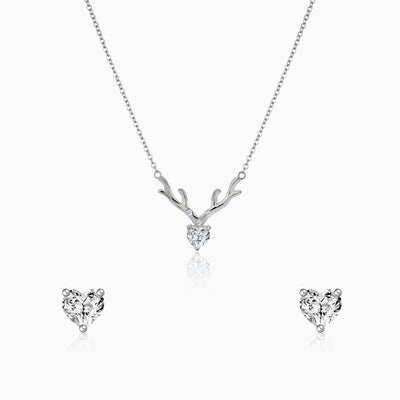
Silver Deer Solitaire Heart Set
Regular price ₹6,399Sale price ₹6,399 Regular priceUnit price per₹10,599 -
-
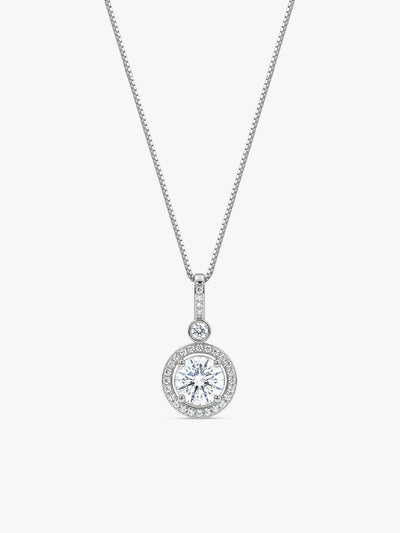
Silver Drizzle Drop Pendant with Box Chain
Regular price ₹2,999Sale price ₹2,999 Regular priceUnit price per₹6,199



You May Also Like

If you have ever stood at a jewellery counter and heard the words kangan and kangni being used almost interchangeably, you are not alone. Most Indian families use both terms...
Kangan vs. Kangni: What Is the Difference Between Kangan and Kangni?
If you have ever stood at a jewellery counter and heard the words kangan and...

A gold kada for ladies is a solid gold band mostly unbroken and worn on the wrist. It has more of a cuff feel than the thin bangles. It has...
Gold Kada for Women: Designs, Styles, Weight & How to Choose
A gold kada for ladies is a solid gold band mostly unbroken and worn on...

You already know that not every gold earring design for female wear is meant for the same moment if you have ever stood in front of your jewellery box wondering...
Gold Earring Designs for Women: Choosing the Right Style for Every Occasion
You already know that not every gold earring design for female wear is meant for...

There is a reason why almost every Indian woman’s jewellery box has at least one pair of gold tops tucked into a corner, even if she has fifty other things....
Top 12 Gold Tops for Women: Designs for Daily, Office and Festive Wear
There is a reason why almost every Indian woman’s jewellery box has at least one...

Go into any jewellery shop in India during the wedding season and you will see it. Two counters next to each other. One with temple motifs and filigree work passed...
Latest Indian Gold Jewellery Designs: Traditional Heritage Meets Modern Style
Go into any jewellery shop in India during the wedding season and you will see...

Every festive season, a similar question comes up in some family WhatsApp groups across the country: Should we buy real gold or go for one gram gold jewellery this time?...
1 Gram Gold Jewellery Explained: Meaning, Price, Purity and What to Know Before Buying
Every festive season, a similar question comes up in some family WhatsApp groups across the...
