


Doljanchi, the first birthday, is a very important event in Korean culture. Doljanchi is based on customs that have been present for a long time. Not only is it a celebration of a year of life, but also of survival, blessings, and the prospect of a better future. A child's first birthday was a time of great happiness and thankfulness. Families got together to pray for the child's safety and a long, healthy life.
The Dol-banji is a dainty 24K gold ring that is the focus of this celebration. The baby got it. The Dol-banji is modest yet incredibly important. It means health, riches, and a long life. People picked gold on purpose since it is supposed to protect against evil energy and represent for purity. Instead of only being a decoration, Korean jewellery became a significant part of the ritual. People frequently preserve the Dol-banji as a memory, and it is a physical reminder of love, protection, and blessings from their ancestors.
Doljanchi celebrations today may mix old and new customs, but the meaning is still the same. The Dol-banji still signifies the start of a life full of promise, thus the first birthday is more than just a party; it's a golden legacy.
Understanding Dol-banji: The Tradition of the 24K Gold Ring
The tradition of presenting a Dol-banji, a 24K gold ring, as a gift at a child’s Doljanchi. Although it may seem simple in its visual appearance, a Dol-banji is not just another piece of jewellery; it also represents good health, longevity and wishes for prosperity throughout one's life.
What distinguishes a Dol-banji from other gifts is that it is made of 24-Karat pure gold, which is considered to be highly refined. In many ways, pure gold is viewed by the Korean people as an immutable form of wealth and eternal existence. Because 24 karat is made up of 99.9% gold, the Koreans think of pure gold as something that is fixed and enduring where all other forms of alloys, and there are innumerable types of alloys are subject to change based on the mixtures used. Therefore, the act of giving a Dol-banji in this highly purified form indicates that the child’s future is one of stability, prosperity and protection against misfortune.
In Korea, the traditional weight of a Dol-banji is 3.75 grams, or Don, a historic unit of measure related to gifting. Culture of Gold and Gold Gift Giving for auspicious occasions for children. This weight is based on thousands of years' worth of gifting customs in Korea that identify certain weights with notable children’s events or milestones. Generations past, gold ceremonial jewellers would continue to use the Don, thus linking ourselves to our ancestors.
Unlike modern styles of jewellery that incorporate intricate designs or use of metals, ceremonial Korean Jewellery created for the Doljanchi ceremony will be made using pure materials, thus symbolising the gift itself. The Dolisan may be simple and unembellished; instead, the Gold's value and meaning should be highlighted. Because of its purity and weight and using historically significant materials, this Dolbanji gift will become an enduring legacy created through generations of conveying wishes to one another.
Read more: Avail Zero Making Charges on Gold Jewellery
Why Gold? What Gold Jewellery Means in Korean Culture
In Korea, gold jewellery has always meant more than just beauty or status. People often call it "wearable insurance," which means it's a type of protection that can be carried, worn, and passed down through generations. This belief is why gold is so important in life-cycle rituals, especially those that involve kids.
In the past, families had to deal with wars, bad economies, and not being able to save money formally. Gold was a safe investment for everyone back then. Giving a child gold was not a show of wealth; it was a very practical choice. People gave things like a gold necklace, bracelets, or the cherished Dol-banji gift with the understanding that they could be sold or traded to pay for school, medical care, or family emergencies if things got tough. Gold made sure that a child would always have some kind of help.
This is why people often chose gold jewellery that was pure or almost pure: it kept its value no matter what the trends or the quality of the work. Even simple designs were very valuable because they were meant to keep people safe, not to show off. Parents and older people thought of gold as a promise that would help you survive no matter what.
The Dol-banji gift is a great example of this way of thinking. It is modest yet vital since it symbolises love, responsibility, and forethought. Families put gold on their child in their first year of life as a way to show that they were financially safe. This net may discreetly keep them safe for a long time after the party has ended.
The Gold Ring Takes Centre Stage at the Doljanchi Ceremony
Doljanchi as a celebration of a milestone
The Doljanchi ceremony is a baby's first birthday party that celebrates life, blessings, and hopes for the future. Every part of the celebration has a symbolic meaning, with a focus on protection and prosperity.
The Doljabi ceremony: telling the child's future
Doljabi, a fun but important tradition, is the main part of Doljanchi. The baby is sitting in front of symbolic objects, each of which stands for a possible way of life:
- A pen or book stands for knowledge and doing well in school.
- Coins or money are symbols of wealth and financial success.
- A thread means a long life and good health.
People think that the thing the baby reaches for will tell them about their future.
Guests as "capital" providers
The baby chooses their fate in a symbolic way, but family and guests help make that future possible. Traditionally, this help comes in the form of gold, especially the Dol-banji, a 24K gold ring that is given directly to the child.
Why the Dol-banji comes first
The Dol-banji is the most important gift because it is only for the baby. It stands for health, wealth, and safety for life. It is both a blessing and a way to protect your money.
New ways of thinking about giving gifts
In modern celebrations, some guests choose different gold gifts, like a gold bracelet or ring for women, that are usually meant for the mother. Even though they are thoughtful, these modern choices take the focus off the child.
Tradition at the heart
Even though styles change, the 24K gold ring for babies that is the heart of Doljanchi has not changed. It is given not as a fashion statement, but as a gift for the child's future.
Read more: Elegant Floral Jewellery Designs for Your Baby Shower
The Evolution of Gifting: The Transition From Gold Rings To Modern Gold Jewellery
Today, the transformation of Korean gifting from gold rings to modern gold jewellery has been particularly interesting with the rise of millennial and Gen Z parents becoming the leaders of this tradition. Although the gold ring has always held an important historical role, the way in which we view the visual style of the Doljanchi is changing toward greater versatility. Whereas previously, a 24K gold band may have been placed in a bank safety deposit box as a form of pure investment, we see a growing trend for parents who want to give "wearable heritage" to their children, which is something that they can wear for family portraits and as a stylish reminder for mothers on this important milestone.
Contemporary jewellery retailers have taken advantage of this shift in focus, allowing them to redefine what ceremonial gold signifies. Collections like Heer by GIVA represent the fusion of traditional 24K gold sentiment with high-end contemporary design through craftsmanship and hallmark purity. Gift-givers are moving away from the traditional plain band and towards modern, gold necklaces with minimalist charms or initials. Not only do these pieces allow for the honoring of the custom of "gold-giving," but they also fit better with a contemporary wardrobe than the chunky, traditional style of gold ornamentation.
The emergence of "mommy-and-me" jewellery sets has changed the traditional gift of a child's first birthday. Many parents are purchasing coordinated gold necklaces and/or gold bracelets that share the same design elements as their infant kid’s jewellery. The changing landscape of jewellery in Korea reflects a larger societal shift from simple bullion-based value to more artistic expression. While the traditional 24K gold ring will likely always be at the center of the Doljanchi ceremony, the addition of sleek and curated pieces will ensure that this time-honored ceremony remains relevant and fashionable in an increasingly globalised marketplace.
Read more: Why Jewellery Makes the Perfect 1st Birthday Gift for Kids
Choosing the Perfect Dol-banji Gift: A Buyer’s Guide
Selecting a Dol-banji is a meaningful gesture that requires a basic understanding of Korean gold standards. Unlike typical western jewelry, a 24K gold ring is mandatory for this occasion. The purity must be 99.9% because it signifies "unchanging value," reflecting the family's hope that the child’s prosperity and health will remain as pure and enduring as the metal itself.
When shopping for gold jewellery, you will encounter the term don. A standard gold ring is usually one don, though a half-don is a common, budget-friendly alternative. Most rings are designed with an open back, allowing them to be slightly adjusted to fit a baby's finger for the ceremony's photo session.
Design plays a significant role in the blessing. Traditional motifs often include:
- Cranes: Symbolising longevity and a long, healthy life.
- Crowns: Representing success, leadership, and a "royal" future.
- Characters: Chinese or Korean characters for "Su" (long life) and "Bok" (good fortune) are frequently engraved on the surface.
In recent years, gifting etiquette has expanded. While the baby is the guest of honour, many close friends or relatives also choose to buy a separate ring for women for the mother. Often referred to as a "congratulations" gift or a modern "push gift," this acknowledges the mother's strength over the first year. By pairing the baby's traditional ring with a stylish piece of adult gold jewellery, you celebrate the journey of the entire family.
A Lasting Gift of Gold
The Dol-banji is more than just a ceremonial piece of gold jewellery; it is a blessing that has been passed down through the generations. The gift is given at a child's first birthday party and is meant to protect them, provide for them, and wish them a long, happy, and successful life. The Dol-banji is a belief that has been around for more than 1000 years. Its goal is to help a family make sure their child has a safe emotional and physical future.
The Dol-banji has changed over time to look more modern, but its core meaning has not changed. The classic look of a 24K gold ring is still important in many cultures today, but in the last few years, new design interpretations have come out that express the same feelings that the Dol-banji did in the past. For instance, Heer by GIVA's new designs mix elements from different cultures with modern ones. This gives an old tradition a new twist while keeping the same spirit that made the Dol-banji so special for so long.
Check our 14k gold and 18k gold jewellery for your baby today.
Every Dol-banji, no matter what it looks like, stands for the same things: the hope that the next generation will grow up strong, with plenty of money and happiness, and that their lives will be as bright, eternal, and valuable as gold.
-
-
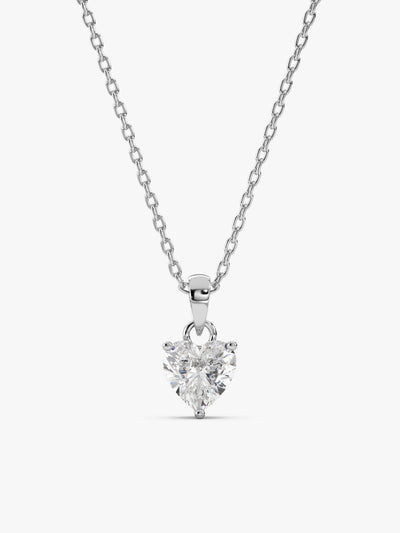
Silver Solitaire Heart Pendant with Link Chain
Regular price ₹1,999Sale price ₹1,999 Regular priceUnit price per₹5,799 -
Bestseller
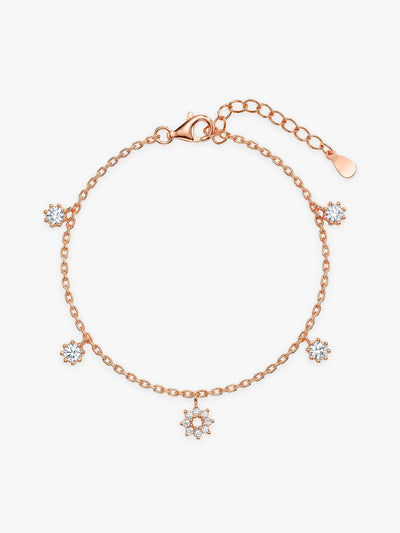
Rose Gold Flower Charm Bracelet
Regular price ₹2,399Sale price ₹2,399 Regular priceUnit price per₹5,299 -
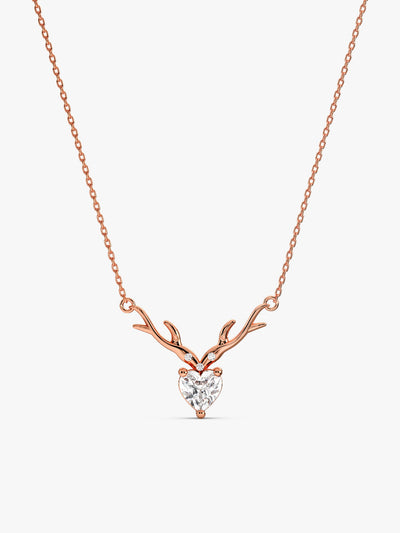
Rose Gold Deer Heart Necklace
Regular price ₹1,999Sale price ₹1,999 Regular priceUnit price per₹6,199
-
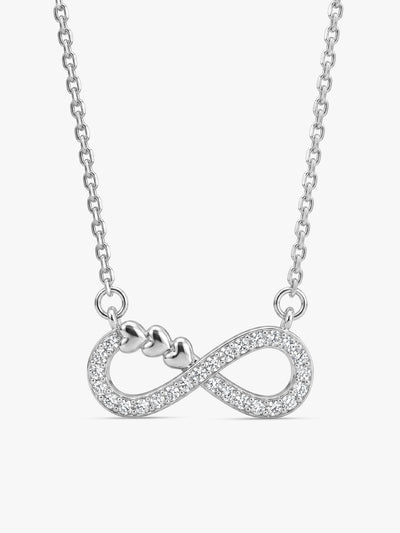
Silver Infinity Heart Necklace
Regular price ₹2,999Sale price ₹2,999 Regular priceUnit price per₹6,199 -
Bestseller
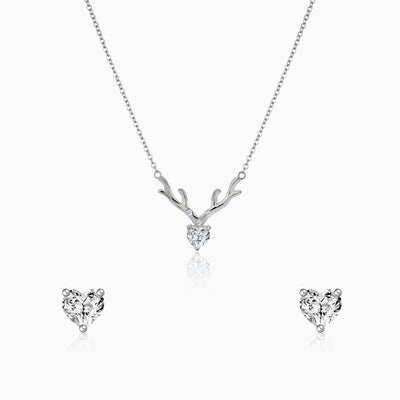
Silver Deer Solitaire Heart Set
Regular price ₹6,399Sale price ₹6,399 Regular priceUnit price per₹10,599 -
-
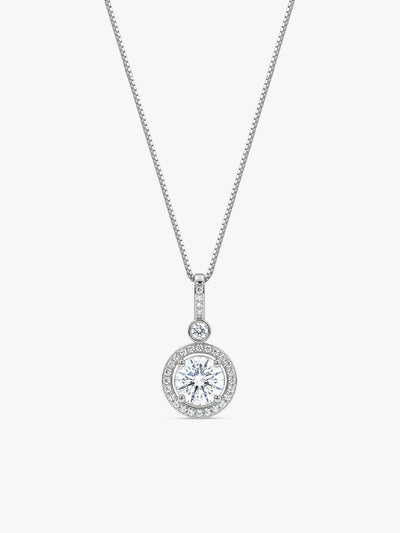
Silver Drizzle Drop Pendant with Box Chain
Regular price ₹2,999Sale price ₹2,999 Regular priceUnit price per₹6,199



You May Also Like

If you have ever stood at a jewellery counter and heard the words kangan and kangni being used almost interchangeably, you are not alone. Most Indian families use both terms...
Kangan vs. Kangni: What Is the Difference Between Kangan and Kangni?
If you have ever stood at a jewellery counter and heard the words kangan and...

A gold kada for ladies is a solid gold band mostly unbroken and worn on the wrist. It has more of a cuff feel than the thin bangles. It has...
Gold Kada for Women: Designs, Styles, Weight & How to Choose
A gold kada for ladies is a solid gold band mostly unbroken and worn on...

You already know that not every gold earring design for female wear is meant for the same moment if you have ever stood in front of your jewellery box wondering...
Gold Earring Designs for Women: Choosing the Right Style for Every Occasion
You already know that not every gold earring design for female wear is meant for...

There is a reason why almost every Indian woman’s jewellery box has at least one pair of gold tops tucked into a corner, even if she has fifty other things....
Top 12 Gold Tops for Women: Designs for Daily, Office and Festive Wear
There is a reason why almost every Indian woman’s jewellery box has at least one...

Go into any jewellery shop in India during the wedding season and you will see it. Two counters next to each other. One with temple motifs and filigree work passed...
Latest Indian Gold Jewellery Designs: Traditional Heritage Meets Modern Style
Go into any jewellery shop in India during the wedding season and you will see...

Every festive season, a similar question comes up in some family WhatsApp groups across the country: Should we buy real gold or go for one gram gold jewellery this time?...
1 Gram Gold Jewellery Explained: Meaning, Price, Purity and What to Know Before Buying
Every festive season, a similar question comes up in some family WhatsApp groups across the...
