


If you have ever stood at a jewellery counter and heard the words kangan and kangni being used almost interchangeably, you are not alone. Most Indian families use both terms loosely and this is exactly where the Kangan vs. Kangni confusion starts. The truth is that these two pieces are part of the same family of wristwear, but they are not the same, and the difference matters more at weddings and festivals than any other time of year. Whether you land on a gold piece or a silver kangan, this guide breaks down the Kangan vs. Kangni question in plain language, so you know exactly what you are buying, and why regions across India treat a kangan for women as such a meaningful gift.
Table of Contents
- Kangan vs. Kangni: Understanding the Basic Difference
- What Makes a Kangan Design Different From a Kangni
- Gold Kangan Design: Features That Define the Style
- Kangan for Women: Why It Remains a Festive Favourite
- Regional Significance of the Kangan for Women
- Kangan vs. Kangni: Quick Comparison Table
- How to Choose the Right Kangan Design Gold Piece
- FAQs About Kangan vs. Kangni
Kangan vs. Kangni: Understanding the Basic Difference
A kangan is essentially a broad, usually rigid bracelet of metal, worn singly as a statement piece or in pairs, whereas its thinner, daintier cousin, a kangni, is generally worn in stacks with other bangles rather than singly. Kangan vs Kangni is really a difference of proportion, not metal. The kangan has visual weight on the wrist, sometimes with a slight curve or hinge for comfort, and is often the centrepiece of bridal wristwear, be it in gold or 925 sterling silver. But a kangni is made for movement and layering, which is why you’ll see it worn three or four at a time rather than solo.
A kangan is a broad, statement-style bangle, while a kangni is a slim, lightweight bangle meant to be stacked. That single line answers most of the Kangan vs. Kangni search intent people have.
What Makes a Kangan Design Different From a Kangni
The kangan design was usually of a broader band, ranging from half an inch to over an inch in width, and this permitted engraving, filigree work or stone settings on the surface. With the bigger surface area, karigars often use this space to recreate floral vines or even miniature peacock carvings, temple motifs even, that a kangni’s slender frame simply cannot accommodate.
The clasp is the other big clue. Many kangans are screw-open or hinged so the piece can be worn without sliding it over the hand, which matters when the design is heavier or set with stones. This is something a kangni needs very rarely because its thin flexible band slides on easily like a normal bangle. This clasp detail is applicable to a gold piece as well as a silver kangan, as the mechanism is about the width of the band, not the metal underneath it.
Gold Kangan Design: Features That Define the Style
People generally look for bridal or festive wear when they search for a gold kangan design and not for everyday wear. A good kangan is one that balances three things: karat purity, surface detailing and comfortable weightage so that it does not tire the wrist during long ceremonies. The gold kangan design is usually in hallmarked 18K gold or 22K gold for weddings, as the higher purity holds the intricate detailing better than lower karat alloys.
Enquire about weight before purchasing. A gold kangan can weigh anything from a light 8 to 10 grams for daily festive wear to well over 25 grams for a bridal pair with heavy relief work. If that weight or price seems a lot for everyday wear, a silver kangan in the same design offers almost identical detailing at a fraction of the cost, which is why many women keep one gold pair for weddings and a silver kangan or two for smaller festive days.
Kangan for Women: Why It Remains a Festive Favourite
For generations, a kangan for women has been more than an adornment. It often marks a phase of life, a wedding, a first Teej after the wedding, the arrival of a child or simply a mother deciding to pass on a piece she herself wore before. And that emotional weight is part of the reason why a kangan for women seldom goes out of fashion like trend-driven jewellery does, whether the piece is gold, or a well-crafted silver kangan.
The kangan looks beautiful up close, one of the reasons bridal shoots rely so heavily on this style rather than thinner bangles that can get lost in wide shots.
Read more: Silver Bangle Designs 2026 | Daily & Traditional Styles
Regional Significance of the Kangan for Women
The significance of a gold kangan for women differs across various regions of India and the celebrations associated with them also vary. In Punjab, the kangan is worn with the bridal chooda. During the Chooda ceremony, by the female relatives who tie it onto the bride’s wrist as blessings are exchanged. In Rajasthan and Gujarat, the broader kada-style kangan is popular during Akshaya Tritiya and the wedding season, often given as a symbol of prosperity by the maternal family, and a silver kangan is often the first piece younger girls in the family receive before graduating to gold later.
In the south, in Tamil Nadu, Andhra Pradesh and Karnataka, temple-motif kangans are worn at Aadi Perukku and wedding muhurtams, often handed down from grandmother to granddaughter. This piece of gold often shares wrist space with the traditional shakha and pola in Bengal during Bengali weddings, a blend of red and gold in one look. Mangala Gaur celebrations take place in Maharashtra and some parts of central India, where married women dress with family to participate in evening rituals . The mundane part of the celebrations is usually in silver, and the main one is in gold .
What these regional customs have in common is the family moment itself, an elder woman tying the piece on a younger one, a small ritual repeated at almost every large household celebration throughout the country.
Kangan vs. Kangni: Quick Comparison Table
Here is a side by side look to settle the Kangan vs. Kangni comparison once and for all.
|
Feature |
Kangan |
Kangni |
|
Band width |
Wide, statement style |
Slim, delicate |
|
Usually worn |
Single or in a pair |
Stacked, three or more |
|
Clasp |
Hinged or screw-open |
Slides on easily |
|
Best occasion |
Weddings, bridal sets |
Daily festive wear |
|
Typical weight |
15 to 25+ grams (gold) |
5 to 10 grams |
|
Everyday option |
Silver kangan |
Silver or gold-plated kangni |
Choose a kangan for a bold, single statement piece at weddings, and a kangni when you want a lighter, stackable look for everyday festive dressing. A silver kangan is the practical middle ground when you want the kangan silhouette without the gold price tag.
How to Choose the Right Kangan Design

The Kangan vs. Kangni decision is usually an easier one once you stop comparing them as rivals, and start thinking of them as two different jobs. If you are shopping for a kangan design gold piece and are not sure which style is right for the occasion, start with the event. A heavier kangan is usually required for weddings and milestone ceremonies while a kangni or a slimmer kangan design is more suited to regular festive days. A silver kangan covers most of the ground in between without straining the budget.
And budget is also a factor. A kangan design gold piece with detailed karigari will naturally cost more because of the labour involved. So it helps to ask your jeweller what is the division of metal weight vs making charges before finalising anything. If gold feels too soon for a specific occasion, a silver kangan with similar detailing allows you to wear the look now and upgrade later.
In case you are also looking for gold jewellery and silver jewellery to pair with your kangan, opt for rings for women. GIVA and Heer by GIVA has a wide range of trendy and everyday designs that will look absolutely stunning.
Read more: Gold Bangles for Women: Best Designs, Styles
FAQs About Kangan vs. Kangni
What is kangan?
A kangan is a broad, often rigid gold or silver bangle worn as a statement piece, commonly seen in bridal and festive jewellery across India.
Is kangan and kangni the same?
No. While both sit in the bangle family, a kangan is wider and bolder, and a kangni is slimmer, lighter and usually worn stacked rather than alone.
What is the difference between kangan and kangni?
The main difference lies in width, weight and styling. A kangan is broad and worn solo or in pairs, while a kangni is thin and layered with other bangles.
Kangan vs kangni, which one should I choose for a wedding?
For weddings, a kangan is the more traditional choice because of its bolder presence, though many brides pair one kangan with a few kangnis for balance.
What is the kangan meaning in Indian tradition?
Beyond being an ornament, it ties back to blessings, marital status and family continuity in most Indian households, often gifted during weddings or passed down through generations.
At the end of the day, the Kangan vs. Kangni choice is less about which piece is better and more about which one suits the moment you are dressing for, whether that means reaching for a silver kangan on a regular evening or a gold one for the big ceremony with family around you.
-
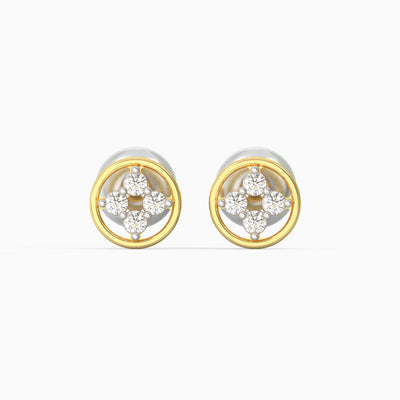
Anushka Sharma Gold Circular Quartet Diamond Stud Earrings
Regular price ₹14,094Sale price ₹14,094 Regular priceUnit price per₹18,676 -
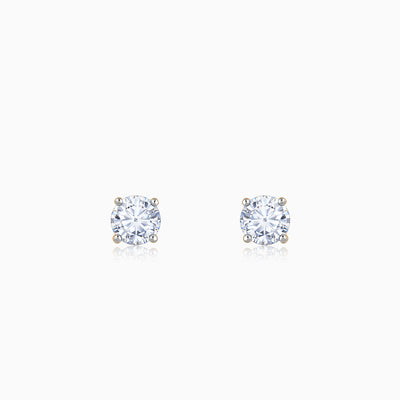
Anushka Sharma Gold Dot Bling Lab Grown Diamond Earrings
Regular price ₹18,442Sale price ₹18,442 Regular priceUnit price per₹21,685 -
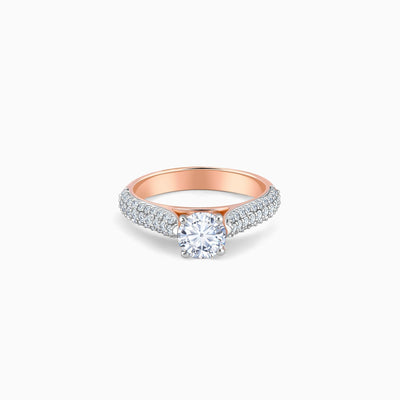
Rose Gold Solitaire Meraki Lab Grown Diamond Ring
Regular price ₹77,435Sale price ₹77,435 Regular priceUnit price per₹97,564 -
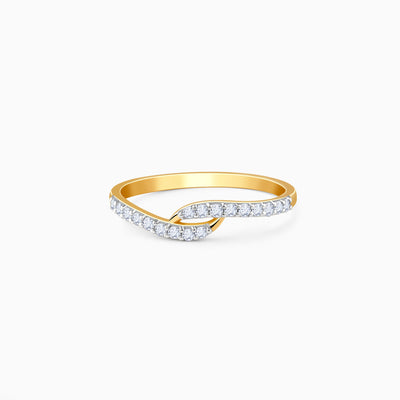
Gold Elira Wave Lab Grown Diamond Ring
Regular price ₹18,295Sale price ₹18,295 Regular priceUnit price per₹23,751
-
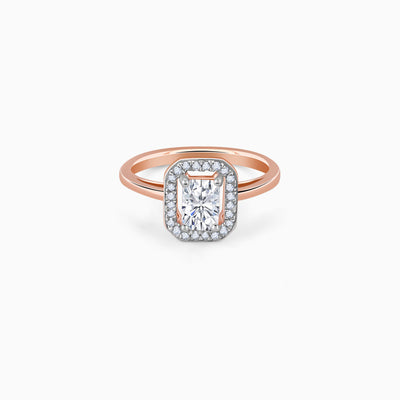
Rose Gold Magnum Halo Lab Grown Diamond Ring
Regular price ₹51,834Sale price ₹51,834 Regular priceUnit price per₹66,094 -
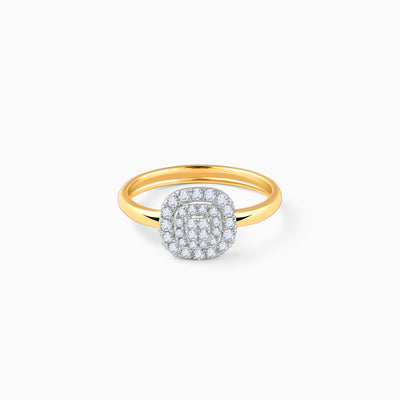
Gold Glam Lab Grown Diamond Ring
Regular price ₹23,196Sale price ₹23,196 Regular priceUnit price per₹30,352 -

Anushka Sharma Rose Gold Yolo Solitaire Lab Grown Diamond Ring
Regular price ₹53,469Sale price ₹53,469 Regular priceUnit price per₹67,420 -
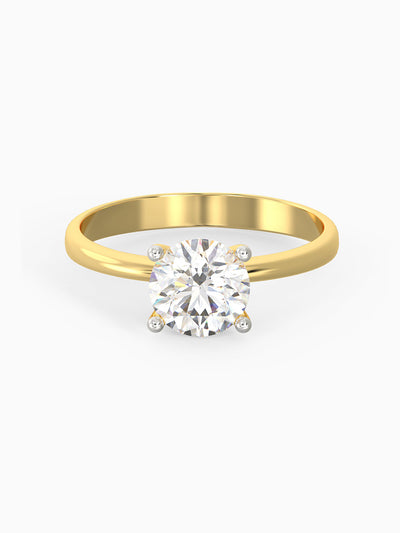
Anushka Sharma Gold Mystic Aura Solitaire Diamond Ring
Regular price ₹55,064Sale price ₹55,064 Regular priceUnit price per₹65,412




You May Also Like

Open any old family jewellery box in India and you will typically find one piece that looks different from the rest. The sparkle is softer, a little glassy, never razor-sharp....
Polki Jewellery With Gold: The Uncut Diamond Tradition That Is More Stunning Than Ever in 2026
Open any old family jewellery box in India and you will typically find one piece...

Ask anyone who wears a gold nose pin every day, and they will tell you the same thing: It may be a single piece of jewellery, but its impact is undeniable....
Gold Nose Pins: Traditional Designs, Modern Styles and How to Choose
Ask anyone who wears a gold nose pin every day, and they will tell you the...

Jewellery is having a big moment in colour. Walk into any wedding, office or weekend brunch in 2026 and you’ll see deep emerald greens, ruby reds and sapphire blues on...
Synthetic Gemstone vs Natural Gemstone: Which One Is Right for Your Jewellery in 2026?
Jewellery is having a big moment in colour. Walk into any wedding, office or weekend...

Often a woman’s first piece of fine jewellery is a gold chain, and it’s usually the one she wears most. It will sit at your collarbone through office days, family...
Gold Chain Designs for Women: Types, Styles, Weight and How to Choose
Often a woman’s first piece of fine jewellery is a gold chain, and it’s usually...

At every Indian wedding, there is a small sound that no one forgets, the click of the mangalsutra clasp closing at the back of the bride’s neck. For years, that...
Best 15 Wedding Gold Necklace Designs for Brides: Traditional to Modern Styles
At every Indian wedding, there is a small sound that no one forgets, the click...

Few pieces of jewellery feel as personal as a bracelet. It rests close to your pulse, catches the light with every gesture and moves easily from a morning meeting to...
Gold Bracelet Designs for Women: 18K Styles, Weight, Types and Buying Tips
Few pieces of jewellery feel as personal as a bracelet. It rests close to your...
