


In India in 2026, the price of lab grown diamonds will usually be between ₹8,000 and ₹3,00,000, depending on the carat weight, cut, colour, and clarity. A 1-carat lab grown diamond costs between ₹40,000 and ₹80,000, which is about 60–80% less than a natural diamond of the same quality. Prices also change depending on the brand you buy from, the method used to grow the plants, and the certification.
Now is the best and most confusing time ever to buy a diamond in India.
The market for lab grown diamonds has changed the way Indians think about high-end jewellery in a big way. The rich used to be the only ones who could afford this type of item, but now it's available to the urban middle class, first-time buyers, and millennials who want to buy something for themselves. And the main reason for this is the price.
India is now responsible for more than 95% of the world's lab diamond polishing, according to the Gem & Jewellery Export Promotion Council (GJEPC). This makes India the clear centre of LGD manufacturing and processing. The Bain & Company Global Diamond Industry Report 2023 said that the price of lab grown diamonds fell by almost 40% at the wholesale level in 2023 alone. This is a huge drop caused by rapid capacity growth, especially from Indian and Chinese producers.
But it's hard to put numbers this big into context. What does this mean for someone who is trying to decide how much to spend when they walk into a jewellery store or look online?
This guide gives you the answer. We list the prices of lab grown diamonds in India by carat weight, quality grade, certification, type of jewellery, and brand so that you can shop clearly in 2026.
What Is a Lab Grown Diamond and Why Does It Cost Less?
It's helpful to know what the product is before we talk about the numbers. A diamond grown in a lab is the same as a diamond mined in terms of chemistry, optics, and physical properties. The only difference is where it was made; it is real carbon arranged in a crystal lattice structure. It doesn't form over billions of years under the earth's crust; instead, it is grown in a controlled lab setting over a few weeks.
There are two main ways to make things:
Chemical Vapour Deposition (CVD): A process in which a gas with a lot of carbon is put into a chamber at a high temperature. The carbon atoms slowly build up on a diamond seed crystal, one layer at a time. CVD is the most common method in India, and it makes colourless stones of high quality quickly.
HPHT (High Pressure High Temperature): This method mimics the extreme heat and pressure that natural diamonds form in. It works especially well for making lab grown diamonds in fancy colours like yellow, blue, and pink.
The Science Behind the Price Drop
The main reason lab grown diamonds are much affordable than mined diamonds is because of how the supply chain works. Natural diamonds need to be mined from deep in the earth, which is expensive, limited to certain areas, and subject to environmental rules and political risk. The earth's resources limit the supply in a structural way.
There is no such limit on lab-grown diamonds. The cost of production goes down as manufacturing technology gets better and more efficient. This savings is passed on to the customer. The Paul Zimnisky Global Diamond Analytics data shows that the wholesale prices of lab grown diamonds fell by about 60% to 70% between 2020 and 2024. This is not a short-term drop. It shows that the category's prices have changed structurally.
The price gap is not marginal, it is transformational. A couple that previously had a budget for a 0.30 carat natural diamond solitaire can now access a 1 carat lab grown stone for the same spend. That is the real story behind the surge in lab grown diamond adoption across Indian metros.
Read more: The Rise of Lab Grown Diamonds in Modern Jewellery
Lab Grown Diamond Price India 2026 -By Carat Weight
The price per carat doesn't go up in a straight line. There is no simple rule for multiplying diamonds. A 1 carat stone costs a lot more per carat than a 0.50 carat stone of the same quality. This is because bigger crystals are harder to grow without flaws and take longer to make. The price jumps are especially big at the 0.50ct, 1.00ct, and 2.00ct levels.
The shape is important. Round brilliant cuts cost more because the cutting process wastes more rough stone. Fancy shapes like ovals, pears, cushions, and emeralds usually cost 10–20% less per carat than rounds of the same quality. Oval and pear cuts are great options for buyers who want the biggest look for their money.
Making charges are added to the final price. The gold setting makes the price go up when you buy jewellery, not just a loose stone. Depending on the brand and how complicated the design is, making charges can be anywhere from 8% to 25%. Always ask for this to be broken down.
Read more: How Lab Grown Diamonds Are Shaping the Future of Sustainable Luxury
What Makes Lab Grown Diamonds Cost More in India?

Gold Passionate Love Lab Grown Diamond Ring (Size 12)
To understand the price of lab-grown diamonds in India, you need to look at more than just the carat weight. The 4Cs-cut, colour, clarity, and carat along with certification and the way the diamond was grown, all affect how much you pay.
Cut: The Most Important Thing
The cut isn't about the diamond's shape; it's about how well the facets are angled to reflect light. A small diamond that is cut well can shine more than a bigger diamond that is cut poorly. In lab grown diamonds, the price of excellent and ideal cut grades is 15–25% higher than the price of very good cut grades. It's almost always worth the money.
Colour-Where the Smart Money Goes
The colour grades go from D (no colour at all) to Z (a yellow tint that can be seen). The rarest and most expensive grades are D–F. G–H colour grades, on the other hand, are almost colourless to the naked eye and are the best value because they look just like D colour in a setting but cost 15–20% less.
Clarity: "Good Enough" Is Often Perfect
Clarity grades look at both internal flaws and flaws on the surface. The highest clarity grades (Flawless and Internally Flawless) cost a lot more. But the VS1–VS2 (very slightly included) and SI1 (slightly included) grades are eye-clean, which means that inclusions can't be seen without magnification. SI1 is the best value for most buyers.
Carat -The Headline Number
The main factor that determines price is still carat weight. But as the chart above shows, you can get a 0.5 carat lab grown diamond in India for between ₹15,000 and ₹35,000. That's a lot less than what a natural stone of the same weight would cost.
CVD vs. HPHT: Does the Way It Grows Matter at Retail?
When CVD and HPHT stones are graded and certified the same way, they cost about the same at retail. CVD is the most popular brand of colourless and near-colorless stones in India. For fancy coloured lab grown diamonds, HPHT is usually the best way to go. For the average buyer, the certificate is more important than the method.
Certification and Its Price Impact
This is not up for debate: you should always buy a certified lab-grown diamond. The two most well-known organisations that certify lab grown diamonds around the world are the International Gemological Institute (IGI) and the Gemological Institute of America (GIA).
A stone that has been certified by IGI costs 10 to 15 percent more than a stone that has not been certified but has the same specs. A stone that has been certified by the GIA is worth even more. But that extra cost is an investment, not a cost. It keeps the stone's quality high, sets a resale price, and protects the buyer from being lied to.
It's always worth it to pay the price for a certified lab grown diamond. There is no quality guarantee for stones that haven't been certified. If you see a deal that is too good to be true and doesn't come with a certificate, don't take it.
Heer by GIVA uses IGI-certified lab grown diamonds in all of its products, which means that every piece comes with proof of quality. This is a big deal in a market that is still figuring out how to be more open.
Lab Grown Diamond Ring Price in India -What to Budget in 2026
When it comes to jewellery prices, things get more complicated. The price of a lab-grown diamond ring in India includes the cost of the stone, the cost of the gold (which changes every day), the cost of making the ring, and the brand premium. Here's a realistic plan for 2026:
Solitaire Rings
The solitaire, which has a single diamond in the middle and is set in a classic prong setting, is the most popular style of lab grown diamond ring in India.
Halo Rings
A halo setting adds smaller diamonds around the centre stone, which makes it look much bigger. The total carat weight is higher, and this is reflected in the price.
Three-Stone and Side-Stone Rings
Bridal and anniversary rings often feature a centre stone flanked by two smaller stones. Pricing scales with total carat weight.
The Engagement Ring Budget Conversation
The old marketing rule of spending two to three months' salary on an engagement ring was invented by a diamond mining company in the 1940s. It has no relevance today and lab grown diamonds have made it mercifully obsolete. In 2026, ₹80,000–₹1,20,000 gets you a genuinely stunning 1 carat lab grown diamond engagement ring from a certified, reputable brand. That is a category shift, not a compromise.
Read more: The Ultimate Guide to Choosing a High-Quality Lab-Grown Diamond
Heer by GIVA -Certified Lab Grown Diamond Jewellery Pricing in India
Heer by GIVA is one of the most reliable places to buy lab-grown diamond jewellery in India for people who want to avoid any guesswork when making a purchase.
The Heer by GIVA diamond price range is designed to meet the needs of buyers with different budgets and occasions, from simple, elegant pieces for everyday wear to bold, statement-making bridal pieces. All of the stones in the Heer line are IGI-certified and set in
18K gold that has been marked with the BIS mark. This means that buyers can easily trace both the diamond and the metal.
Heer is especially important in 2026 because it is in the middle of accessibility and assurance. In a market full of lab-grown diamonds that don't have a brand name or certification, the brand infrastructure, clear prices, customer service after the sale, and buyback policies are very important. It makes the difference between buying something and putting money into something with confidence.
The Heer collection includes rings, gold pendants, earrings, bangles, and gold bracelets. The prices are set so that they work for both first-time diamond buyers and people who need a bridal set. The range has a certified alternative for you to buy for an anniversary, a gift for yourself, or a big event without having to deal with the complicated open stone market.
How to Get the Best Price for Lab Grown Diamonds in India-Advice for Buyers
Now that you know what the market is like, here's how to make the most of it:
1. Always buy things that have been certified by IGI or GIA. This is the most important rule of all. Certification checks what you're buying on its own and gives you a standard for any future sale or purchase.
2. Aim for the G-H colour for the best value. Almost colourless and only a small part of the D–F premium. The colour difference is not visible to the naked eye when set in gold.
3. Pick either SI1 or VS2 clarity. Eye-clean, very bright, and a lot cheaper than VVS grades that don't make any visible difference.
4. Clearly compare the costs of making. Ask each store to list the costs of the stone, gold, and making charges separately. Making charges can be anywhere from 8% to 25%, and they can have a big impact on the final price.
5. Think about shapes that are interesting. Oval, pear, and cushion cuts are just as bright as round brilliants, but they cost 10–20% less per carat. They also look bigger when you look at them face up.
6. Buy from brands that are well-known and certified. Brands like Heer by GIVA that sell hallmarked gold, have IGI certification, and have clear buyback and exchange policies protect your purchase much better than unbranded options, even if the price seems a little higher.
7. Don't make deals that aren't certified. If a deal seems too good to be true and doesn't come with a certificate, it probably is. Without an independent gemological assessment, you can't be sure of the quality.
Read more: Why Lab Grown Diamonds are Trending in 2026 – Heer by GIVA
If you are ready to look into this category, start with a brand that takes away the guesswork. Heer by GIVA sells IGI-certified lab grown diamond jewellery for every budget and occasion. They also offer the transparency, hallmarking, and after-sales service that a purchase this important needs.
Because a real diamond should not be too far away in 2026. And with lab grown, it isn't anymore.
Frequently Asked Questions
How much do lab grown diamonds cost in India in 2026?
Lab grown diamonds in India are priced between ₹8,000 for a 0.25 carat stone and ₹2,50,000+ for a 2 carat certified stone. A 1 carat lab grown diamond price India falls typically between ₹40,000 and ₹80,000, with the variation driven by cut quality, colour grade, clarity, and certification.
What is the 0.5 carat lab grown diamond price India in 2026?
A 0.5 carat lab grown diamond price India in 2026 ranges from ₹15,000 to ₹35,000 for an IGI-certified round brilliant with G–H colour and VS2–SI1 clarity. Uncertified stones or fancy shapes may be priced lower; exceptional cut grades or D–F colour will push the price higher.
Why are lab grown diamonds cheaper than natural diamonds?
The question of why lab grown diamonds are affordable than natural comes down to supply chain elimination. Lab grown diamonds are produced in controlled environments using CVD or HPHT technology, removing the costs associated with deep earth mining, geopolitical supply chains, and decades-long geological formation. This makes them 60–80% more affordable than natural diamonds of equivalent quality grades.
Are lab grown diamonds getting cheaper in India?
Yes. Are lab grown diamonds getting affordable in India is a question the market has answered with consistent evidence. Prices have dropped by an estimated 60–70% wholesale since 2020, driven by Indian production scale and global oversupply. The decline is expected to continue in 2026, though at a slower rate than 2022–2023.
Is a certified lab grown diamond worth the price premium?
Absolutely. The certified lab grown diamond price premium of 10–15% over uncertified stones is justified entirely by the quality assurance, resale benchmark, and consumer protection it provides. Buying uncertified to save money is a false economy.
What is Heer by GIVA and how is it priced?
Heer by GIVA is a lab grown diamond jewellery brand. The Heer by GIVA diamond price is structured across accessible entry points, with every piece featuring IGI-certified lab grown diamonds set in BIS-hallmarked 18K gold. The range spans everyday and occasion jewellery across rings, pendants, earrings, and bridal sets.
-
-
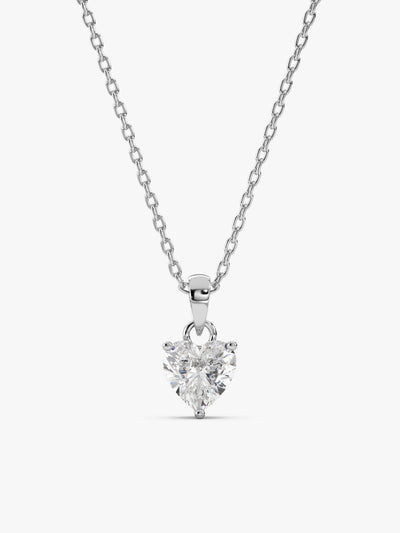
Silver Solitaire Heart Pendant with Link Chain
Regular price ₹1,999Sale price ₹1,999 Regular priceUnit price per₹5,799 -
Bestseller
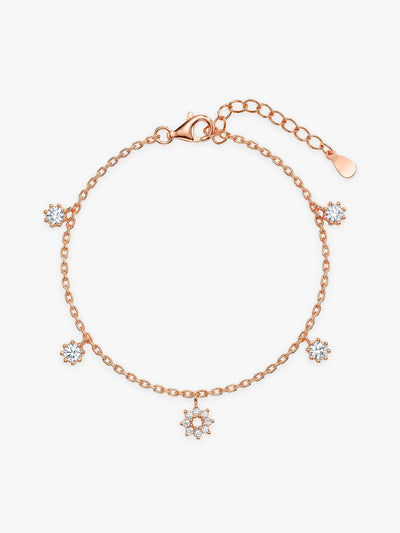
Rose Gold Flower Charm Bracelet
Regular price ₹2,399Sale price ₹2,399 Regular priceUnit price per₹5,299 -
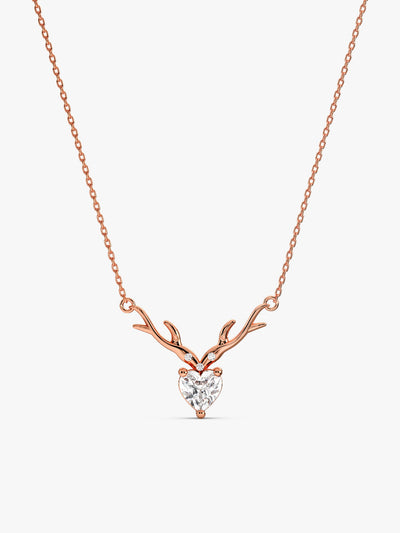
Rose Gold Deer Heart Necklace
Regular price ₹1,999Sale price ₹1,999 Regular priceUnit price per₹6,199
-
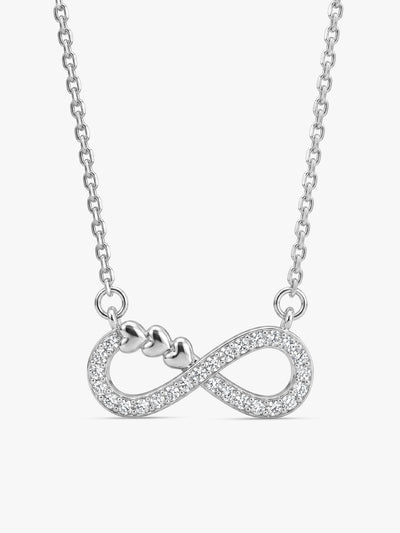
Silver Infinity Heart Necklace
Regular price ₹2,999Sale price ₹2,999 Regular priceUnit price per₹6,199 -
Bestseller
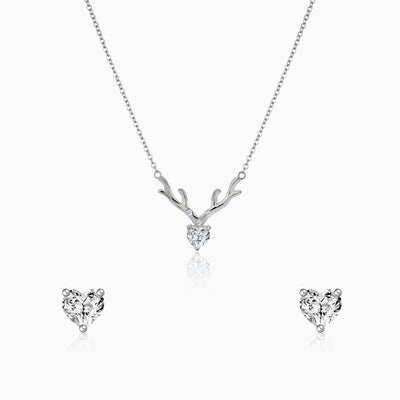
Silver Deer Solitaire Heart Set
Regular price ₹6,399Sale price ₹6,399 Regular priceUnit price per₹10,599 -
-
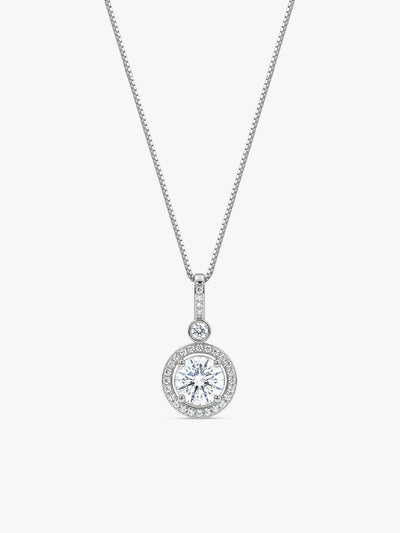
Silver Drizzle Drop Pendant with Box Chain
Regular price ₹2,999Sale price ₹2,999 Regular priceUnit price per₹6,199



You May Also Like

If you have ever stood at a jewellery counter and heard the words kangan and kangni being used almost interchangeably, you are not alone. Most Indian families use both terms...
Kangan vs. Kangni: What Is the Difference Between Kangan and Kangni?
If you have ever stood at a jewellery counter and heard the words kangan and...

A gold kada for ladies is a solid gold band mostly unbroken and worn on the wrist. It has more of a cuff feel than the thin bangles. It has...
Gold Kada for Women: Designs, Styles, Weight & How to Choose
A gold kada for ladies is a solid gold band mostly unbroken and worn on...

You already know that not every gold earring design for female wear is meant for the same moment if you have ever stood in front of your jewellery box wondering...
Gold Earring Designs for Women: Choosing the Right Style for Every Occasion
You already know that not every gold earring design for female wear is meant for...

There is a reason why almost every Indian woman’s jewellery box has at least one pair of gold tops tucked into a corner, even if she has fifty other things....
Top 12 Gold Tops for Women: Designs for Daily, Office and Festive Wear
There is a reason why almost every Indian woman’s jewellery box has at least one...

Go into any jewellery shop in India during the wedding season and you will see it. Two counters next to each other. One with temple motifs and filigree work passed...
Latest Indian Gold Jewellery Designs: Traditional Heritage Meets Modern Style
Go into any jewellery shop in India during the wedding season and you will see...

Every festive season, a similar question comes up in some family WhatsApp groups across the country: Should we buy real gold or go for one gram gold jewellery this time?...
1 Gram Gold Jewellery Explained: Meaning, Price, Purity and What to Know Before Buying
Every festive season, a similar question comes up in some family WhatsApp groups across the...
