


Step into any jewelers’ shop in India during the week of Diwali and you will see that colour does most of the talking. Reds, greens, oranges and blues appear in jhumkas, rings and pendants because the festival itself is loud, bright and happy. Enamel is one of the oldest ways to get that colour into metal. A few specialist methods can turn colour, light and silver into designs that look painted by a very patient artist.
One of those methods is plique-à-jour enamel, a French name that roughly translates to “letting in daylight”. Thus, the pieces are not backed by a solid sheet behind the colour and light passes straight through as in a stained glass window. Plique-à-jour jewellery is rare, takes time to make and has a little magic when it catches the sun. That glow of translucent colour is the spirit behind GIVA’s Pataka Collection, a festive silver range inspired by Diwali crackers and sweets. Understanding the enamel jewellery method used to create plique-à-jour jewellery makes it easier to choose, style and look after it, so let's start at the beginning.
Table of Contents
- What is Plique-à-jour Enamel?
- How Does the Plique-à-jour Enamel Technique Work?
- What Makes Plique-à-jour Jewellery Unique?
- Plique-à-jour vs Traditional Enamel Jewellery
- The Art of Plique-à-jour Enamel in GIVA’s Pataka Collection
- How to Style Colourful Enamel Jewellery
- How to Care for Enamel Jewellery
- Frequently Asked Questions
What is Plique-à-jour Enamel?
Plique-à-jour enamel is a jewellery technique where translucent enamel is fused to an open metal framework without a solid backing. Light goes through the colour just like it goes through stained glass which is why the French name means “letting in daylight”.
Enamel is just powdered glass melted onto metal. It has been used in jewellery for centuries and most of us know it through the art of meenakari where bright colour is set against a solid base. Plique-à-jour enamel takes the idea to the next step, by eliminating that base altogether. It is believed to have evolved from European workshops and reached its peak in the Art Nouveau years when jewellers in France and Russia created dragonfly wings, petals and leaves that gleamed in daylight. Plique-à-jour jewellery has been rare ever since.
The first thing you notice about plique-à-jour jewellery is its open back. Instead of colour sitting on metal each little cell of enamel is held only by its metal outline with air behind it. The light comes through the coloured glass and the shade seems to glow from within. The colour wears well indoors, mellowing into something deeper and calmer. This is the most basic form of the plique-à-jour technique and it is the reason why plique-à-jour enamel was long considered a collector’s craft, rather than something for everyday wear.
How Does the Plique-à-jour Enamel Technique Work?

Golden Sutli Bomb Bracelet
There are four steps of Plique-à-jour technique. The jeweller builds up a framework of metal with open cells and fills the cells with translucent enamel. The piece is fired so the enamel fuses and any temporary backing is removed so that light can pass through.
- Building the metal frame. A fine skeleton of metal is formed with many small openings, which are called cells. The cleaner and thinner these lines are, the more light the finished plique-à-jour jewellery will let through.
- Filling in the gaps with translucent enamel. A tiny tool fills each cell with powdered enamel mixed into a paste. For plique-à-jour, the chosen colours are transparent colours, such as ruby red, emerald green and deep blue. These are the colours that allow light to pass through.
- Firing the enamel to melt it into the design. The piece goes into a kiln and the heat melts the powder so it grabs the edges of each cell. Most plique-à-jour enamel pieces require several rounds of filling and firing before the colour appears smooth and full.
- Remove the temporary backing. Many methods involve supporting the cells on a thin backing during firing. Once the enamel has set, that backing is gently removed and what is left is plique-à-jour jewellery with colour held only by the outline of the metal.
Exactly how this is done can vary. Some makers use a backing that is dissolved or ground away, others work with very small cells where the enamel holds in place by itself. Each approach suits different shapes. What never changes is how unforgiving the job is. A bubble, a hairline crack, or a slightly thick outline can ruin the window. It is considered one of the hardest of all the methods of enamelling jewellery used to-day, and so it is that plique-a-jour enamel is valued for patience, as well as beauty.
What Makes Plique-à-jour Jewellery Unique?
There’s plenty of colour in jewellery. Very little of it uses light like plique-à-jour enamel does. And that’s what’s special about plique-à-jour jewellery.
- Light effects and transparent colours. No solid base, each shade changes with the light around you. One piece of plique-à-jour enamel can be bold at noon, and warm and glowing next to a diya at night.
- Detailed metal outlines. It is the metal that lures. Each patch of colour is separated by fine lines, so the design reads like a sketch filled in with glass. Plique-à-jour jewellery is best appreciated up close.
- Stained glass effect. The effect is more like a tiny window than a painted surface, which is why plique-à-jour jewellery feels so different from flat, opaque colour. It's coloured enamel jewellery with a glow.
- Precision and skill. Every cell has to be filled evenly and burnt without cracks. Jewellers often say that the plique-à-jour technique is one that cannot be rushed and you can see that patience in the finished piece.
Anyone who has held plique-à-jour jewellery in their hands will tell you that photos only tell half the story. In plique-à-jour jewellery, the real design is the play of light.
Plique-à-jour vs Traditional Enamel Jewellery
If you have worn meenakari or any enamelled piece with a metal base such as 925 silver, you already know traditional enamel. The difference with plique-à-jour jewellery is where the colour sits and where the light goes.
|
Feature |
Plique-à-jour |
Traditional enamel |
|
Backing |
No solid backing, open cells |
Solid metal base behind the colour |
|
Light |
Passes through the colour |
Reflects off the surface |
|
Look |
Glowing, stained-glass effect |
Rich, opaque and painted |
|
Making |
Delicate, several firings, backing removed |
Colour applied and fired onto metal |
|
Feel |
Lighter and needs gentle handling |
Sturdier for daily use |
|
Best for |
Festive and statement moments |
Daily wear and heirloom styles |
Neither is superior. They just do different jobs and plique-à-jour jewellery is the more delicate of the two. The traditional enamel gives a deep saturated colour which works for everyday wear and bridal sets. Plique-a-jour enamel has a lightness and a glow. It’s the one to go for if you want your piece to be noticed. Both approaches can be found among the enamel jewellery designs that you find today, and some brands mix these within a range. Whatever enamel jewellery technique you are using, the common theme is simple: glass, metal and heat.
Read more: Ultimate guide for your silver jewellery purchase
The Art of Plique-à-jour Enamel in GIVA’s Pataka Collection

Silver Rangoli Glow Necklace
Diwali is more than lights and sweets. It is also the sound of crackers and smell of sparklers and a rangoli at every doorstep. GIVA’s Pataka Collection brings those memories to life as silver jewellery, with colour at its heart. The festival feels so right for the idea of letting light through enamel – plique-à-jour enamel is the inspiration for how the range treats colour, and plique-à-jour jewellery is the reference point for its glow.
The Story of Diwali Across India
Diwali is different, depending on where you celebrate it. In North India it means Lakshmi Puja, Dhanteras shopping and families bonding over sweets and card games. It is also the beginning of the new business year in Gujarat and Rajasthan when accounting books are worshipped in shops. In Maharashtra, the day begins with an early oil bath and a plate of faral shared with relatives. The same night is celebrated in Bengal as Kali Puja. In Tamil Nadu and Karnataka, Deepavali begins before sunrise with a bath in oil, new clothes and a family breakfast before heading off to the temples. What stays the same is the family: elders offering blessings, sweets, rangoli, cousins lighting firecrackers in unison, and mothers deciding what everyone will wear. The memory is often associated with a piece of plique-à-jour jewellery that is chosen for that day.
Pataka Enamel Jewellery Designs and Their Colourful Detailing
Each design takes something you grew up around and together they create a set of colourful enamel jewellery that feels playful rather than precious.
- Kaju Katli designs: the diamond cut of the sweet sit well inside a metal outline, where each small window of colour can show.
- Fuljhari: thin, sparkling lines inspired by the firework you hold with a nervous grin.
- Charki: a nod to the spinning ground chakri, around a circular, moving shape.
- Matchstick: slim and graphic, a quiet design for those who like their festive jewellery understated.
- Rocket ring: The ring’s rocket design is pointed upwards as if it has just been lit.
- Gujiya necklace: The shape of the festive sweet made for the table around which everyone gathers.
- Rangoli design necklace: designs that copy the floor art at your doorstep.
- Sutli bomb: the string-bound cracker, reinvented in silver.
- Anaar design: the flowerpot cracker that bursts out in colour. Most dramatic of the lot.
The work of a flame is plique-à-jour enamel. These enamel jewellery designs use the contrast between fine metal and bright glass, with translucent reds, oranges and greens set in fine silver outlines. And that’s exactly why plique-à-jour jewellery is so eye-catching and it’s the thinking you can see throughout the range.
Read more: Pataka Collection GIVA: Silver Jewellery for Diwali 2026
Jewellery Twists That Move With You
The range also plays with how a piece is worn, which suits plique-à-jour jewellery well, since a statement piece should earn its place.
Spinning rings: a band with a part that turns, which becomes a fidget favourite.
2 Way Earrings: one pair that can be worn in two looks, handy when you have three functions in a weekend.
Multi way hoops: hoops that can be worn in more than one way, so one pair does the work of several.
2 Way Magnetic Necklace: a necklace with a magnetic feature that can be worn two ways, from simple to statement.
The Pataka Combo Box
The combo box is the simplest way to gift from the range. The cover is a spinning cover and inside you'll find a DIY paper lamp kit, a piece of jewellery, a greeting card and Pataka candles. The jewellery isn’t fixed. The customer chooses the one they like. Pass it on to a cousin and the lamp becomes the evening’s activity, give it to a parent and the candles go straight to the puja shelf. In either case, the first thing people open is the jewellery inside.
Want to see the designs up close? Explore the complete collection on GIVA website and head to the product pages to add your perfect twist.
Read more: The Ultimate Guide to Silver Jewellery for Celebrations
How to Style Colourful Enamel Jewellery
Here are four ways to get colour to work.
Holiday apparel
Or let one piece lead the way, for a Lakshmi Puja or family dinner. Plique-à-jour jewellery, such as a rangoli design necklace worn over a plain silk saree or a solid anarkali lets the colour show without competing. This is the best place for enamel jewellery designs with fine outlines, because in plique-à-jour enamel the metal frames the glass on a calm background.
The Wedding Reception
The wedding season starts immediately after Diwali in many parts of India, so the same pieces can be worn to sangeet, mehendi and haldi. A gujiya necklace looks good with a pastel lehenga and plique-à-jour enamel catches diya light and camera flash beautifully. 2 Way Earrings give you a second look for the reception without the cost of buying again.
Statement: Looks
Go bold if you like being the one people ask about. The 2 Way Magnetic Necklace in its fuller style with the anaar design nearby is good for an evening at a cousin’s home. Let plique-à-jour jewellery take centre stage and keep all else hush.
Everyday Clothing
A white shirt and jeans is given a makeover in seconds with Plique-à-jour jewellery in a spinning ring and multi way hoops, while a matchstick design is just the job for office days. Simple clothes also help the colour read cleanly, as there is nothing around it to fight with, and wearing plique-a-jour enamel helps too.
How to Care for Enamel Jewellery

Four habits of good enamel jewellery care. Wipe with a soft dry cloth. Keep pieces away from perfume and other harsh chemicals. Store in a soft pouch separately and avoid knocks and drops.
Enamel is glass, in fact, and glass likes to be treated easily. The same applies to plique-à-jour jewellery, where the open windows are more vulnerable than a solid base.
Cleans gently. Wipe plique-à-jour jewellery with a soft dry cloth after each wearing. If a piece needs more, a barely damp cloth usually does the trick, and should be dried straight away.
Store carefully. To avoid them rubbing against other jewellery, store each piece separately in its own pouch or box compartment.
Do not affect. Take off rings before heavy work, workouts and cooking, as a hard knock can chip the enamel.
Avoid strong chemicals. Perfume, hair spray, detergents and cleaning liquids can dull colour so take jewellery off first and put it on last.
Each piece is unique so please follow the specific enamel jewellery care instructions that come with your product. With a little routine care, plique-à-jour enamel will look as bright as the day it came into the world.
Frequently Asked Questions
What is plique-à-jour enamel?
Plique-à-jour enamel is a jewellery technique where translucent enamel is held in a metal framework with no solid backing, so light passes through the colour like stained glass. The name is French for “letting in daylight”.
How is plique-à-jour enamel made?
To make plique-à-jour enamel, a jeweller shapes a metal framework with open cells, fills them with translucent enamel, fires the piece so the enamel fuses, and then removes any temporary backing. The exact method can vary between makers.
What makes plique-à-jour different from traditional enamel?
Traditional enamel sits on a solid metal base and looks opaque and rich. Plique-à-jour jewellery has no base behind the colour, which lets light glow through it, so the two give very different looks.
Why does plique-à-jour enamel look like stained glass?
Both rely on coloured glass held by thin metal lines, with light passing through from behind. In plique-à-jour jewellery the enamel plays the role of the glass and the metal outline plays the role of the lead.
How should enamel jewellery be cared for?
Wipe it gently with a soft dry cloth, store it separately, and keep it away from perfume, water and knocks. For exact enamel jewellery care, follow the instructions that come with your piece, especially for plique-à-jour jewellery. Plique-à-jour enamel is open-backed, so handle it with extra patience.
-
Bestseller
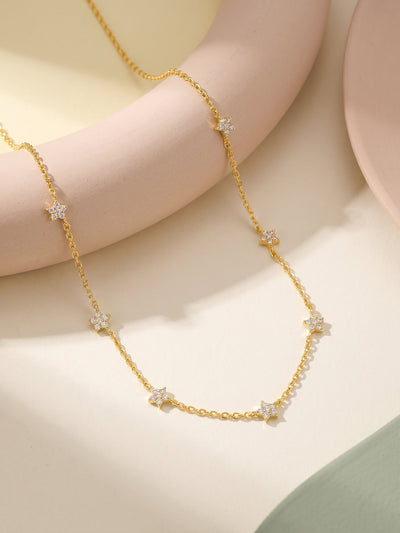
Golden Star Constellation Necklace
Regular price ₹2,999Sale price ₹2,999 Regular priceUnit price per₹5,499 -
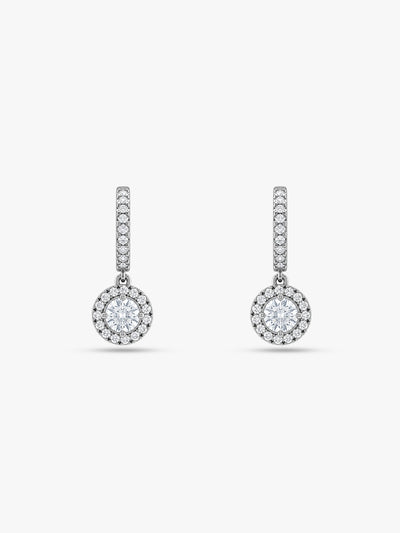
Silver Zircon Drizzle Drop Earrings
Regular price ₹3,499Sale price ₹3,499 Regular priceUnit price per₹5,499 -
Bestseller
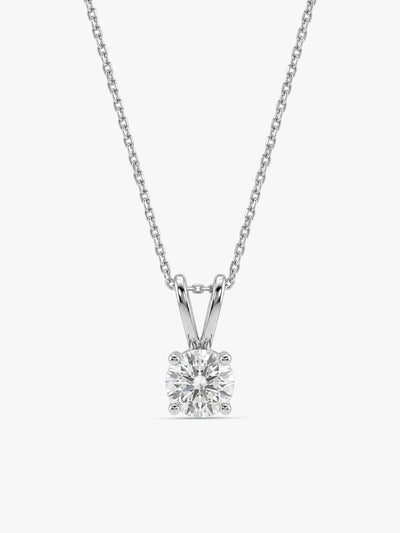
Silver Zircon Pendant with Link Chain
Regular price ₹2,999Sale price ₹2,999 Regular priceUnit price per₹5,799 -
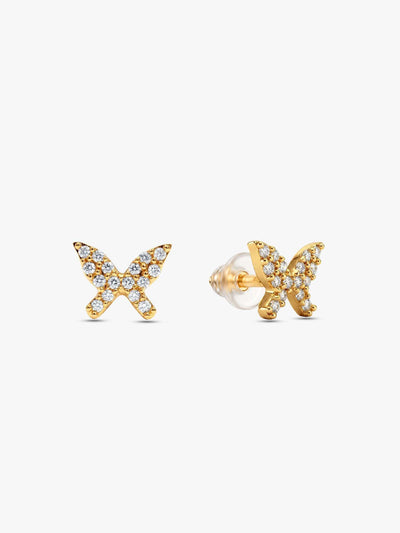
Golden Butterfly Tiny Studded Affair Earrings
Regular price ₹1,499Sale price ₹1,499 Regular priceUnit price per₹3,299
-
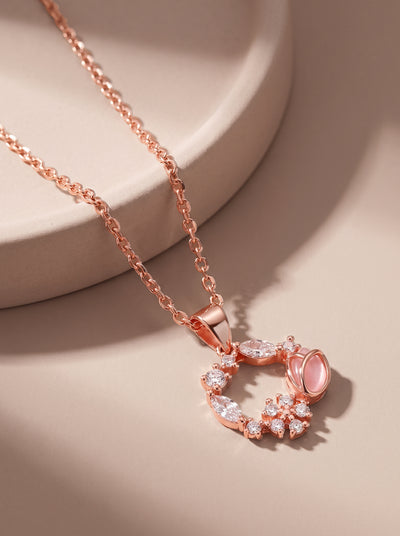
Rose Gold Drop Wreath Pendant With Link Chain
Regular price ₹1,999Sale price ₹1,999 Regular priceUnit price per₹5,799 -
Bestseller
-
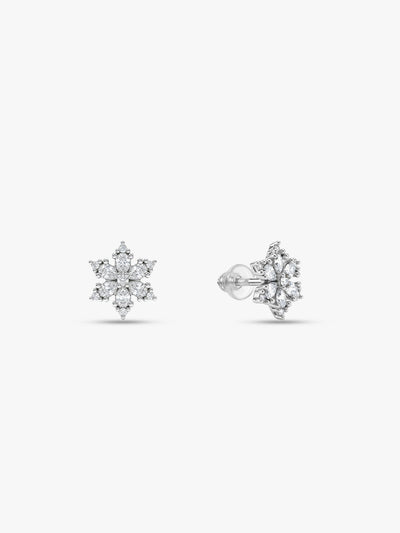
Silver Flowery Snowflake Studs
Regular price ₹1,999Sale price ₹1,999 Regular priceUnit price per₹3,799 -
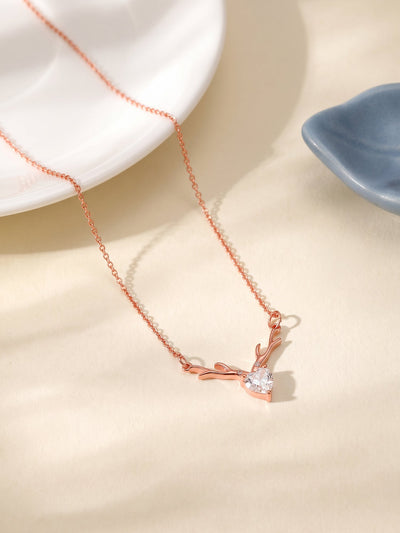
Rose Gold Deer Heart Necklace
Regular price ₹1,999Sale price ₹1,999 Regular priceUnit price per₹6,199



You May Also Like

Most of us have stood in front of the mirror with five bracelets in hand, unsure which ones belong together. Stacking looks effortless on other people, but it follows a...
Bracelet Stacking with Other Jewellery
Most of us have stood in front of the mirror with five bracelets in hand,...

Every festive season there’s that one box that comes out of the closet. In many Indian homes it contains heavy earrings, once the property of a mother or a bua,...
Kundan Jewellery by GIVA
Every festive season there’s that one box that comes out of the closet. In many...

Every woman has one piece of jewellery she never takes off. For many, it is a chain that goes on in the morning and stays through meetings, workouts, dinners, and...
10 Daily-Use Simple Gold Plated Chain Designs for Women: Lightweight and Elegant Styles
Every woman has one piece of jewellery she never takes off. For many, it is...

Every year around the first week of October, the same scene is repeated at home. Someone pulls out the lehenga trunk, someone realises the dupatta needs a fall stitched, the...
Navratri 2026: 9 Days with 9 Lehengas with the Best Oxidised Jewellery
Every year around the first week of October, the same scene is repeated at home....

Nose piercing in India has never been just decoration. It sits at the crossroads of ritual, region and now, quietly, rebellion. A nose pin used to be something you wore...
Silver Nose Ring Guide: Types, Designs, Styling & How to Choose the Right One
Nose piercing in India has never been just decoration. It sits at the crossroads of...

Ask any Indian mother about wedding jewellery and she won’t begin with the mangalsutra. She’ll ask if you’ve picked your bichiya. It’s one of those quiet decisions that gets made...
Marriage Silver Toe Ring Designs: Traditional Bichiya, Meaning and Modern Styles
Ask any Indian mother about wedding jewellery and she won’t begin with the mangalsutra. She’ll...
