


Lab-grown diamonds have emerged as a popular alternative to natural diamonds, offering ethical and sustainable benefits without compromising on quality or beauty. But how lab grown diamonds are made? In this blog, we’ll delve into the fascinating processes behind the creation of lab-grown diamonds, highlighting the advanced technology that makes them possible.
Read More: The Pros and Cons of Lab-Grown Diamonds
Read More: What Carat of Lab-Grown Diamond is Best?
Understanding Lab-Grown Diamonds
Lab-grown diamonds, also known as synthetic diamonds or cultured diamonds, are real diamonds created in controlled laboratory environments. They possess the same physical, chemical, and optical properties as natural diamonds. The primary difference lies in their origin: lab-grown diamonds are produced using advanced technological processes that replicate the conditions under which natural diamonds form in the Earth’s mantle.
Read More: Are Lab Grown Diamonds Worth Buying?
Methods of Creating Lab-Grown Diamonds

Side-by-side comparison of natural and lab-grown diamonds, showing their visual similarities
There are two main methods for creating lab-grown diamonds: High Pressure High Temperature (HPHT) and Chemical Vapor Deposition (CVD). Each method mimics natural diamond formation but utilizes different techniques.
High-Pressure High Temperature (HPHT)
The HPHT method was the first successful technique developed for creating lab-grown diamonds. It replicates the high pressure and high temperature conditions found deep within the Earth.
HPHT Process:
- Seed Diamond Placement: A small diamond seed, often a fragment of a natural diamond, is placed in a carbon source within a growth chamber.
- Applying Pressure and Temperature: The chamber is subjected to extremely high pressure (about 5-6 GPa) and high temperature (about 1,300-1,600°C).
- Carbon Melts and Crystallizes: Under these conditions, the carbon source melts and begins to crystallize on the seed diamond, forming a larger diamond over time.
- Cooling and Extraction: Once the desired size is achieved, the chamber is slowly cooled, and the newly formed diamond is extracted, cleaned, and polished.
Read More: A Comprehensive Buying Guide on Lab Grown Diamond?
Chemical Vapor Deposition (CVD)
The CVD method involves growing diamonds from a gas phase, allowing for greater control over the diamond’s properties and the ability to produce high-quality diamonds suitable for various applications.
CVD Process:
- Preparing the Seed Diamond: A thin slice of diamond, known as a seed, is placed in a vacuum chamber.
- Introducing Carbon-Rich Gas: The chamber is filled with a carbon-rich gas, such as methane, and heated to about 800-1,200°C.
- Creating Plasma: A microwave beam or other energy source is used to ionize the gas, creating a plasma that breaks down the gas molecules.
- Diamond Growth: Carbon atoms from the gas are deposited onto the seed diamond, building up layer by layer to form a larger diamond.
- Cooling and Finishing: Once the desired size is reached, the diamond is cooled, removed from the chamber, and undergoes further processing to enhance its quality.’
The Benefits of Lab-Grown Diamonds
Ethical and Sustainable
Lab-grown diamonds are an ethical choice, free from the environmental and social issues associated with diamond mining. They reduce the demand for mined diamonds, helping to alleviate problems such as conflict diamonds and ecological damage.
Read More: Lab Grown Diamond Jewellery as an Investment
Cost-Effective
Lab-grown diamonds typically cost 20-40% less than their natural counterparts, making them an attractive option for consumers seeking high-quality diamonds at more affordable prices.
Quality and Variety
Lab-grown diamonds offer excellent quality, often surpassing natural diamonds in terms of clarity and color. Additionally, they can be produced in various colors and customized to meet specific preferences.
Read More: Do Lab Grown Diamonds Hold Their Value?
Conclusion
Lab-grown diamonds are a marvel of modern technology, replicating the natural diamond formation process to create stunning gemstones that are ethically and environmentally responsible. Whether produced through the HPHT or CVD method, these diamonds offer a brilliant alternative to mined diamonds, providing the same beauty and durability without the associated ethical concerns. As technology continues to advance, lab-grown diamonds are set to play an increasingly significant role in the jewelry market, appealing to consumers who value both quality and sustainability.
Embrace the future of diamonds with lab-grown at GIVA that sparkle just as brilliantly while supporting a more ethical and sustainable world.-

-
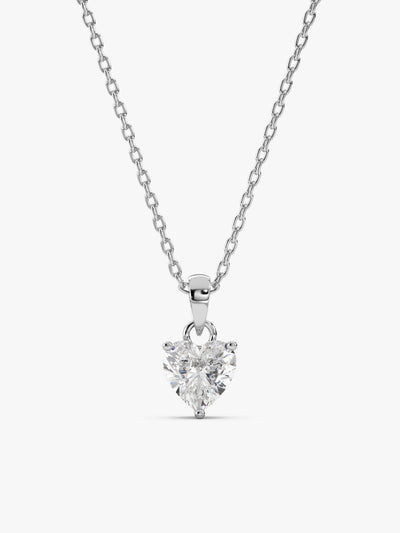
Silver Solitaire Heart Pendant with Link Chain
Regular price ₹1,999Sale price ₹1,999 Regular priceUnit price per₹5,799 -
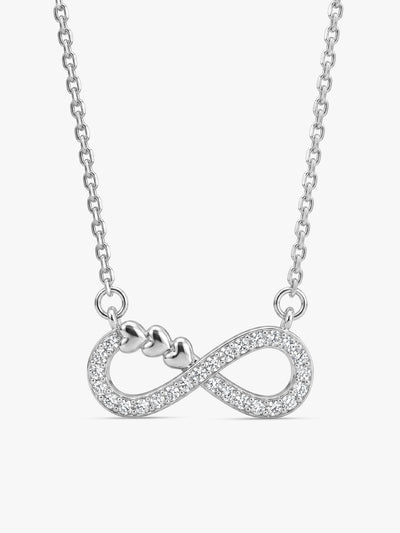
Silver Infinity Heart Necklace
Regular price ₹2,999Sale price ₹2,999 Regular priceUnit price per₹6,199 -
Bestseller
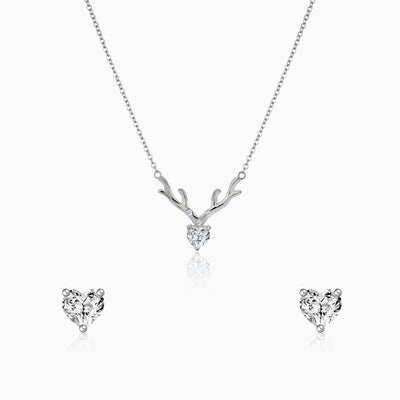
Silver Deer Solitaire Heart Set
Regular price ₹6,399Sale price ₹6,399 Regular priceUnit price per₹10,599
-
-
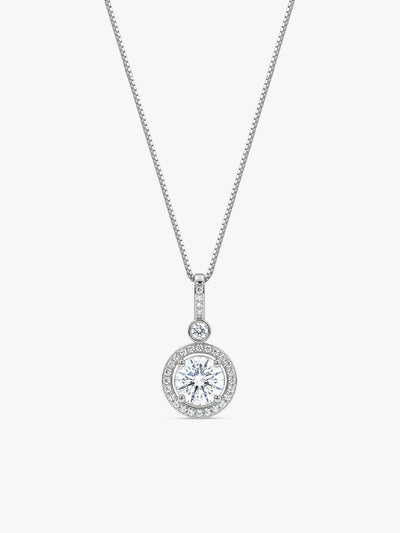
Silver Drizzle Drop Pendant with Box Chain
Regular price ₹2,999Sale price ₹2,999 Regular priceUnit price per₹6,199 -
Bestseller
-

Silver Pink Flower Mini Drop Earrings
Regular price ₹3,799Sale price ₹3,799 Regular priceUnit price per₹5,999




You May Also Like

A mangalsutra is more than jewellery. It’s a symbol of love, commitment and a bond that’s said to last a lifetime. Today, your mangalsutra can be as personal as the...
Gold Mangalsutra Designs: How to Choose a Modern, Traditional or Daily-Wear Style Mangalsutra
A mangalsutra is more than jewellery. It’s a symbol of love, commitment and a bond...

If you have ever stood at a jewellery counter and heard the words kangan and kangni being used almost interchangeably, you are not alone. Most Indian families use both terms...
Kangan vs. Kangni: What Is the Difference Between Kangan and Kangni?
If you have ever stood at a jewellery counter and heard the words kangan and...

A gold kada for ladies is a solid gold band mostly unbroken and worn on the wrist. It has more of a cuff feel than the thin bangles. It has...
Gold Kada for Women: Designs, Styles, Weight & How to Choose
A gold kada for ladies is a solid gold band mostly unbroken and worn on...

You already know that not every gold earring design for female wear is meant for the same moment if you have ever stood in front of your jewellery box wondering...
Gold Earring Designs for Women: Choosing the Right Style for Every Occasion
You already know that not every gold earring design for female wear is meant for...

There is a reason why almost every Indian woman’s jewellery box has at least one pair of gold tops tucked into a corner, even if she has fifty other things....
Top 12 Gold Tops for Women: Designs for Daily, Office and Festive Wear
There is a reason why almost every Indian woman’s jewellery box has at least one...

Go into any jewellery shop in India during the wedding season and you will see it. Two counters next to each other. One with temple motifs and filigree work passed...
Latest Indian Gold Jewellery Designs: Traditional Heritage Meets Modern Style
Go into any jewellery shop in India during the wedding season and you will see...
