Kids’ jewellery sits in a different category from adult jewellery, and not just because the pieces are cuter. A ring or bracelet that's perfectly safe for an adult can be a genuine hazard for a young child, so material, size and construction all matter more here than style alone.
This guide covers what to actually look for when buying jewellery for a child, broken down by safety, comfort, age, and style, so the piece you choose is one they can wear without worry.
Table of Contents
- Why Safety Matters for Kids Jewellery
- What Makes Jewellery Safe: Materials to Look For
- Choosing Jewellery by Age Group
- Comfort and Fit Considerations
- Choosing Stylish Options Kids Will Actually Wear
- Kids Jewellery Designs
- Choosing Jewellery by Gender
- A Note On Ear Piercing
- Child Safety Tips for Kids Jewellery
- Caring for and Storing Kids Jewellery
- Why GIVA Kids Jewellery Are Worth The Investment
- Final Thoughts
- Frequently Asked Questions
Why Safety Matters for Kids Jewellery
A thoughtful piece of jewellery for kids can be a treasured keepsake or a symbol of love and tradition. For parents, choosing kids jewellery sets means balancing style, sentiment, and above all, safety.
And when it comes to safety, two risks come up more with kids jewellery than with any other jewellery: choking and skin reactions. Small parts, such as loose beads, detachable charms, or tiny clasps, pose a real swallowing and choking risk for babies and toddlers, which is why safety standards for kids jewellery specifically test for small, detachable components in addition to the usual mechanical and chemical checks.
Skin reactions are the other common issue, usually caused by nickel or other base metals used in cheap costume jewellery, which can trigger redness, itching or a rash on sensitive young skin, particularly with anything worn for long periods like rings or earrings.
There's also a heavy-metal risk that's specific to poor-quality kids jewellery. Some low-cost pieces, particularly older or unregulated ones, have been found to contain lead or cadmium in the base metal, both of which are genuinely dangerous if a child mouths or swallows the item accidentally.
This is exactly why regulated markets set strict limits on these substances in anything marketed for children, and why buying from a reputable brand matters more here than with almost any other kind of jewellery.
What Makes Jewellery Safe: Materials to Look For
Not all kids jewellery is created equal. Safety should be the top priority when selecting pieces for children. Here’s what to look for:
|
Look For |
Avoid |
|
Sterling silver (925), or other industry-grade, certified base metal |
Unmarked "silver-tone" or "gold-tone" base metal alloys |
|
Nickel-free findings and clasps |
Nickel-plated posts or clasps, a common cause of skin reactions |
|
Lead-free and cadmium-free construction |
Cheap novelty jewellery with no material disclosure |
|
Smooth, rounded edges and finished clasps |
Sharp prongs, rough solder points, or exposed wire ends |
Jewellery for kids should non-negotiably meet recognised safety specifications covering both chemical content (capping how much lead, cadmium and nickel a piece can contain or release) and mechanical hazards such as small parts and sharp edges.
It's worth looking for this kind of compliance information on the product listing. Reputable brands tend to state it clearly, and its absence is worth treating as a caution sign rather than an oversight.
Choosing Jewellery by Age Group

Silver Foxy Kids Pendant with Link Chain
Babies and Toddlers (0-3 years)
This is the age range where the choking risk is highest, so the safest approach is to keep jewellery minimal. If kids earrings are worn, small, secure, screw-back or safety-back studs in a hypoallergenic metal are the safer option over dangling styles that a baby could grab and pull.
Necklaces and bracelets with small beads or detachable charms are best avoided entirely at this age, and any jewellery on a very young child should only be worn under direct supervision, never during sleep or unsupervised play.
Young Children (4-8 years)
Children in this range can usually wear simple stud earrings, stretch bracelets, and lightweight necklaces without much added risk, though extremely tiny pieces and long dangling designs are still worth avoiding, since kids this age are active and jewellery that can snag on playground equipment or clothing is a genuine risk.
Stretch cord bracelets and simple pendant necklaces on a break-away clasp are popular choices because they're comfortable and low-maintenance, along with being play-friendly. Just focus on minimal, supervised use of kids jewellery, and only invest in materials that are hypoallergenic metals such as 925 silver. Especially for kids silver jewellery.
Older Children and Tweens (9-12 years)
This is typically when kids start expressing more of their own taste from a range of kids jewellery designs. Modified rings, charm necklaces, and a wider range of earring styles all become reasonable options.
Material safety still matters just as much as it did at a younger age, but the main shift at this stage is that the child can better communicate irritation or discomfort, which makes it easier to catch a reaction early.
Read More: Silver Jewellery for Babies and Kids: Complete Safety Guide - GIVA
Comfort and Fit Considerations
Comfort is crucial for kids jewellery. Here are some tips:
- Adjustable sizing: Children's hands, wrists, and ears change quickly, so adjustable rings, extendable bracelet chains, and lightweight designs stay comfortable for longer than fixed sizes.
- Weight: Lighter pieces are more comfortable for children to wear all day long, and are less likely to be fidgeted with out of sensory overload .
- Closures: Find secure, easy-to-handle clasps. Spring rings can pinch small fingers; screw-back closures are safer and more comfortable.
Choose Jewellery by Style
Once you've settled on safe materials, the next question is simply which type of piece suits your child, since kids' jewellery now covers a lot more ground than traditional studs alone. Modern kids jewellery should balance safety and style. Popular choices include:
- Stud earrings do remain the most common starting point, especially for younger children, both because of cultural traditions and because they sit close to the ear and have little to catch or pull on.
- Charm bracelets and simple bangles are popular for slightly older kids, often built around a theme they already love, such as animals, hearts, or stars, with an adjustable clasp to account for a growing wrist.
- Pendant necklaces and simple chains work well once a child is old enough to reliably leave jewellery alone rather than tugging at it, and a shorter chain length reduces the chance of snagging during play.
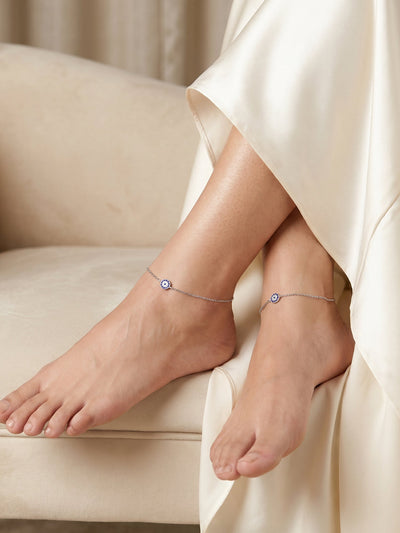
- Anklets have always been a staple in kids jewellery. Owing to many of our cultural practices,they remain a popular choice for festivals and special occasions.
- Rings are usually the trickiest category for kids, simply because finger size changes fastest of all, so an adjustable band is worth prioritising over a fixed size.
- Nowadays, most kids jewellery collections are built around playful, recognisable motifs rather than the understated silver designs adults tend to prefer, and that's by design. A charm bracelet with a favourite animal or a simple star stud does two jobs at once: it passes the safety checks above, and it's something a child will actually want to keep wearing rather than losing interest in within a week.
Involving children in the selection process ensures they love what they wear, making jewellery for kids, girls and boys, more than just an accessory. More and more parents are becoming conscious about being child-centric while selecting what their kid will wear. We say the best stylists in this case (after all the safety checks) are kiddos themselves!
Kids Jewellery Designs
Today’s kids jewellery designs are vibrant, playful, and offer more variety than ever before. When selecting kids jewellery, both parents and children can explore a wonderful range of options that cater to every personality and occasion. Here are some of the most popular trends in jewellery for kids:
Animal Motifs:
Animal-themed kids jewellery remains a favourite for children of all ages. From adorable elephant pendants to playful puppy charms and butterfly earrings, these designs add a sense of fun and wonder. Many kids jewellery sets incorporate animal motifs, making them delightful gifts for birthdays or special occasions.
Floral Motifs:
Flowers never go out of style, and jewellery for kids girls often features delicate floral patterns. From dainty silver flower studs to gold-plated floral bracelets, floral jewellery brings a touch of elegance and innocence, making them ideal for everyday wear or festive celebrations.
Food Motifs:
For children who love all things quirky, food-themed kids jewellery is a big hit. Think of cupcake-shaped earrings, ice cream pendant necklaces, or fruit-inspired charms. These playful designs add a splash of colour and personality to any kids jewellery set, making them perfect for kids who enjoy showing off their unique style.
Fantasy Characters:
Many children adore fantasy characters from their favourite stories and cartoons. Modern kids jewellery designs now include unicorns, fairies, superheroes, and more. These magical motifs often appear in kids silver jewellery and jewellery for kids girls, allowing children to carry a bit of their imagination wherever they go.
Traditional Silver Jewellery for Kids:
Classic silver jewellery for kids is timeless and continues to be popular, especially for cultural or religious events. Think of traditional anklets, engraved bangles, and simple silver chains. These pieces are often chosen for their hypoallergenic properties and durability, ensuring that the kids silver jewellery remains both safe and stylish.
Traditional Gold Jewellery for Kids:
Gold jewellery for kids is a cherished gift in many families, especially during festivals, religious ceremonies, or milestones like birthdays and naming ceremonies. Traditional gold jewellery for kids might include small rings, pendants, or delicate bracelets, all designed to be both beautiful and comfortable for everyday wear. Many families pass down kids gold jewellery as heirlooms, making these pieces deeply meaningful.
The wide array of kids jewellery designs available today means that every child can find something that resonates with their personality and preferences. Whether it’s a playful animal motif, a delicate floral pattern, or a piece of classic kids gold jewellery, there’s something perfect for every occasion and every child.
If your daughter is turning 14 and you want the best birthday gift for her, check out our silver earrings collection. We have more than 400+ designs; pick the best GIVA earrings now.
Choosing Jewellery by Gender
While most kids jewellery is unisex and suitable for everyone, certain kids jewellery designs tend to be more popular depending on gender. Recognising these preferences can help you choose pieces that children will love and cherish.
Jewellery for kids girls:
When selecting jewellery for girls, floral motifs, hearts, stars, and delicate chains are especially popular. Many kids jewellery set options for girls include coordinated earrings, necklaces, and bracelets adorned with these sweet and whimsical details. Fashionable silver jewellery for kids and cute gold jewellery for kids are often chosen for their timeless appeal and gentle look. These styles make lovely gifts for birthdays, festivals, or special family events.
Jewellery for boys:
For those looking for jewellery for boys, animal-themed pendants, simple bands, and sports motifs are often the preferred choices. Boys might gravitate towards bolder kids jewellery designs such as sturdy chains, chunky rings, or pendants shaped like their favourite animals or sports equipment. Both silver jewellery for kids and gold jewellery for kids are great choices for boys, offering durability and a classic appearance that matches their adventurous spirit.
Above all, it is important to let children make their own choices when it comes to their jewellery. Allowing them to select their favourite pieces, authentically, whether from a dedicated kids jewellery set or individual items they gravitate towards, nurtures independence, confidence, and personal expression.
This ensures that every child finds something that feels both comfortable and uniquely their own.
If your kid is growing up and you want to gift them something special to celebrate their milestones, you can consider choosing from our wide range of suitable gifts for her or for him.
A Note on Ear Piercing
There's no agreed "right age" to pierce a child's ears, and recommendations vary between paediatricians and cultures. What matters most regardless of age is that it's done with sterile, single-use equipment by a trained professional, and that the initial earrings are a hypoallergenic metal such as surgical steel, sterling silver or some other skin-safe metal, to reduce the chance of infection or reaction while the piercing heals.
If you're considering piercing a baby's or young child's ears, it's worth a quick conversation with your paediatrician first, since they can advise based on your child's individual health history.
Read More: Sensitive Ears? Choose 925 Sterling Silver Kids Earrings - GIVA
Child Safety Tips for Kids Jewellery
Safe jewellery still needs a few sensible habits behind it. Keep an eye on the skin around any piece worn for extended periods, since even hypoallergenic metals can occasionally cause irritation, and take note if a child starts scratching at or avoiding a piece they normally like.
Check clasps and closures every so often rather than assuming they'll stay secure forever, since regular play, bath time, and general handling loosen things faster on kids' jewellery than on an adult's.
Jewellery should come off before swimming and bathing, since standing water and soap residue speed up wear and increase the chance of a clasp slipping open.
Ideally, it should also come off before bed for younger children, since sleep is when unsupervised tugging or a stray loose part getting swallowed becomes a risk factor.
Most pre-schools and schools also ask that rings, bracelets, and dangling earrings stay off for PE and sports. Many even prefer to restrict the wearing of such accessories altogether. In such a case, a jewellery rotation can be strictly weekends-only, giving your kid something to look forward to in terms of their personal expression.
Maintaining safety for kids doesn’t need to be complicated. Building a simple daily routine covers most of it, and it has the added benefit of teaching a child to the art of taking care of their own belongings.
Caring for and Storing Kids Jewellery

Gentle on Skin, Big on Fun
- Store pieces somewhere out of reach of younger siblings, not just the child wearing them.
- Remove jewellery before swimming, bathing, or sleeping to reduce both wear and choking risk.
- Wipe pieces down with a soft cloth periodically, and check clasps and closures regularly since kids jewellery takes more daily wear and tear than an adult's.
- Replace anything showing signs of a loose clasp, sharp edge, or peeling plating rather than trying to repair it.
Why GIVA Kids Jewellery Are Worth the Investment
Kids Jewellery Online | Latest Designs for Kids - GIVA
If you'd rather shop from a dedicated brand than piece options together from several, GIVA is worth a look for children's silver jewellery. The line is made in 925 sterling silver, which keeps it hypoallergenic and puts it firmly in the safe material category covered earlier in this guide.
Our designs lean into what kids actually respond to, from the Mascot Collection's animal charms to hearts, stars, and playful pendants, spread across rings, bracelets, anklets, earrings, and necklaces, so there's enough range to match a child's own taste rather than settling for whatever's available. Our clasps and closures are built to be adjustable and secure, which matters given how quickly a child's wrist or finger size changes.
On the practical side, GIVA backs its jewellery with a straightforward return policy and a warranty period, plus BIS-hallmarked credibility. For parents who want safe-first items without compromising on style, our combination of material, range, and after-purchase support is what makes the line worth the investment.
Final Thoughts
Choosing jewellery for a child comes down to the same four checks every time:
- Is the material safe?
- Does it fit comfortably?
- Is the construction sturdy enough to handle a child's day
- Is the style something my kids would actually look forward to wearing?
If you’re shopping at GIVA, there's no shortage of safe, well-made designs that your little one will love big-time.
Frequently Asked Questions about Kids Jewellery
How to choose jewellery for kids?
When choosing kids jewellery, prioritise safety, comfort and age-appropriate designs. Look for well-made pieces with secure clasps, smooth edges and no loose or easily detachable parts. For everyday wear, silver jewellery for kids or good quality gold plating are practical options. Choose the size carefully too, especially for rings, bracelets and necklaces, so the piece fits comfortably without being too tight or loose.
What jewellery is safe for children?
Safe jewellery for kids should be made from skin-friendly materials and have secure closures, smooth finishes and sturdy construction. Kids silver jewellery made from genuine sterling silver and kids gold jewellery are commonly chosen options. Avoid pieces with sharp edges, loose stones, long chains or small detachable charms, particularly for younger children.
What type of jewellery is best for kids?
The best kids jewellery depends on the child's age and how they plan to wear it. Simple studs with secure backings, lightweight bracelets, small pendants and properly fitted rings can work well for older children. If you're shopping for jewellery for kids girls, look for comfortable kids jewellery designs that are easy to put on and remove without compromising safety. For a coordinated look, a kids jewellery set can also be a convenient option, as long as every piece is age-appropriate and securely made.
What age can a child start wearing jewellery?
Children can start wearing safe, lightweight jewellery right from age 0! Pieces crafted specifically for infants (0–1 years) and toddlers (1–3 years), such as smooth sterling silver anklets and adjustable bracelets, are perfectly safe when worn under adult supervision. As kids reach age 4 and up, they can explore broader collections like stud earrings, rings, and pendant chains for daily wear.
What metal is safest for kids jewellery?
Sterling silver, surgical stainless steel, and gold are the most commonly recommended options, since they're nickel-free (or very low in nickel) and less likely to trigger a skin reaction than cheap costume alloys.
Is sterling silver safe for kids?
Yes, genuine sterling silver is one of the safer and more affordable options for kids jewellery, provided the piece is well-made, correctly sized, and free of loose or small detachable parts.
Should I allow my kid to wear jewellery during sports?
Nope. For sport, physical education or rough play in the playground, all jewellery must be removed. Necklaces and bracelets can get caught on equipment or other players, and impact can embed earrings in the skin. If you are doing something physical, safe storage of fine silver or gold pieces will keep you from accidental injury and will keep the jewellery from damage or loss.
Can kids sleep with jewellery?
As a best practice, remove all the jewellery before bed. Remove necklaces, bracelets and rings to reduce the risk of entanglement and to allow delicate skin to breathe overnight. If your child is going to wear earrings all the time, make sure they have rounded, protective backings, but taking them out now and then will help keep the ears clean and the earrings in good condition.
What is the safest type of earring backing for children?
Screw-backs and flat safety backs ( safety clutch backs) are the gold standard for children's earrings. A screw-back threads securely onto the post, making it virtually impossible for small hands to accidentally pull off or swallow. Flat safety backs also cap the sharp tip of the post, preventing it from poking into sensitive skin behind the ear during movement.
-
-
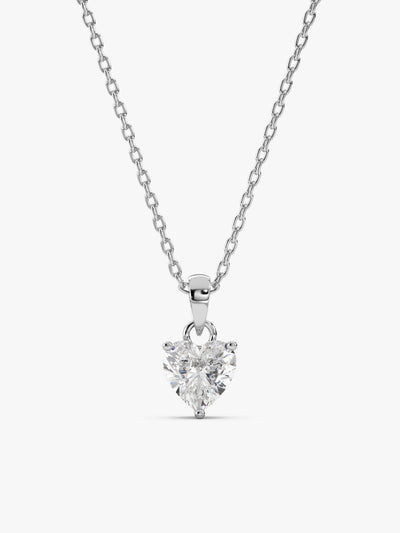
Silver Solitaire Heart Pendant with Link Chain
Regular price ₹1,999Sale price ₹1,999 Regular priceUnit price per₹5,799 -
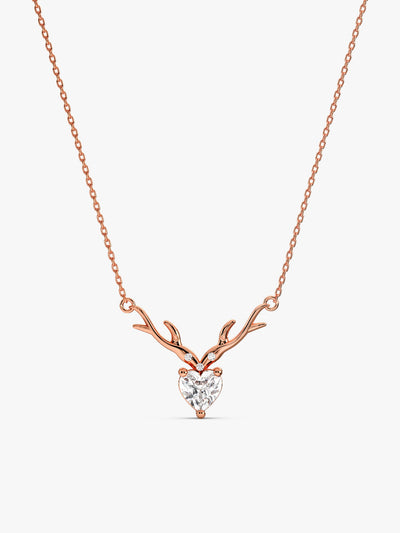
Rose Gold Deer Heart Necklace
Regular price ₹1,999Sale price ₹1,999 Regular priceUnit price per₹6,199 -
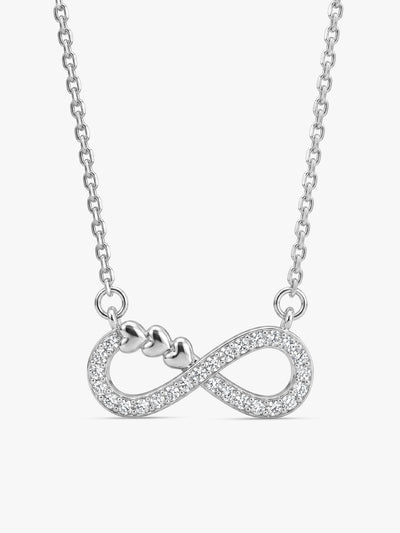
Silver Infinity Heart Necklace
Regular price ₹2,999Sale price ₹2,999 Regular priceUnit price per₹6,199
-
Bestseller
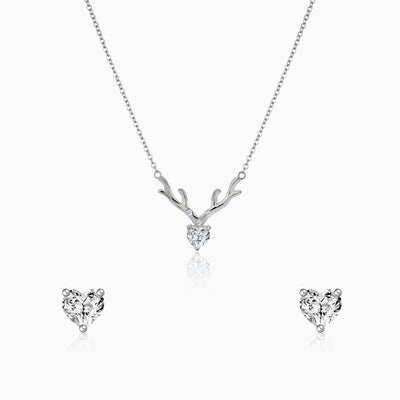
Silver Deer Solitaire Heart Set
Regular price ₹6,399Sale price ₹6,399 Regular priceUnit price per₹10,599 -
-
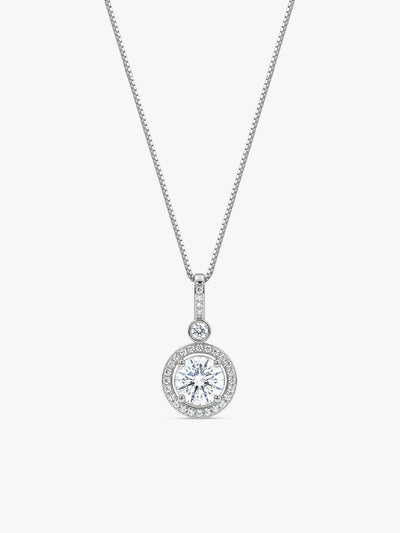
Silver Drizzle Drop Pendant with Box Chain
Regular price ₹2,999Sale price ₹2,999 Regular priceUnit price per₹6,199 -
Bestseller